

Too many Nigerian business owners see the Nigeria Data Protection Act (NDPA) 2023 as just another costly compliance hurdle. They view the strengthened data protection regulations in Nigeria for 2026 as a threat, a set of punitive rules designed to catch them out. This is a fundamental misreading of the landscape. The NDPA isn’t a punishment; it’s the long-overdue foundation for Nigeria’s digital future. For businesses that adapt, these regulations are a powerful tool for building trust, attracting investment, and achieving a significant competitive advantage in the global market.

The Real Cost Isn’t Compliance, It’s Ignorance
Many executives are fixated on the potential fines under the NDPA. The Act stipulates significant penalties: for Data Controllers of Major Importance, the fine is the greater of ₦10 million or 2% of annual gross revenue from the preceding year. For others, it’s the greater of ₦2 million or 2% of the previous year’s gross revenue. While these numbers grab headlines, they obscure a much larger financial risk: the cost of customer distrust. A 2023 global survey by Cisco revealed that 79% of consumers are concerned about how companies are using their data. Failing to protect data isn’t just a legal risk; it’s a direct threat to your revenue as customers vote with their wallets.
We see this firsthand when advising public and private companies. Those who proactively build privacy into their products from the ground up find it much easier to scale and partner internationally. Trying to bolt on compliance after a data breach is like trying to install a foundation after the house has been built, it is expensive and structurally unsound.
Sector-Specific Preparedness for 2026
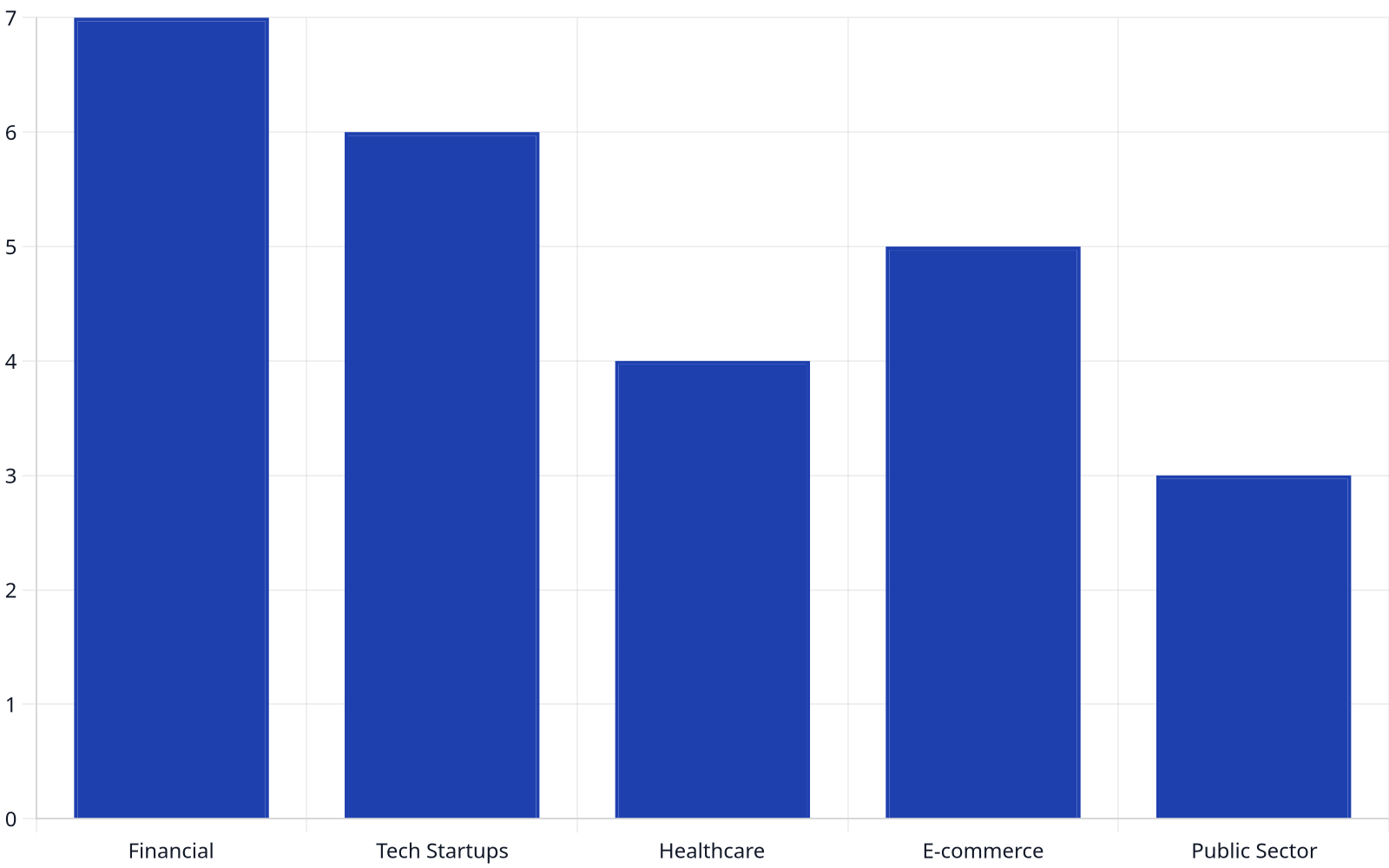
Different sectors face different levels of exposure. Fintech, e-commerce, and healthcare are on the front lines, handling vast amounts of Sensitive Personal Data daily. For these industries, the NDPA’s requirements around data processing impact, lawful basis for processing, and cross-border data transfer are not optional extras. They are core business functions. Our work with both Nigerian and foreign investors shows a clear trend: due diligence now heavily scrutinizes data governance frameworks. A weak privacy posture is a major red flag that can derail funding or acquisition talks. The NDPA simply codifies what savvy investors have known for years.
The NDPA isn’t a set of rules to be memorized and forgotten. It is a new business philosophy for the digital age: treat customer data with the same respect you treat your most valuable physical assets.
Understanding the nuanced requirements is critical. For instance, the rules governing how to handle data for a customer in Lagos might differ from those for a customer in London, even if the transaction happens on the same Nigerian platform. The Act aligns Nigeria more closely with global standards like the GDPR, making Nigerian businesses more attractive partners for international firms that demand robust data protection guarantees. This alignment is not a burden; it’s a bridge to the global economy. As a law firm that advises governments and businesses, we’ve seen how regulatory alignment can unlock new markets.
The Economic Impact of Enhanced Data Protection
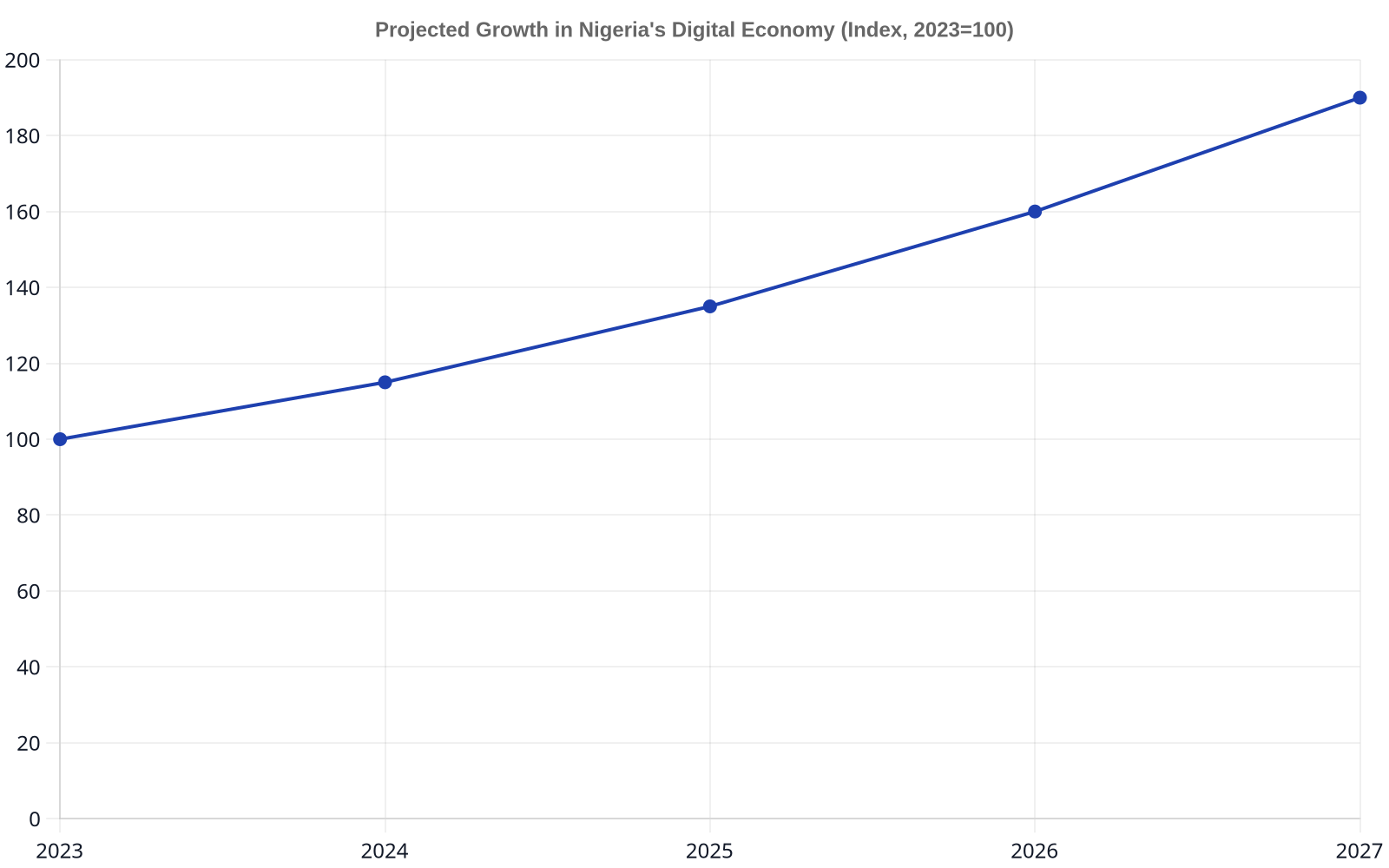
Viewing the NDPA solely through the lens of cost is short-sighted. Strong data protection is a powerful economic catalyst. Emphasizes the link between trust in the digital environment and economic growth. When consumers trust businesses with their data, they are more willing to engage in e-commerce, use digital payment systems, and adopt new technologies. This creates a virtuous cycle: more digital activity generates more data, which, when used responsibly, fuels innovation and personalized services, further boosting the economy. The goal is to drive digitalization as a key economic pillar. The NDPA is a critical enabler of that strategy.

Acknowledging the Challenge: The Implementation Gap
Of course, embracing this new framework isn’t without its challenges. The primary counterargument isn’t that data protection is bad, but that implementation is hard, especially for Small and Medium-sized Enterprises (SMEs). Many SMEs lack dedicated legal or IT departments and may struggle to interpret the Act’s provisions and implement the necessary technical and organizational measures. The requirement to appoint a Data Protection Officer (DPO), conduct Data Protection Impact Assessments (DPIAs), and maintain detailed processing records can seem overwhelming.
This is a valid concern. The Nigeria Data Protection Commission (NDPC) has acknowledged this by focusing on awareness and capacity building. However, the solution isn’t to ignore the law. The risk of non-compliance, including reputational damage and financial penalties, is too great. Instead, SMEs should seek scalable, cost-effective legal and technical guidance. It’s more affordable than you might think to get a basic compliance framework in place, certainly more affordable than a 2% turnover fine. For instance, our experience across Nigeria shows that a phased approach, starting with a data map and a privacy policy, can make compliance manageable.
The question for Nigerian businesses in 2026 is no longer if they should protect data, but how well they can use their commitment to data protection as a competitive advantage.
Ultimately, the NDPA forces a necessary evolution. It pushes businesses to be more deliberate, more transparent, and more customer-centric in how they handle data. Companies that resist will be left behind, seen as untrustworthy relics of a bygone era. But those that embrace the change won’t just achieve compliance; they will build more resilient, more profitable, and more respected businesses for the future.
Ready to turn data protection regulations from a liability into an asset? Ardnas Legal can help you navigate the NDPA and build a compliance framework that fosters trust and drives growth. Contact us today for a consultation.
FAQ
What is the main purpose of the Nigeria Data Protection Act (NDPA) 2023?
The main purpose of the NDPA 2023 is to establish a clear legal framework for the protection of personal data in Nigeria. It aims to safeguard the rights of individuals regarding their personal information, regulate the processing of this data, and promote trust in Nigeria’s digital economy by aligning with global standards.
Who does the NDPA apply to?
The Act applies to any organization or individual that processes the personal data of Nigerian citizens and residents, regardless of whether the processing happens within or outside Nigeria. This includes businesses of all sizes, government agencies, non-profits, and any entity that collects, stores, or uses personal data.
What is considered “personal data” under the NDPA?
Under the NDPA, personal data is any information that can be used to identify a living individual. This includes obvious identifiers like a name, ID number, location data, or an online identifier (like an IP address). It also covers factors specific to the physical, physiological, genetic, mental, economic, cultural, or social identity of that person.
What are the main penalties for non-compliance with the NDPA?
Costs and outcomes vary widely by scope. Ask providers for figures specific to your situation.
Do I need to appoint a Data Protection Officer (DPO)?
The Act requires Data Controllers of Major Importance to designate a Data Protection Officer (DPO) with expert knowledge of data protection law and practices. The DPO can be an internal staff member or an external consultant. The NDPC provides guidance on which organizations fall into this category, but any business processing significant amounts of data should consider it best practice.
What is a Data Protection Impact Assessment (DPIA)?
A DPIA is a systematic process to identify and minimize the risks associated with processing personal data, particularly for new projects or technologies. it is a key part of your accountability obligations. The NDPA mandates that a DPIA be conducted when data processing is likely to result in a high risk to the rights and freedoms of individuals.
Related reading
About the author

Sandra Adeniran
Principal Partner
Adebola Adeniran is the Founding Partner of Ardnas Legal Practitioners. She is a dynamic and forward-thinking lawyer with a passion for providing innovative legal solutions to businesses and individuals. Adebola combines deep legal expertise with a practical, business-oriented approach, ensuring that clients receive advice that is both strategic and actionable.