

How Much Does a Litigation Lawyer in Africa Cost? A 2026 Breakdown
Thinking that litigation costs are a simple, fixed menu of prices is a mistake many businesses make when entering new African markets. There is no single “litigation lawyer Africa cost.” Instead, you find a complex landscape where fees are shaped by jurisdiction, case complexity, and the lawyer’s experience. The final cost of litigation is determined by factors including hourly rates, contingency fees, retainers, and success fees, which can vary from 2% to 30% of the claim value. Understanding these components is the first step to budgeting for a legal dispute in any African country.
This article breaks down the primary models for legal billing in litigation across Africa. The ranking and analysis are based on a review of fee structures discussed in cross-border legal guides, insights from our work with international clients and foreign law firms, and an analysis of jurisdictional billing guidelines where available. We are evaluating these models not on which is “cheapest” but on which provides the most predictability and value for the client.

Factors Influencing Litigation Costs in Africa
1. Hourly Rates
The most traditional billing method is the hourly rate. Here, the law firm bills the client for every hour (or portion of an hour) that lawyers and paralegals spend on a case. This includes everything from legal research and drafting documents to court appearances and client meetings.
In major commercial hubs like Lagos, Johannesburg, or Nairobi, hourly rates for a senior litigation partner can range from $400 to over $1,000 USD. Associates might bill between $150 and $400 per hour. While this model is transparent in tracking time, it is notoriously unpredictable. A simple-looking case can spiral in complexity, leading to invoices that far exceed the initial budget. The lack of a cost ceiling is its biggest drawback.
- Best for: Complex, unpredictable cases where the scope of work is impossible to define upfront. It is also common for large corporations with dedicated legal budgets.
- Watch out for: “Bill padding” and inefficiency. Clients should insist on detailed, itemized invoices and pre-approve significant time expenditures. Without a cap, costs can become unmanageable.
- A 2022 survey by the African Legal Network (ALN) highlighted that clients are increasingly demanding more certainty and value, pushing firms to explore alternatives to the billable hour.

Comparing Litigation Costs Across African Regions
2. Fixed or Flat Fees
As a direct response to the uncertainty of hourly billing, fixed or flat fees are gaining popularity. For a specific, well-defined legal task, the lawyer charges a single, predetermined amount. This is common for routine matters like filing a trademark, drafting a standard contract, or handling the initial stages of a lawsuit.
For instance, our firm often provides fixed-fee arrangements for services like conducting due diligence on a property or handling the full process of registering a trademark in Nigeria. This gives the client absolute cost certainty. The risk of inefficiency is shifted from the client to the law firm. If the work takes longer than expected, the firm absorbs the loss. This model encourages lawyers to be efficient and use technology to streamline their processes.
- Best for: Standardized, predictable legal tasks and procedures. Startups and SMEs on tight budgets particularly benefit from this model.
- Watch out for: Scope creep. The initial agreement must precisely define what services are included. Any work outside that scope will incur extra charges, often at a premium.
- The push for fixed fees aligns with global trends. A Clio Legal Trends Report noted that 85% of clients prefer fixed fees over hourly rates when given the option.
The best legal fee structure isn’t the cheapest one on paper. It’s the one that aligns the law firm’s incentives with the client’s desired outcome.
3. Retainers
Retainer agreements come in several forms. A classic retainer is an upfront fee paid to secure the law firm’s availability over a period. This fee may or may not be applied to future hourly charges. A more common model in Nigeria and other African countries is a retainer that acts as a deposit or down payment for legal services.
The firm places the retainer in a trust account and bills against it (usually on an hourly basis) as work is performed. For example, a client might pay a $10,000 retainer to initiate a commercial litigation case. As the firm incurs, say, $3,000 in fees in the first month, that amount is withdrawn from the retainer. The client is often required to replenish the retainer once it falls below a certain threshold.
- Best for: Clients who need ongoing legal support or want to secure a specific law firm for a significant, upcoming legal matter.
- Watch out for: Unused funds. Clients must clarify whether any unused portion of the retainer is refundable. Some “non-refundable” retainers are effectively just an engagement fee.
- In jurisdictions like South Africa, the Legal Practice Act 28 of 2014 imposes strict rules on how attorneys must handle client funds held in trust, providing a layer of protection.

4. Contingency Fees (Conditional Fee Agreements)
Contingency fees, also known as “no-win, no-fee” arrangements, are permitted in several African jurisdictions, including South Africa and, in a modified form, Nigeria. Under this model, the lawyer’s fee is contingent on the successful outcome of the case. If the case is lost, the client pays no legal fees (though they may still be liable for court costs and the other party’s expenses). If the case is won, the lawyer takes a pre-agreed percentage of the monetary award or settlement.
This model is a powerful tool for access to justice, allowing plaintiffs without significant funds to pursue meritorious claims. In Nigeria, while pure contingency fees are sometimes frowned upon for being champertous, variations like “success fees” are common in debt recovery and certain commercial claims. For example, a lawyer might take on a debt recovery case for a reduced upfront fee plus a 10-20% success fee on the amount recovered.
- Best for: Claimants in high-value disputes (like personal injury, debt recovery, or commercial claims) who lack the upfront capital for fees.
- Watch out for: Regulation and caps. In South Africa, the Contingency Fees Act caps the lawyer’s fee at 25% of the award or double their normal hourly fee, whichever is less. Always understand the legal limits in your jurisdiction.
- The International Bar Association’s guide on contingency fees provides a global overview, showing the widespread but highly regulated nature of these agreements.
Don’t just ask a lawyer for their rate. Ask how their fee structure creates efficiency, predictability, and a shared definition of success.
5. Blended and Hybrid Models
Recognizing that no single model is perfect, many firms now offer blended or hybrid fee structures. These combine elements of the models above to tailor the arrangement to the client and the case. This flexibility is particularly useful in complex, multi-stage litigation.
A common hybrid model involves a reduced hourly rate combined with a success fee. For example, a firm might offer a 25% discount on its standard hourly rates, but with a 10% success fee payable if the litigation is successful. This shares the risk between the client and the law firm. It lowers the client’s upfront cost while giving the firm a stake in the outcome, aligning incentives. Another hybrid model might use fixed fees for predictable phases of litigation (e.g., pleadings) and switch to hourly rates for unpredictable phases (e.g., trial).
- Best for: Sophisticated clients and complex cases where risk-sharing is desirable. As a firm that works with many foreign law firms and investors, we often find these tailored solutions provide the best balance.
- Watch out for: Complexity in the agreement. The fee agreement itself can become a complex legal document. Ensure every component, trigger, and percentage is clearly defined to avoid disputes later.
Summary of Litigation Fee Structures
| Fee Model | Best For | Key Consideration |
|---|---|---|
| Hourly Rate | Highly complex, unpredictable cases | Lack of cost predictability; potential for inefficiency. |
| Fixed Fee | Standardized, routine legal tasks | Scope must be precisely defined to avoid extra costs. |
| Retainer | Ongoing legal needs; securing a firm | Understand if the retainer is a deposit or a true engagement fee. |
| Contingency Fee | High-value claims with limited client funds | Regulated differently in each country; caps may apply. |
| Blended/Hybrid | Risk-sharing in complex litigation | The fee agreement itself can be complex; requires clarity. |
FAQ
What is the average litigation lawyer Africa cost?
There is no “average” cost. The final cost depends on the billing model, the case’s complexity, and the lawyer’s experience.
Are contingency fees legal in Nigeria?
Pure “no-win, no-fee” arrangements where the lawyer takes a percentage of the judgment are technically considered champertous and against public policy for most litigation. However, variations are common and permissible, particularly “success fees” in cases like debt recovery. These are often structured as a reduced upfront fee with a bonus payable upon a successful outcome, which is legally distinct.
What other costs are involved in litigation besides lawyer fees?
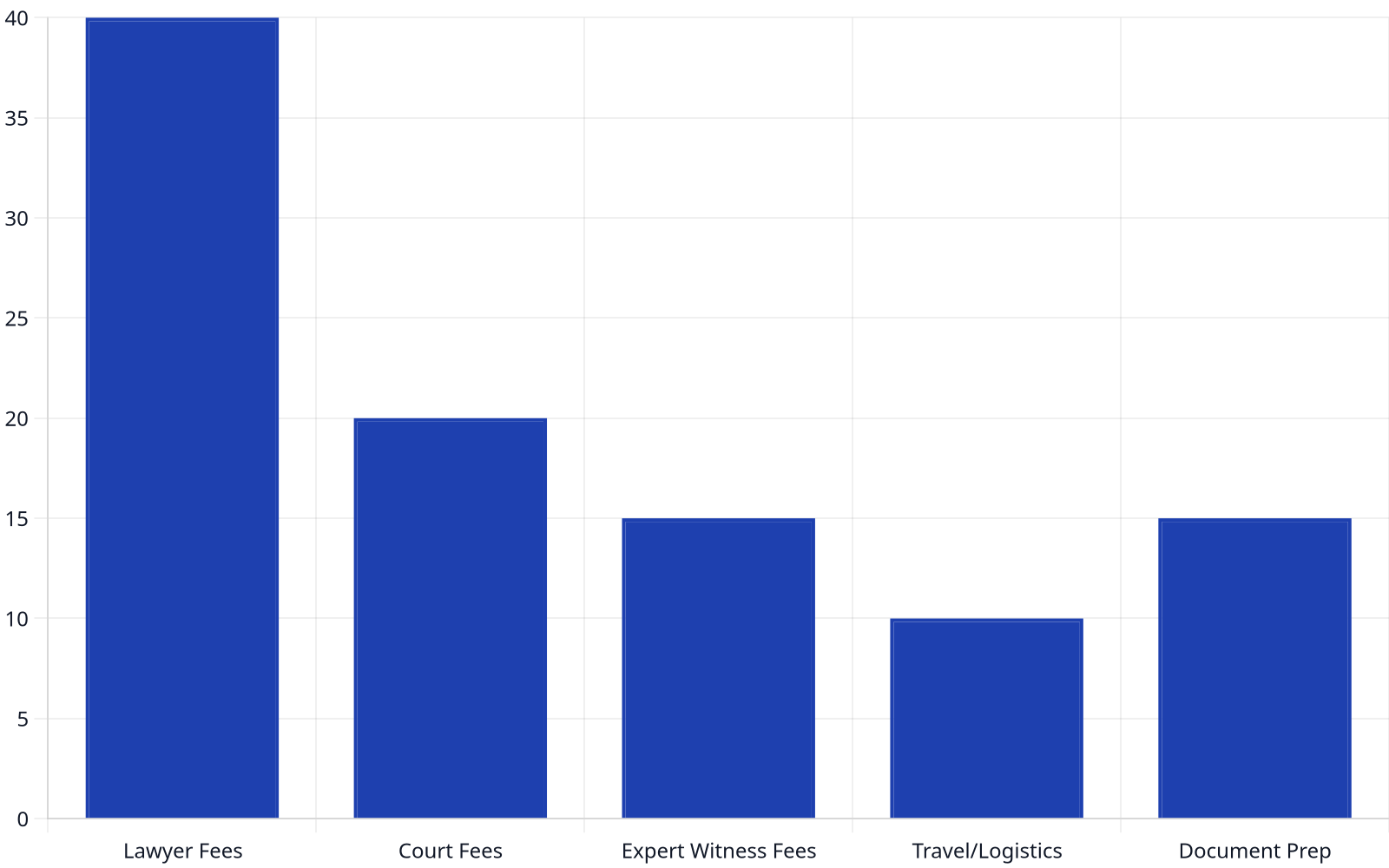
Legal fees are only one part of the cost. You must also budget for court filing fees, fees for serving documents, expert witness fees (which can be substantial), travel expenses, and administrative costs. In many African jurisdictions, you may also be liable for the other party’s legal costs if you lose the case.
How can I control my legal costs in Africa?
Start by having a frank discussion about fees with your lawyer. Request a detailed fee agreement and a budget. For predictable tasks, insist on a fixed fee. For hourly work, ask for detailed invoices and set a budget cap that cannot be exceeded without your prior approval. Exploring dispute resolution options options before filing a lawsuit can also be a significant cost-saver.
Is the most expensive lawyer the best?
A high hourly rate can be an indicator of experience and expertise, but it is not a guarantee of success or value. A less expensive lawyer who is more efficient or a specialist in a niche area, like the Intellectual Property & Technology law services we provide, may deliver a better result at a lower overall cost. Look for a lawyer whose fee structure aligns with your goals, not just the one with the highest price tag.
Why do costs vary so much between African countries?
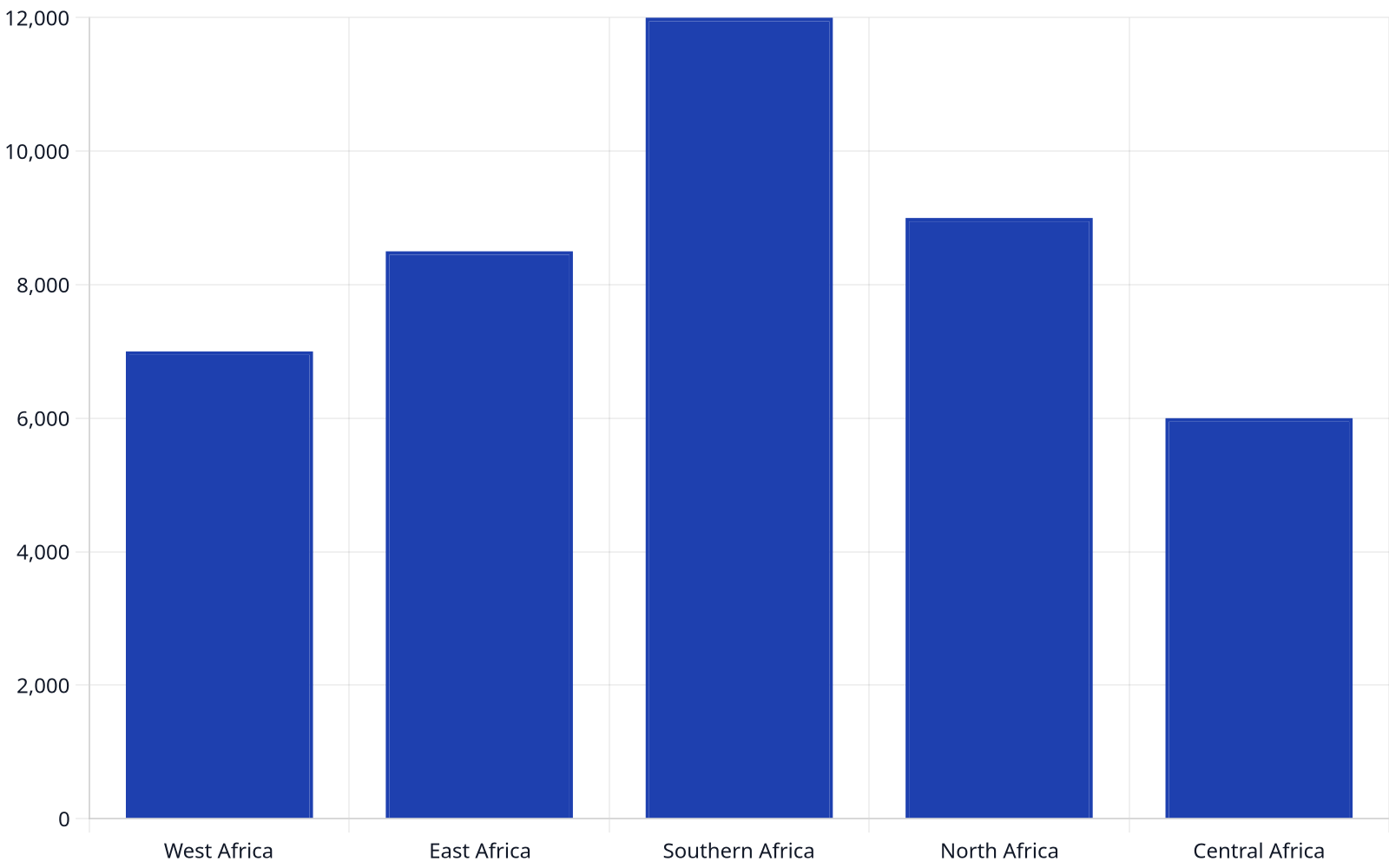
Costs are influenced by the local economy, the maturity of the legal market, the level of regulation, and the complexity of the legal system. A commercial dispute in a highly regulated, common law jurisdiction like South Africa will almost certainly have a different cost profile than a similar dispute in a civil law jurisdiction with a developing legal framework.
About the author

Sandra Adeniran
Principal Partner
Adebola Adeniran is the Founding Partner of Ardnas Legal Practitioners. She is a dynamic and forward-thinking lawyer with a passion for providing innovative legal solutions to businesses and individuals. Adebola combines deep legal expertise with a practical, business-oriented approach, ensuring that clients receive advice that is both strategic and actionable.