

Many businesses see Africa as a single market for intellectual property. This is a costly mistake. The continent is a mosaic of 54 countries with distinct, and sometimes conflicting, IP regimes. Finding the right intellectual property lawyer in Africa requires understanding this complex legal landscape. It isn’t about finding one lawyer for the whole continent; it’s about building a strategy with a firm that grasps the nuances from Lagos to Nairobi, as demonstrated by how a specialized property law firm saved a lagos deal. This guide provides a step-by-step process for identifying and vetting the right IP counsel to protect your assets across various African jurisdictions.
By the end of this article, you will have a clear framework for selecting an IP lawyer in Africa, understanding the key questions to ask, and recognizing the red flags to avoid. This process will help you secure competent, well-timed legal solutions for your patents, trademarks, and copyrights.

Prerequisites
Before you begin your search, gather the following:
- A Clear Inventory of Your IP: What exactly are you trying to protect? Is it a patent for a new technology, a trademark for your brand name and logo, a design for a product, or copyright for creative work? Be specific.
- Your Commercial Strategy: Which African countries are your priority markets? Are you manufacturing in one, selling in another, and licensing in a third? Your legal strategy must follow your business plan.
- A Defined Budget: Understand the potential costs. IP protection is not a one-time fee; it involves filing fees, maintenance fees, and potential litigation costs. Have a realistic budget allocated for legal services.
- Basic Knowledge of IP Types: Familiarize yourself with the main categories of IP: patents (for inventions), trademarks (for brands), industrial designs (for appearance), and copyright (for creative works like software and books).
Step 1: Understand the African IP Landscape
Your first action isn’t to Google “lawyers.” It’s to understand the playground. Africa has two main regional IP organizations and numerous national ones. The African Regional Intellectual Property Organization (ARIPO) primarily serves English-speaking countries, while the Organisation Africaine de la Propriété Intellectuelle (OAPI) covers French-speaking nations. OAPI operates as a single filing system; one registration covers all 17 member states. ARIPO allows you to designate specific countries within your application. Nigeria, a key economic hub, is not a member of either for filing purposes and has its own robust national IP office.
This distinction is critical. A lawyer based in an OAPI country may have limited direct experience with filing in Nigeria or South Africa. As a firm operating in Nigeria, we frequently collaborate with a network of attorneys in other jurisdictions, including through arrangements with foreign law firms, to provide seamless protection across these disparate systems.
Step 2: Differentiate Between IP Filing and IP Litigation Specialists
Not all IP lawyers do the same work. Some are “prosecution” or “filing” specialists who focus on registering your IP with the correct authorities. They are masters of paperwork, deadlines, and administrative procedure. Others are “litigation” specialists who enforce your rights in court when an infringement occurs.
For a new market entrant, your first need is typically a filing specialist. However, a full-service firm that handles both the protection and litigation of intellectual property rights can be a significant asset. They can advise you on creating a trademark or patent application that is more defensible in court later on. Ask potential lawyers what percentage of their practice is dedicated to filing versus litigation.
Don’t just ask a lawyer if they “do IP.” Ask them how many trademarks they filed in Nigeria last year, or to describe their last major patent litigation case. Specifics separate practitioners from dabblers.
Step 3: Identify Potential Lawyers and Firms
With a clearer picture of your needs, you can start identifying candidates. Look beyond simple search engine results.
- Professional Directories: Organizations like the World Intellectual Property Organization (WIPO) offer databases of IP agents. In South Africa, the South African Institute of Intellectual Property Law (SAIIPL) is a key professional body for IP attorneys. These organizations often have searchable member directories.
- Legal Rankings: Publications like Chambers and Partners or Legal 500 provide tiered rankings of law firms by specialty and country. These can be a good starting point but shouldn’t be your only source.
- Industry Referrals: Ask for recommendations from other businesses or legal counsel in your home country who have experience in Africa. Our work with foreign law firms often stems from these established professional relationships.
- Government Trade Bodies: Your home country’s embassy or chamber of commerce in an African nation can often provide a list of vetted local law firms.

Step 4: Conduct Initial Vetting and Create a Shortlist
Once you have a list of 5-10 potential firms, perform an initial screen. Review their websites. Do they have a dedicated IP practice? Are the lawyers’ profiles detailed, showing specific experience? Look for thought leadership: articles, white papers, and speaking engagements that demonstrate deep expertise.
A key consideration is the firm’s experience with clients like you. Are they a large firm that primarily serves multinational corporations, or do they have experience supporting SMEs and startups? Their client list or case studies can provide clues. As a firm that provides a full range of legal services in intellectual property & technology law, we tailor our approach to everyone from individual innovators to large public companies.
Filter your list down to 2-4 top candidates for more in-depth interviews.
Step 5: Ask the Right Questions During Consultation
This is the most critical step. During your initial consultation (which may or may not be free), you need to assess not just competence but also communication style and business acumen. Here are the essential questions to ask any potential intellectual property lawyer in Africa:
- “What is your direct experience in [Your Target Country/Region]?” A general “Africa” answer is a red flag. They should speak specifically about their experience with the Nigerian IP Office, ARIPO, or OAPI.
- “Based on my product/service, what are the biggest IP risks you see in this market?” This tests their commercial awareness. A good lawyer will immediately think about common issues like counterfeiting, cybersquatting, or challenges with patentability for certain technologies in that jurisdiction.
- “Can you walk me through the entire registration process for a trademark in Nigeria?” They should be able to explain the steps, typical timeline, and required documentation without hesitation.
- “How do you structure your fees?” Get a clear understanding of their billing. Do they use fixed fees for standard filings? What is their hourly rate for advisory work or litigation? Ask for a detailed cost estimate for your initial registration work.
- “Who will be my primary point of contact?” Will you be working with the senior partner you’re speaking with or a junior associate? Both are fine, but you need to know who is managing your file day-to-day.
- “How do you handle multi-country filings?” If your strategy involves multiple African countries, probe their process. Do they have partner firms? How do they ensure quality and manage communication across jurisdictions?
Step 6: Evaluate the Proposals and Make a Decision
After your consultations, you should receive proposals or engagement letters from your shortlisted candidates. Don’t just compare the bottom-line price. Evaluate them based on:
- Clarity and Thoroughness: Did they clearly understand your request and provide a detailed scope of work? Or is the proposal vague?
- Value: The cheapest option is rarely the best in legal services. Consider the experience of the team, the depth of their advice, and their understanding of your business. An IP filing is a long-term asset; skimping on counsel upfront can lead to much higher costs in the future. The European Commission noted that promoting effective use of IP for SMEs is a major goal, and proper legal guidance is central to that.
- Responsiveness and Professionalism: How was the process of getting the proposal? Were they timely and easy to communicate with? This is often indicative of their future service level.
Choosing an IP firm isn’t a one-off transaction. You are starting a long-term relationship. The right firm becomes a strategic partner that grows with your business in Africa.
Troubleshooting Common Issues
Finding an IP lawyer in Africa can have its challenges. Here’s how to handle them:
- Lack of Transparency on Costs: If a firm is hesitant to provide a clear fee structure or an estimate, be wary. While unforeseen issues can arise, a competent firm should be able to estimate costs for standard procedures like trademark filings. Fixed-fee arrangements are common for this work.
- Slow Communication: Legal processes in any country can be slow, but your lawyer shouldn’t be. If you struggle to get responses during the vetting process, it’s unlikely to improve once you are a client. Set clear expectations for communication frequency from the start.
- One-Size-Fits-All Advice: Be cautious of lawyers who provide generic advice without asking detailed questions about your business. Protecting a pharmaceutical patent in Kenya is vastly different from registering a software trademark in Ghana. Quality advice is always tailored.
Further reading
- world intellectual property day
- promoting effective use of ip
- open science practices
- Intellectual property enforcement
FAQ
What are the main types of intellectual property in Africa?
The main types are consistent with global standards: Patents for inventions, Trademarks for brand names and logos, Industrial Designs for the ornamental look of a product, and Copyright for original literary, artistic, and scientific works. Some jurisdictions also have specific protections for plant varieties and traditional knowledge.
How much does it cost to register a trademark in Africa?
Costs vary significantly by country. A single filing in one country might cost a few hundred to a couple of thousand dollars, including legal fees. A regional filing through OAPI or ARIPO can be more cost-effective if you need protection in multiple member states. Always request a detailed quote from your lawyer that separates official fees from professional fees.
Can I file for IP protection in Africa myself?
While technically possible in some jurisdictions, it is highly inadvisable. IP laws are complex, and procedural errors can lead to a complete loss of rights. Many countries, including Nigeria, require a local agent or lawyer for foreign applicants. The risks of DIY filing far outweigh the potential cost savings.
How long does IP protection last in Africa?
This depends on the type of IP and the country. Generally, trademarks are renewable every 10 years indefinitely. Patents typically last for 20 years from the filing date, provided maintenance fees are paid. Copyright generally lasts for the life of the author plus 50 or 70 years, depending on national law.
What is the difference between ARIPO and OAPI?
ARIPO (African Regional Intellectual Property Organization) and OAPI (Organisation Africaine de la Propriété Intellectuelle) are the two main regional IP bodies. OAPI covers 17 mostly French-speaking West and Central African nations and operates a unitary system; one filing covers all members. ARIPO covers 22 mostly English-speaking countries and allows applicants to designate which member countries they want coverage in.
How do I enforce my IP rights if they are infringed?
Enforcement is typically handled through civil litigation in the courts of the country where the infringement occurred. You can seek injunctions to stop the infringing activity, seizure of counterfeit goods, and monetary damages. In some countries, criminal proceedings are also an option. An experienced IP litigation lawyer is essential for this process.
Protecting your intellectual property is fundamental to your success in the vibrant and growing markets across Africa. By following a structured, diligent process to find the right legal partner, you move beyond guesswork and secure a foundation for your brand and innovations to thrive. If you have questions about protecting your IP in Nigeria or other African markets, our team is ready to provide the specific, actionable advice you need. Contact Ardnas Legal today for a consultation.
Related reading
About the author
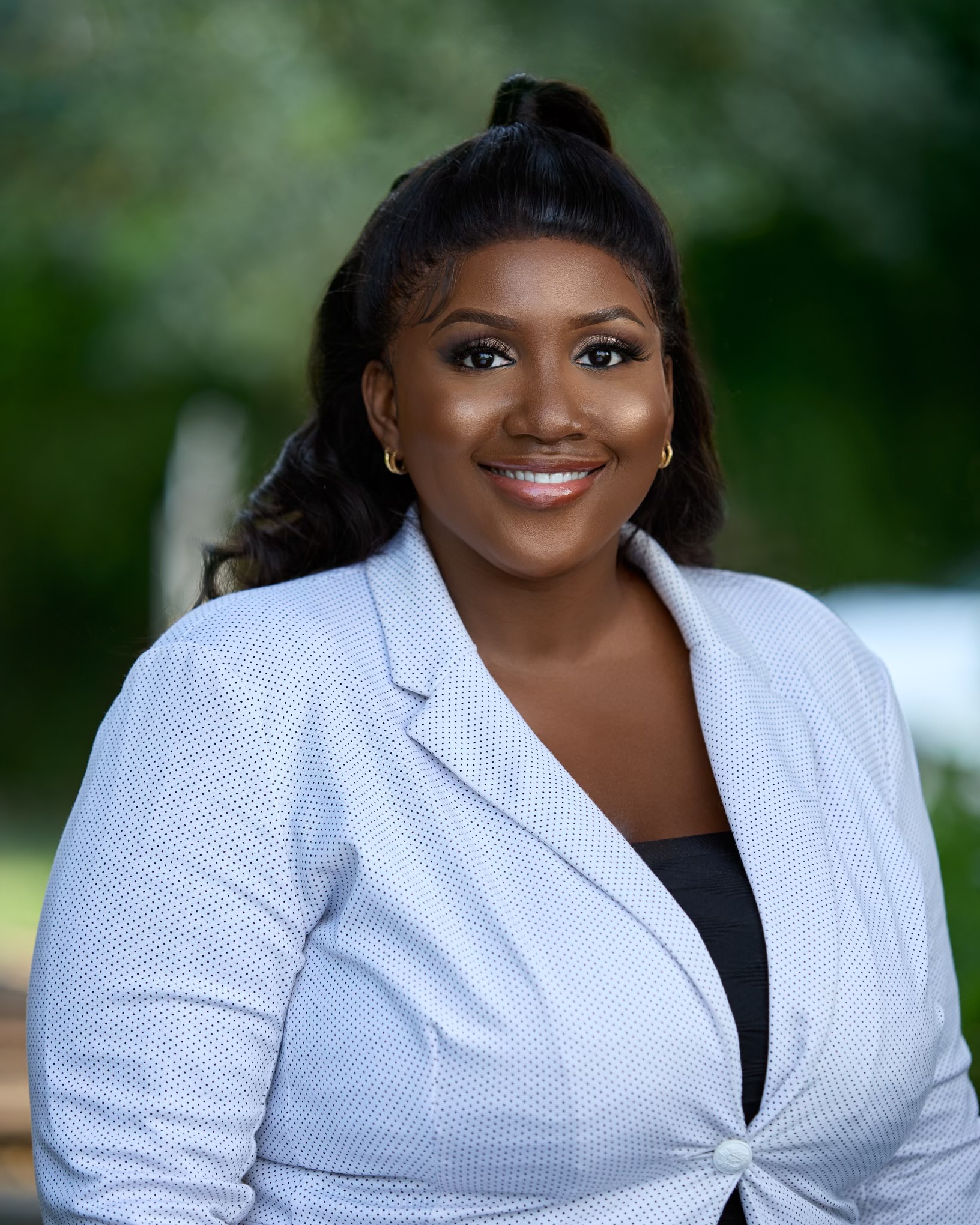
Sandra Adeniran
Principal Partner
Adebola Adeniran is the Founding Partner of Ardnas Legal Practitioners. She is a dynamic and forward-thinking lawyer with a passion for providing innovative legal solutions to businesses and individuals. Adebola combines deep legal expertise with a practical, business-oriented approach, ensuring that clients receive advice that is both strategic and actionable.