
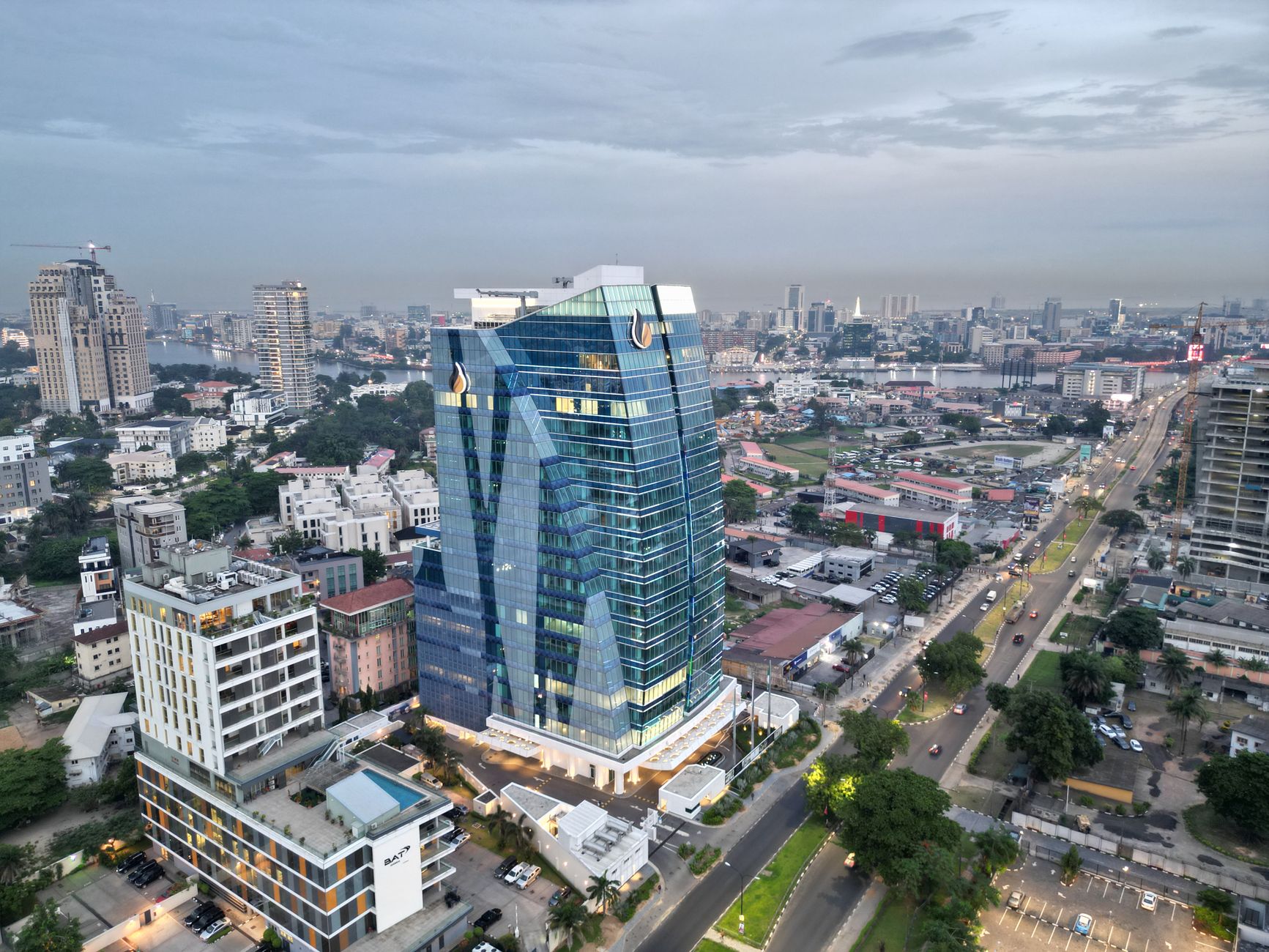
What happens when a foreign investor, poised to inject ₦2 billion into a Lagos commercial real estate project, discovers a critical title defect just weeks before closing? They seek a property law firm Africa consultation to navigate the murky waters of Nigerian land law. This isn’t theoretical; it was the exact scenario a European investment group faced, a situation that threatened to derail their entire market entry strategy. With our guidance, the client successfully rectified the title, restructured the deal, and closed the acquisition within 45 days, preventing a total loss of their initial investment and securing the high-yield asset.
Client Background: A European Fund’s Nigerian Ambition
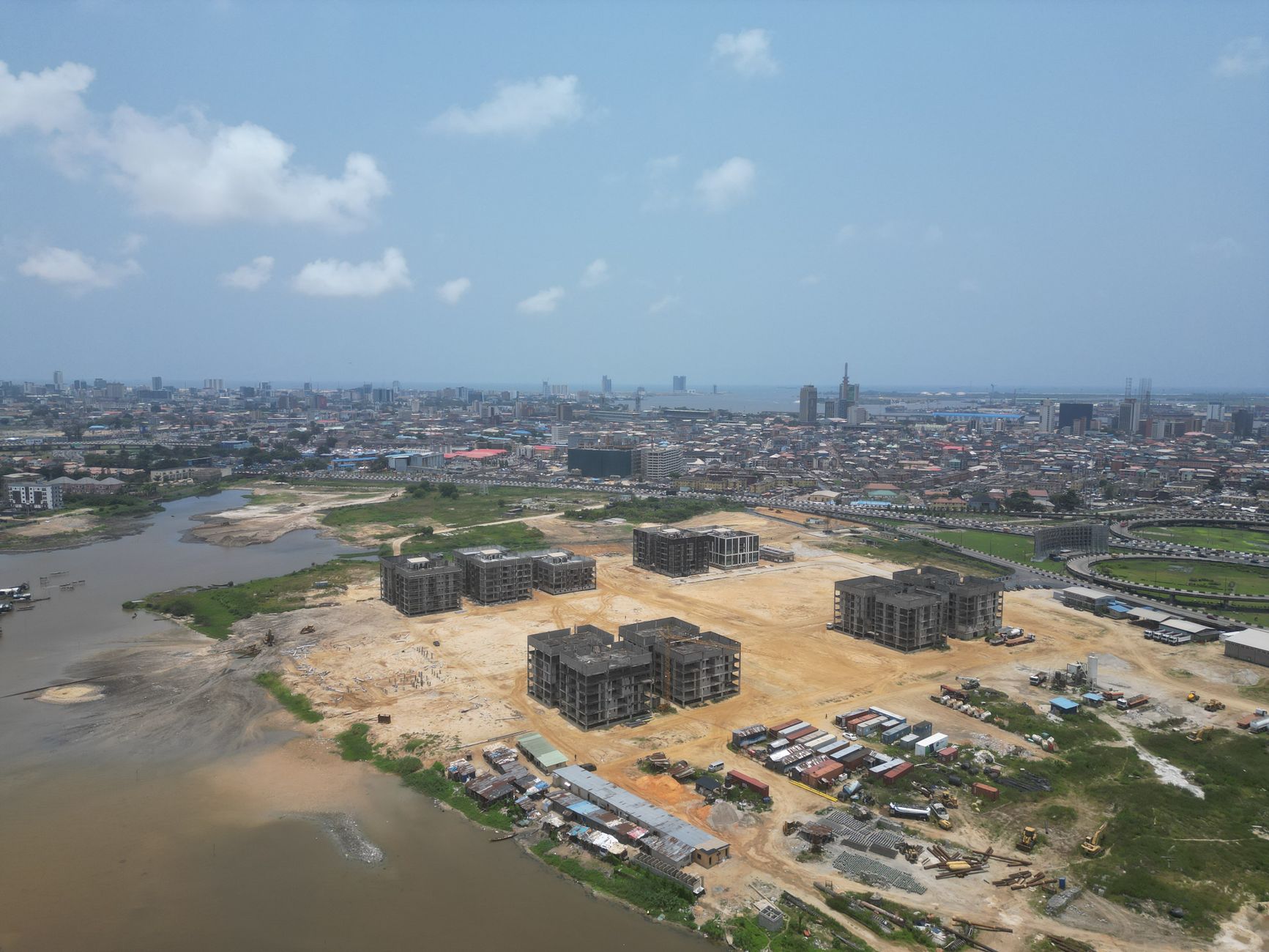
Our client was a mid-sized European investment fund specializing in emerging market real estate. They had identified a prime commercial property in Ikoyi, Lagos, as their first acquisition in Africa. The goal was to redevelop the site into a mixed-use facility, capitalizing on the city’s strong rental yields. They had already engaged local agents and conducted initial financial due diligence. The transaction, valued at approximately ₦2 billion, was on a fast track.
However, their initial legal advisors, a firm without deep specialization in Nigerian property law, had overlooked several red flags. The fund’s directors, though experienced in other markets, were unfamiliar with the specifics of the Land Use Act of 1978 and the critical role of a Governor’s Consent. They approached Ardnas Legal on the recommendation of one of our existing clients, an international consultancy firm, when their initial due diligence report came back with inconsistencies they couldn’t decipher.
The Real Estate Market in Nigeria and Africa
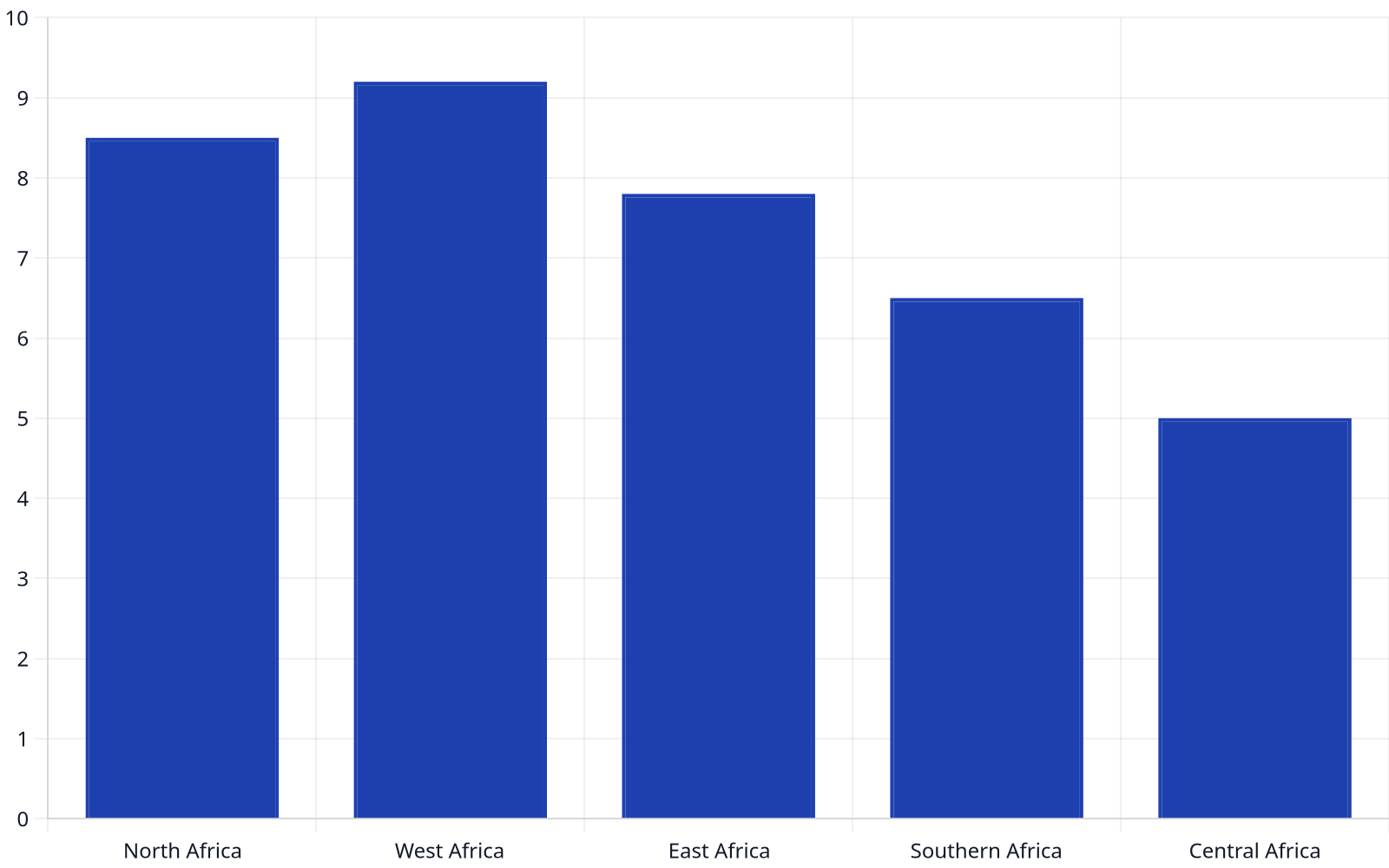
Understanding the client’s urgency requires a look at the market they were entering. The African real estate market is on a significant upward trajectory. According to a report from PwC, the potential for growth is immense, with a rapidly urbanizing population driving demand for residential, commercial, and industrial properties. Nigeria, as one of the continent’s largest economies, is at the forefront of this boom. The demand for Grade-A office and retail space in cities like Lagos continues to outstrip supply, creating a competitive environment for investors.
However, this opportunity is paired with significant legal complexity. The World Bank’s Doing Business reports have consistently highlighted the challenges of registering property in Nigeria, ranking it 186th out of 190 economies in their final 2020 report. This underscores the absolute necessity of expert legal guidance.

Common Challenges in African Property Law
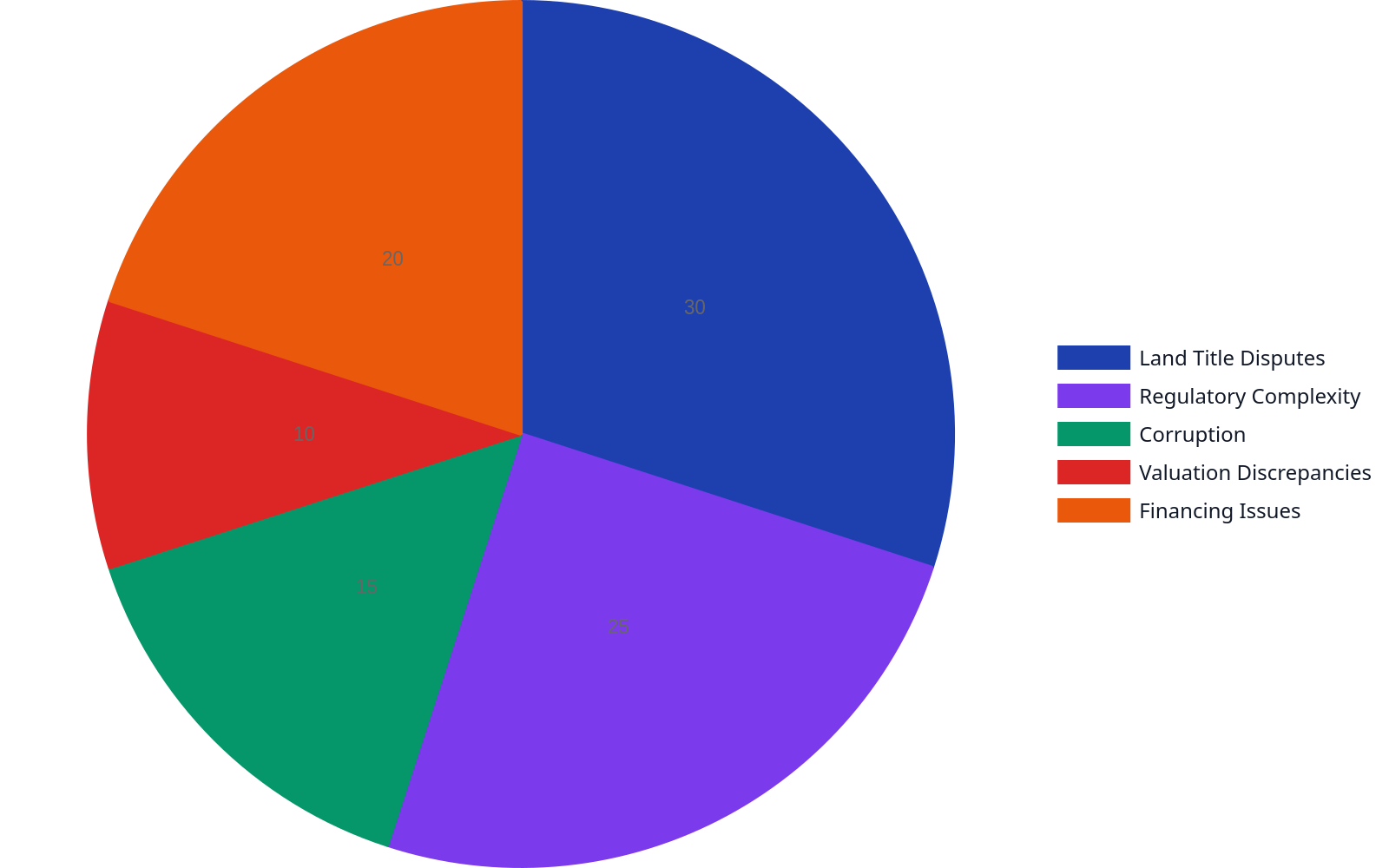
The fund’s predicament was a classic example of the pitfalls awaiting uninformed investors. The primary issue was a defective chain of title. The seller had presented a Deed of Assignment, but our review revealed that a prior transfer had not received the requisite Governor’s Consent, as mandated by Section 22 of the Land Use Act. This rendered the seller’s title legally imperfect and exposed our client to immense risk. Had they proceeded, any future sale or mortgaging of the property would have been impossible, and their ownership could have been challenged.
A property title in Nigeria isn’t just a piece of paper. It’s a chain of consents and perfections stretching back decades. A single broken link in that chain can invalidate the entire structure.
Further investigation uncovered other issues:
- Unregistered Interests: A site inspection and inquiries revealed a long-standing tenant who claimed an unregistered leasehold interest, a fact not disclosed by the seller.
- Zoning Discrepancies: The seller’s proposed use for the property did not align perfectly with the area’s master plan, creating a potential for future government-led demolition or penalties.
- Tax Liabilities: There were outstanding land use charges and property taxes that would have become the buyer’s responsibility upon acquisition.
These are not rare occurrences. They are the standard issues that a thorough property law firm Africa consultation is designed to uncover and resolve.
The Approach: A Three-Pronged Legal Strategy
Faced with a collapsing deal and a nervous client, our Real Estate & Property Management team implemented a rapid, three-pronged strategy.
1. Cure the Title Defect
Instead of advising the client to walk away, we proposed a solution. We initiated direct negotiations with the seller and the original title holder whose consent was missing. Our role extended beyond legal advice to active problem-solving, a service we often provide for clients including foreign law firms that require on-the-ground expertise in Nigeria. We facilitated the process of retroactively applying for and obtaining the missing Governor’s Consent, a complex procedure involving the Lagos State Lands Bureau. This took 28 days of intensive follow-up and paperwork.
2. Restructure the Transaction
While the title was being perfected, we renegotiated the terms of the Sale and Purchase Agreement (SPA). We inserted clauses that made the seller responsible for all costs associated with perfecting the title. We also included a condition precedent that the entire transaction was contingent upon the successful registration of the perfected title at the Land Registry. Furthermore, we negotiated a settlement with the unregistered tenant, formalizing their lease and integrating it into the client’s financial model for the property.
3. Comprehensive Due Diligence
Finally, we conducted a full-spectrum due diligence exercise that went far beyond the title. This included:
- Physical Inspection: Verifying the property boundaries against the survey plan.
- Litigation Search: Searching court registries to ensure the property was not the subject of any ongoing legal disputes.
- Regulatory Compliance: Confirming zoning, building permits, and environmental regulations. A helpful overview of land regulations can often be found on government sites, like the Lagos State Physical Planning Permit Authority (LASPPPA).
This comprehensive approach gave the client a complete picture of their acquisition for the first time.
Client Satisfaction and Success Metrics
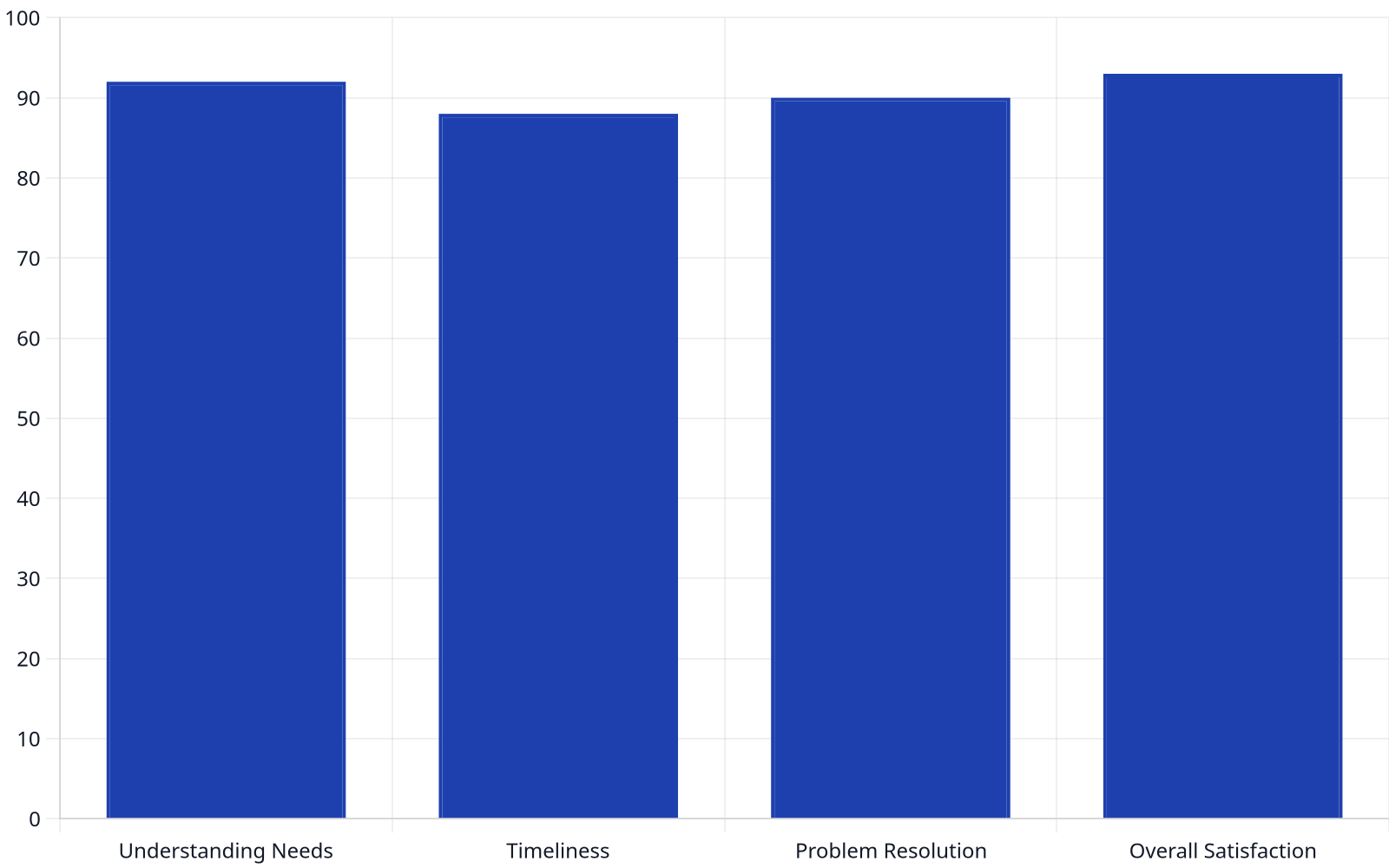
The outcome was a complete success. The foreign investor, who was on the verge of abandoning their ₦2 billion investment, was able to close the deal with a secure and marketable title. The key results were:
- Risk Mitigation: A 100% reduction in title-related risk. The client acquired a legally sound asset, insulated from future ownership challenges.
- Deal Salvaged: The acquisition was successfully completed within 45 days of our firm being engaged.
- Financial Savings: We negotiated for the seller to bear the costs of title perfection, saving the client an estimated ₦50 million in potential fees and penalties.
- Clear Path to Development: The zoning issues were clarified, and the client received a clear roadmap for obtaining the necessary development permits.
The client has since retained Ardnas Legal for their portfolio management in Nigeria, and we are currently advising them on two further acquisitions. This case is a testament to the value of specialized legal counsel and why a detailed property law firm Africa consultation is not a cost, but an investment.
Lessons for Investors in Nigerian Real Estate
This case study offers several critical lessons for anyone looking to invest in property in Nigeria or across Africa.
- Engage Specialized Counsel Early: Do not wait for problems to arise. A specialist property law firm should be one of your first hires. Their initial due diligence will frame your entire transaction.
- The Governor’s Consent is Non-Negotiable: Under the Land Use Act, any transfer of land interest requires the consent of the State Governor. A deal without it is no deal at all. Ensure this is verified.
- Trust, But Verify Everything: Never take a seller’s documents at face value. A comprehensive, independent search at the relevant land registry is mandatory. This verification process is a cornerstone of secure acquisition.
- On-the-Ground Insight is Invaluable: Real estate law in Nigeria is not just about statutes; it’s about practical application and local knowledge. Understanding how the registries work, who to talk to, and what to look for on a site visit is critical.
Investing in African real estate offers tremendous rewards, but the legal landscape requires careful navigation. Don’t let a preventable legal issue sink your next major investment. If you are considering a property transaction in Nigeria, contact us for a consultation.
FAQ
What is the most important document in a Nigerian property transaction?
While several documents are crucial, the Governor’s Consent, pursuant to the Land Use Act of 1978, is arguably the most important. Without it, the legal title to the property is defective and the transaction can be nullified. A duly registered Deed of Assignment or Conveyance is the ultimate proof of ownership.
How long does property due diligence take in Nigeria?
The timeline can vary significantly based on the complexity of the property and the state’s efficiency. A basic search at the Land Registry might take a few days. However, a comprehensive due diligence process, including physical inspection, litigation searches, and regulatory checks, can take anywhere from one to four weeks.
Can a foreigner own land in Nigeria?
Yes, a foreigner or a foreign-owned company can own land in Nigeria. However, the process is governed by the Land Use Act and may require specific structuring, often through a Nigerian-registered entity. The consent of the Governor is required for any alienation of a statutory right of occupancy to a non-Nigerian.
What is a Certificate of Occupancy (C of O)?
A Certificate of Occupancy, or C of O, is the primary document issued by the state government that proves a person or company has a statutory right of occupancy to a piece of land for a specific term, typically 99 years. It is the root of title for most properties in urban areas.
What are the main costs in a property transaction besides the price?
Buyers should budget for several additional costs. These include legal fees for due diligence and contract preparation, registration fees at the land registry, stamp duty, and the fee for obtaining the Governor’s Consent. These can collectively amount to a significant percentage of the property’s value.
What happens if I buy a property without Governor’s Consent?
Buying a property without obtaining the required Governor’s Consent renders the transaction incomplete and legally voidable. The buyer does not obtain a perfect legal title. This means you cannot legally sell, mortgage, or use the property as collateral. It creates a massive liability and can lead to a total loss of the investment.
Related reading
- Nigerian Property Law: Navigating Title & Governor’s Consent
- African Real Estate Law Changes 2027: Key Shifts for Investors.
About the author

Sandra Adeniran
Principal Partner
Adebola Adeniran is the Founding Partner of Ardnas Legal Practitioners. She is a dynamic and forward-thinking lawyer with a passion for providing innovative legal solutions to businesses and individuals. Adebola combines deep legal expertise with a practical, business-oriented approach, ensuring that clients receive advice that is both strategic and actionable.