

Is a pan-African property title a realistic dream? Not yet, but the continent is moving faster than ever toward harmonizing real estate laws. The most significant real estate law changes for 2027 in Africa involve the digitization of land registries, a continent-wide push for sustainability standards in new builds, and updated foreign ownership regulations. For investors, this means that while due diligence is becoming more streamlined through technology, navigating environmental compliance and local content requirements is now a critical part of the process. These shifts are creating a more transparent but also more complex investment environment across the continent.

Understanding the African Real Estate Landscape
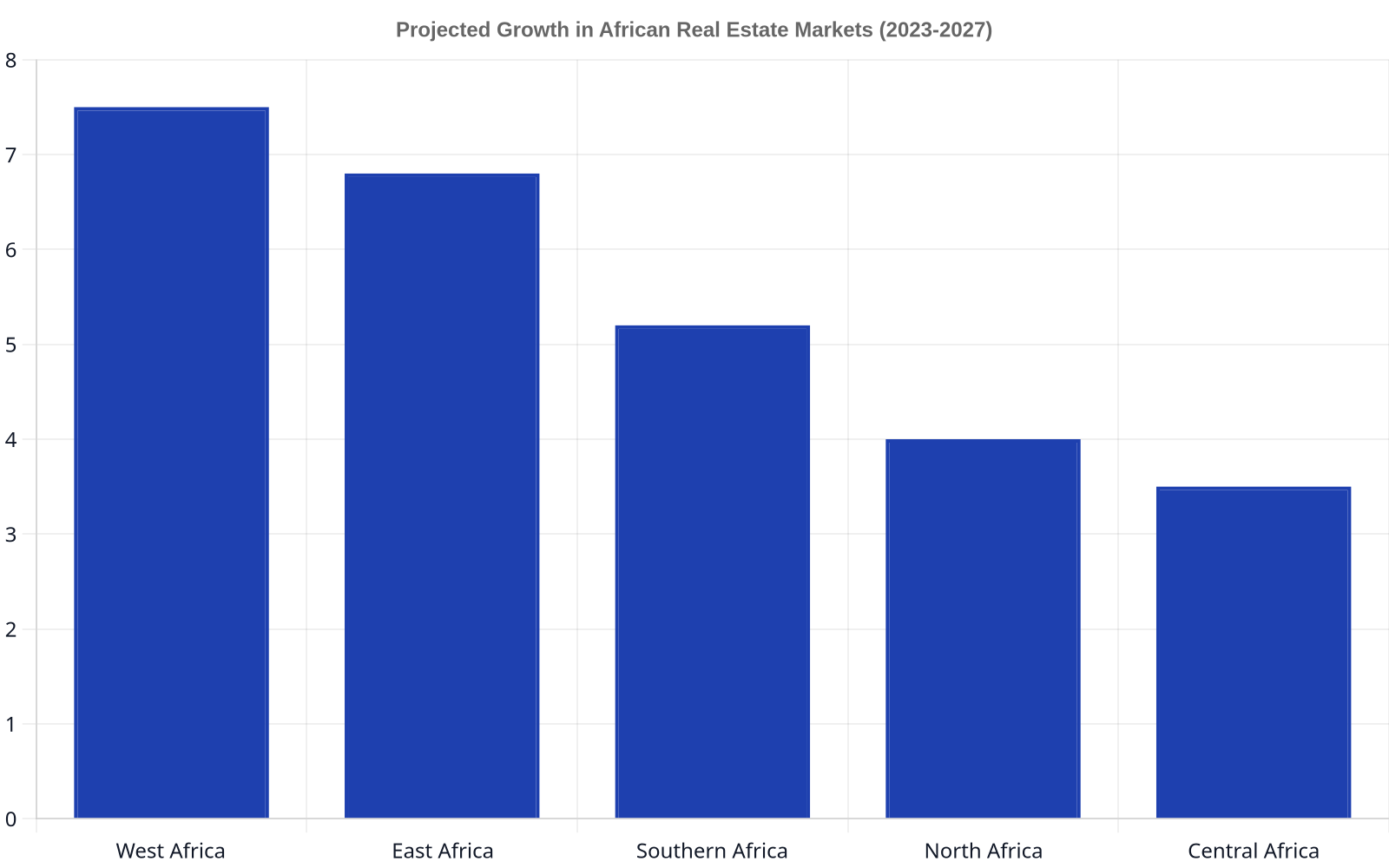
Africa’s property market is not a monolith. An investor looking at a commercial development in Nairobi faces entirely different legal and economic conditions than one acquiring industrial land outside of Lagos. Africa’s real GDP growth is projected to average 4.3% in 2025, fueling demand in both residential and commercial real estate sectors. This growth, however, brings unique challenges and opportunities depending on the region.
- West Africa (Nigeria, Ghana): In Nigeria, the focus remains on perfecting title and navigating the complexities of the Land Use Act of 1978. Lagos, for instance, has its own set of property laws and a digitized land registry system that, while improving, still requires expert navigation. We often assist foreign law firms and international investors who are surprised by the nuance of securing a Governor’s Consent for property transfers. Ghana has seen a push towards more transparent land administration, but historical ownership disputes can still complicate transactions.
- East Africa (Kenya, Rwanda, Ethiopia): This region is a leader in proptech adoption. Kenya’s National Land Information Management System (NLIMS), known as ‘Ardhisasa’, aims to digitize all land records. Rwanda’s efficient, centralized land registry system is often cited as a model for the continent. Ethiopia’s recent economic liberalization is opening new doors for foreign real estate investment, though the legal framework is still evolving.
- Southern Africa (South Africa, Zambia): South Africa has the continent’s most mature legal framework for real estate, but recent policy discussions around land expropriation without compensation create a layer of political risk that investors must monitor. Zambia, rich in resources, is seeing growth in demand for both commercial and agricultural land, with a legal system largely based on English common law.

Key Regulatory Trends Shaping African Real Estate
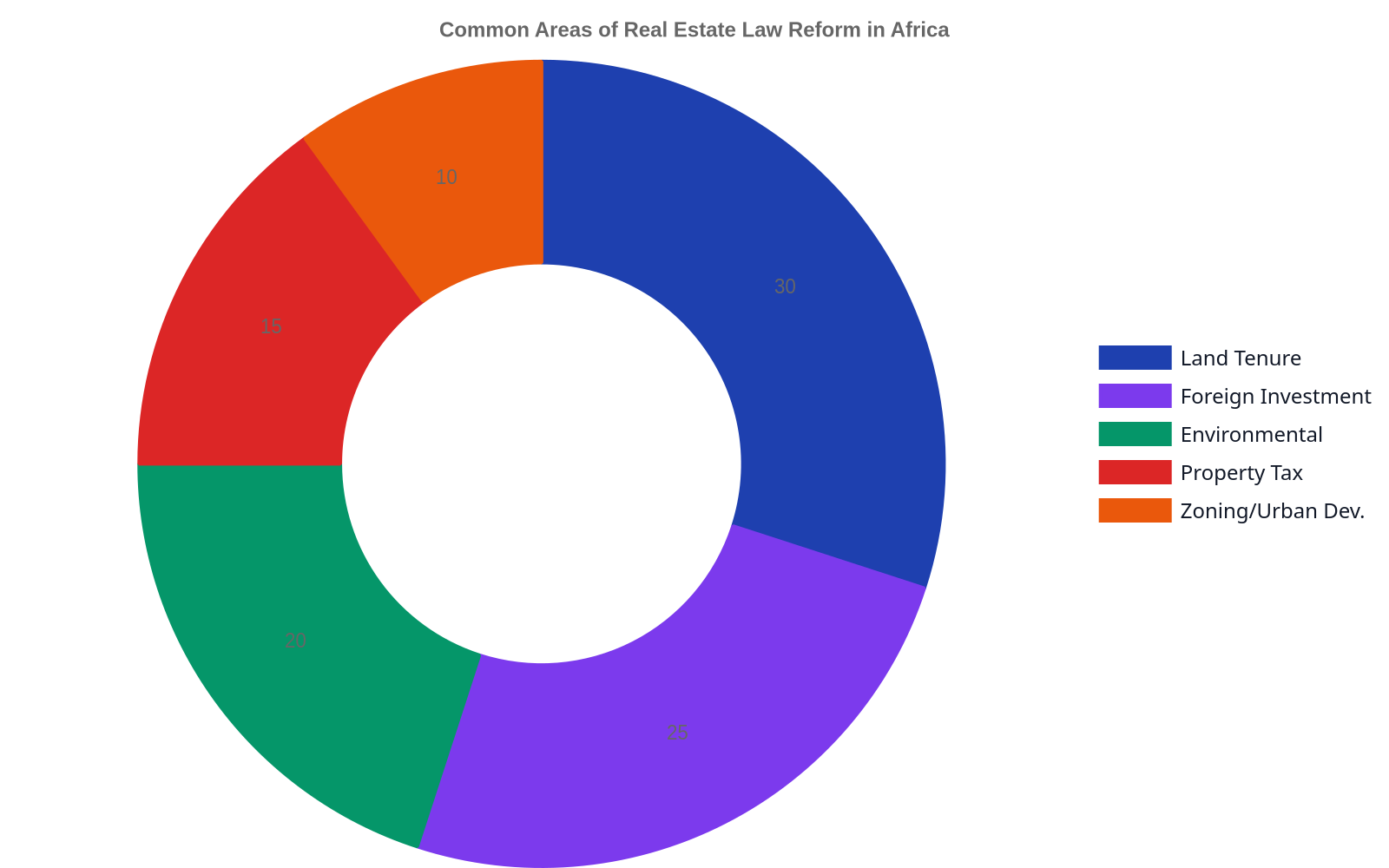
Across these diverse markets, several powerful trends are forcing legal frameworks to adapt. Investors planning for 2027 must look beyond the purchase price and consider these regulatory shifts. These are not just compliance hurdles; they are fundamental changes to how property is developed, owned, and managed.
1. The Drive for Digital Land Registries
The most impactful change is the continental shift from paper-based, analog land registries to digital systems. While progress varies, the goal is uniform: reduce fraud, streamline title verification, and increase transaction speed. However, this transition is not without its problems. Data migration errors, cybersecurity vulnerabilities, and the challenge of integrating decades of paper records mean that digital searches can sometimes create more questions than answers. For instance, a digital record might conflict with an older, physical survey plan. This is where legal expertise becomes critical in reconciling discrepancies and ensuring a clean title.
2. Mandatory Green Building Codes & ESG
Sustainability is no longer a “nice-to-have.” Countries are increasingly embedding green building standards into their national building codes. South Africa’s Green Building Council has been a pioneer, but now we see similar initiatives gaining legal force in Kenya, Nigeria, and Ghana. These regulations dictate everything from energy efficiency and water usage to the sourcing of construction materials. For a developer, this means that project approval in 2027 may be contingent on a comprehensive Environmental, Social, and Governance (ESG) plan. As a firm, our work in Real Estate & Property Management now involves advising on green compliance from the earliest stages of project planning.
3. Evolving Foreign Ownership and Local Content Laws
While many African nations are keen to attract foreign direct investment, they are also tightening rules to ensure local benefit. This is a delicate balance. We see changes in regulations that may limit 100% foreign ownership in certain strategic sectors, such as agriculture or land near national borders. Simultaneously, “local content” laws are becoming more prevalent in large-scale development projects, mandating the use of local labor, suppliers, and even professional services. This trend is visible across the continent, impacting everything from oil and gas projects to major urban developments, and investors must be aware of the changing rules on profit repatriation and capital controls. Understanding these nuances is crucial for structuring an investment correctly from day one. These broader shifts in regulation are also reflected in changing corporate law trends across Africa.
The future of African real estate investment isn’t about finding loopholes in old laws. It’s about building compliant, sustainable projects that align with new, digitally-enforced regulations from the outset.

The Impact of AfCFTA on Real Estate
The African Continental Free Trade Area (AfCFTA) is poised to become a major catalyst for the real estate sector. By creating a single market for goods and services, AfCFTA is expected to boost intra-African trade significantly. The agreement could boost Africa’s income by $450 billion by 2035. This economic integration has direct real estate implications:
- Logistics and Warehousing: Increased trade requires a massive expansion of logistics infrastructure. We anticipate a surge in demand for modern warehouses, distribution centers, and cold storage facilities, particularly around major ports and trade corridors like the Lagos-Abidjan highway.
- Commercial and Office Space: As businesses expand across borders, the need for high-quality office space and corporate housing in key commercial hubs like Accra, Nairobi, and Johannesburg will grow.
- Hospitality: Easier movement of people for business will drive demand for hotels and serviced apartments. Legal frameworks around hospitality investment and management agreements will need to adapt to this cross-border activity.
However, AfCFTA does not automatically harmonize property laws. An investor still needs to navigate the specific land laws of each country. The agreement creates the economic incentive, but the legal due diligence remains a national, and often local, affair.
What Locals Know: Navigating Property in Practice
Textbook law is one thing; how it works on the ground in a place like Lagos is another. Years of practice teach you lessons that are not found in statutes.
- “Perfecting” Title is an Active Process: In many parts of Nigeria, a Certificate of Occupancy (C of O) is just the beginning. Perfecting title involves a chain of steps: Governor’s Consent, stamping, and registration. Skipping any of these can render your title insecure, a fact many foreign investors learn the hard way. We see this often in our work for international clients.
- Community (“Omo-Onile”) Issues Are Real: In certain areas, particularly in the South-West of Nigeria, land is subject to customary ownership by traditional families. Even with official government title, failing to properly engage with these community stakeholders can lead to disputes, work stoppages, and financial demands. It is a practical, not just legal, part of due diligence.
- Zoning and Planning Are Not Suggestions: In planned urban centers, zoning regulations are becoming stricter. Building a commercial property in an area zoned for residential use is a recipe for demolition. Verifying zoning is a non-negotiable step before acquisition, not an afterthought.
A survey plan and a title deed are not the same as a clean, marketable title. The real work is uncovering the unwritten history and potential liabilities of the land.
FAQ
What are the main real estate law changes in Africa for 2027?
The key changes revolve around three areas: the widespread digitization of land registries to improve transparency, the implementation of mandatory green building codes and ESG criteria for new developments, and evolving laws on foreign ownership and local content requirements designed to increase local economic participation.
Is it safe for foreigners to buy property in Nigeria?
Yes, it is safe, provided you follow a rigorous due diligence process. The law permits foreign ownership. The critical factor is working with experienced legal counsel to navigate the specific requirements, such as obtaining Governor’s Consent as stipulated by the Land Use Act, and verifying the property’s title history to avoid common pitfalls.
How is technology changing real estate law in Africa?
Technology, particularly through digital land registries like Kenya’s ‘Ardhisasa’, is making title searches faster and more transparent. This helps reduce fraud and paperwork. However, it also introduces challenges like data security and reconciling digital records with older paper ones, requiring careful legal verification.
What does ESG mean for real estate investors in Africa?
ESG (Environmental, Social, Governance) means investors must now consider the sustainability and community impact of their projects. Legally, this is translating into new building codes that mandate energy efficiency and sustainable materials. Socially, it involves engaging with local communities and ensuring fair labor practices. It’s a shift from a purely financial to a more holistic view of investment risk and return.
How will the AfCFTA impact my real estate investment?
The AfCFTA is expected to boost demand for industrial, logistics, and commercial real estate by increasing intra-African trade. This will create significant opportunities for developers and investors. However, the AfCFTA does not unify property laws, so you will still need to comply with the national and local real estate laws in each country you invest in.
Are property laws the same across all of Africa?
No, they are highly diverse. Legal systems are often based on the colonial history of the nation, resulting in a mix of English Common Law (e.g., Nigeria, Kenya), French Civil Law (e.g., Senegal, Côte d’Ivoire), and Roman-Dutch Law (e.g., South Africa). Furthermore, customary law often plays a significant role, especially in rural areas. It’s a huge mistake to assume that what works in one African country will work in another, a lesson highlighted by.
Do I need a lawyer to buy property in Lagos?
While not legally mandatory for every single step, attempting to buy property in Lagos without an experienced property lawyer is extremely risky. A lawyer conducts vital due diligence, searches the land registry, drafts and reviews contracts, and navigates the complex process of perfecting the title, including securing the Governor’s Consent. This protects you from fraud and future disputes.
Navigating the future of African real estate requires more than just capital; it demands foresight and expert local knowledge. The legal landscape is shifting towards greater transparency and sustainability, creating solid opportunities for well-advised investors. If you are considering a real estate investment in Nigeria or elsewhere in Africa, understanding these changes is the first step to success. Contact Ardnas Legal to discuss how we can help secure your next property venture.
Related reading
- Protecting Your Stage Name in Nigeria: Trademark Law Is Key
- Defamation Law in Nigeria: FAQs for Legal Practitioners.
About the author

Sandra Adeniran
Principal Partner
Adebola Adeniran is the Founding Partner of Ardnas Legal Practitioners. She is a dynamic and forward-thinking lawyer with a passion for providing innovative legal solutions to businesses and individuals. Adebola combines deep legal expertise with a practical, business-oriented approach, ensuring that clients receive advice that is both strategic and actionable.