

Many see oil and gas exploration as a purely technical and financial venture, a high-stakes game of geology and drilling. This is a critical misunderstanding. The bedrock of any successful exploration project isn’t just sedimentary rock; it’s the intricate legal framework that governs every action from the first seismic survey to the final production sharing agreement. The key legal considerations for oil and gas exploration in Nigeria involve securing the correct licenses under the Petroleum Industry Act (PIA) 2021, adhering to stringent environmental standards set by NOSDRA, and structuring robust contractual agreements that mitigate risk, such as Joint Operating Agreements and Production Sharing Contracts, all while navigating community relations and local content requirements.

The Regulatory Labyrinth: Unpacking the Petroleum Industry Act (PIA) 2021
The single most significant piece of legislation governing the Nigerian oil and gas sector is the Petroleum Industry Act (PIA) 2021. This Act fundamentally restructured the industry’s governance, replacing a patchwork of older laws. For any entity, foreign or domestic, contemplating exploration, a granular understanding of the PIA isn’t just advisable; it’s foundational. The Act created two key regulatory bodies: the Nigerian Upstream Petroleum Regulatory Commission (NUPRC) for upstream activities and the Nigerian Midstream and Downstream Petroleum Regulatory Authority (NMDPRA).
The Role of the NUPRC in Exploration
The NUPRC is the gatekeeper for all exploration activities. Its mandate, as outlined in Section 4 of the PIA, is to ensure compliance with all laws and regulations related to upstream operations. This includes granting and administering petroleum exploration licenses (PELs), petroleum prospecting licences (PPLs), and petroleum mining leases (PMLs).
Obtaining a PEL is the first step. This license grants the holder the non-exclusive right to explore for petroleum within a specified area. A PEL is typically granted for a period of three years and is not renewable. It is a reconnaissance tool, allowing companies to conduct geological, geophysical, and geochemical studies to identify potential hydrocarbon deposits. Our work often involves guiding new entrants and international investors, through this initial but crucial application process.
Transitioning from Exploration to Prospecting
Once a commercially viable prospect is identified, the company must apply for a Petroleum Prospecting Licence (PPL). This is where the legal considerations for oil and gas exploration become more intense. The PPL grants the exclusive right to drill and explore for petroleum within the licensed area. Under the PIA, onshore and shallow water PPLs have a maximum term of six years (an initial three-year phase and an optional three-year extension), while deep offshore PPLs can last for up to ten years.
The application for a PPL is a rigorous process. The NUPRC assesses the applicant’s technical competence, financial capacity, and the viability of the proposed work program. This is where having experienced legal counsel becomes indispensable. We assist clients in preparing a legally sound application that demonstrates full compliance and a robust technical and commercial plan, ensuring all due diligence is meticulously completed.
The PIA isn’t just a set of rules to follow. It’s a complete redesign of the risk and reward structure of the Nigerian petroleum industry. Companies that fail to grasp its nuances on issues like host community obligations and fiscal terms will find themselves at a significant disadvantage.
Fiscal Terms and Royalties Under the PIA
The PIA also introduced a new fiscal framework designed to be more responsive to oil prices and production levels. This includes a revised royalty regime and the introduction of a hydrocarbon tax. Royalties are now charged on a production basis, with different rates for onshore, shallow water, deep offshore, and frontier basins. For example, royalties for onshore production can be as high as 15%, while deep offshore projects might have a lower rate of 7.5%, as detailed in Part IV of the Act. Understanding these fiscal terms is paramount for financial modeling and assessing the long-term profitability of an exploration project.
Environmental Regulations and Compliance
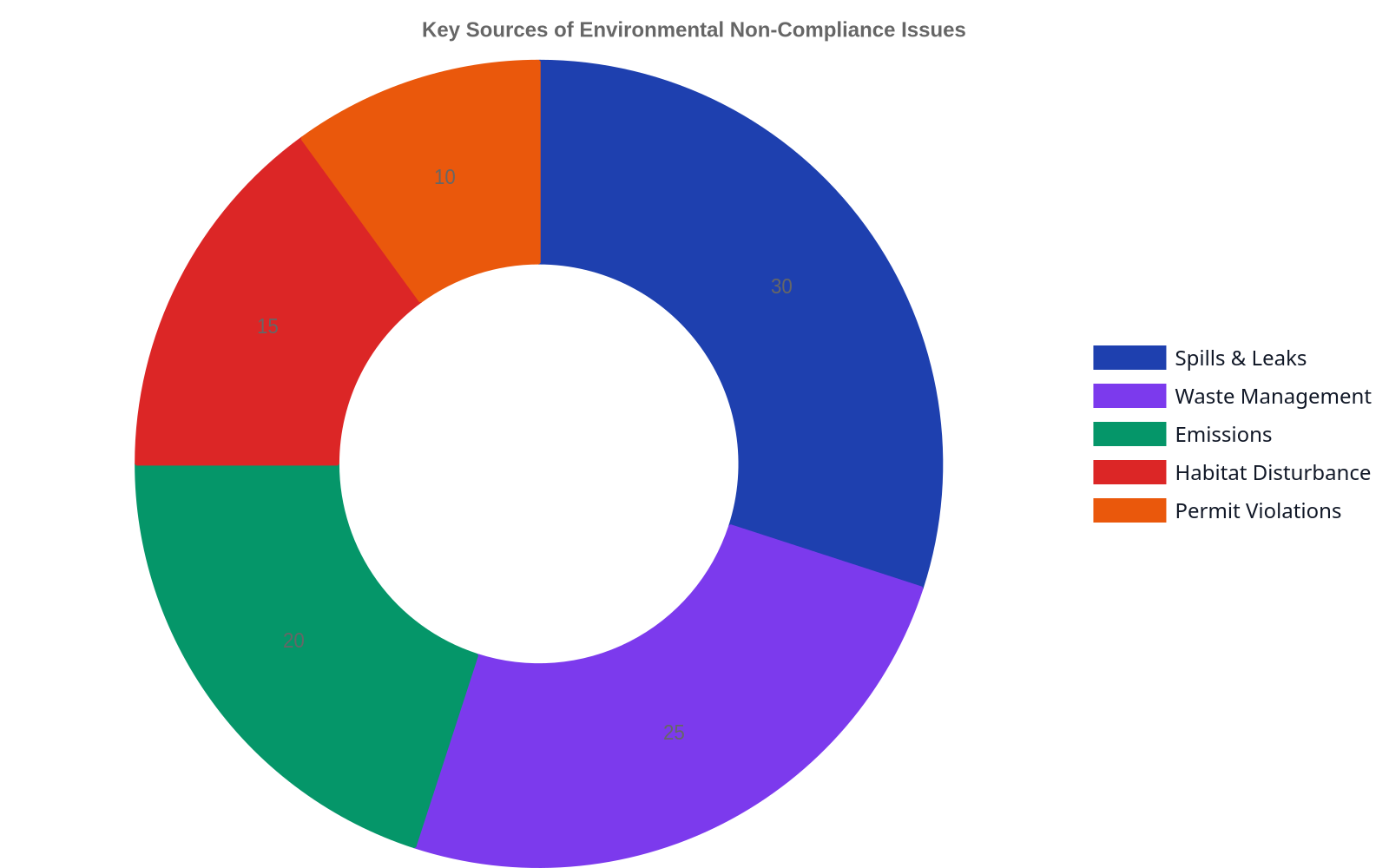
Nigeria’s environmental laws are robust, and the oil and gas industry is under intense scrutiny. Ignoring these regulations is not an option and can lead to severe financial penalties, operational shutdowns, and reputational damage. The primary agency responsible for enforcing environmental laws in the oil sector is the National Oil Spill Detection and Response Agency (NOSDRA).
The Indispensable Environmental Impact Assessment (EIA)
Before any exploration activities can commence, the Environmental Impact Assessment (EIA) Act requires that an EIA must be conducted and approved. The EIA is a comprehensive study that identifies and evaluates the potential environmental and social impacts of a proposed project. It must also propose mitigation measures to address any adverse effects. The process involves extensive public consultation and review by the Federal Ministry of Environment.
A common pitfall for new entrants is underestimating the time and detail required for a successful EIA. A poorly prepared EIA can lead to significant delays in project timelines. Our experience in Oil & Gas law involves steering clients through this process, ensuring the assessment is thorough, scientifically sound, and compliant with all statutory requirements.
Managing Spills and Environmental Remediation
The NOSDRA Act of 2006 imposes strict liabilities on oil companies for oil spills. Companies are required to clean up any spill and remediate the affected environment, regardless of fault. The Act also mandates the payment of compensation to affected individuals and communities. The “polluter pays” principle is firmly embedded in Nigerian law. This makes having a comprehensive oil spill contingency plan not just a best practice, but a legal necessity. We work with companies to develop and review these plans to ensure they meet the stringent standards set by NOSDRA and international best practices.

Gas Flaring Penalties and Regulations
For decades, gas flaring has been a significant environmental issue in Nigeria. The PIA aims to eliminate this practice by imposing stricter penalties and creating commercial incentives for gas utilization. Under the Act, companies that flare gas are liable to pay a penalty. The Gas Flaring (Prevention of Waste and Pollution) Regulations, 2018, provides a framework for the commercialization of flare gas, encouraging companies to capture and process it rather than burning it off. Legal advice in this area is critical for structuring gas commercialization projects that are both profitable and compliant.
Contractual Frameworks: Structuring for Success and Mitigating Risk
Beyond statutory compliance, the success of an oil and gas exploration project hinges on the strength of its contractual agreements. These documents define the relationships, responsibilities, and financial arrangements between all parties involved. A poorly drafted contract can lead to costly disputes that jeopardize the entire venture.
Joint Operating Agreements (JOAs)
JOAs are the most common contractual structure in Nigeria for joint ventures between the Nigerian National Petroleum Company Limited (NNPCL) and international oil companies (IOCs). The JOA governs how operations are conducted, how costs are shared, and how production is allocated. Key provisions in a JOA include defining the operator, outlining the rights and obligations of each party, establishing a voting mechanism for operational decisions, and detailing default provisions. Negotiating a JOA requires a deep understanding of industry customs and Nigerian law to protect a company’s interests.
Production Sharing Contracts (PSCs)
PSCs are prevalent in Nigeria’s deep offshore and inland basins. Under a PSC, the NNPCL engages a contractor (or a consortium of contractors) to conduct exploration and production operations at its own financial risk. If a commercial discovery is made, the contractor is entitled to recover its costs (“Cost Oil”) and share in the remaining production (“Profit Oil”) according to a pre-agreed formula.
The PIA 2021 provides for the conversion of existing Oil Prospecting Licences (OPLs) and Oil Mining Leases (OMLs) into PSCs. The negotiation of PSC terms, particularly the profit-sharing splits and cost recovery mechanisms, is a highly specialized area of law. Our firm has provided extensive legal support on these agreements, ensuring clients achieve favorable terms that align with the project’s economic realities.
Service Agreements
Exploration projects involve a vast network of third-party contractors providing services from seismic data acquisition to drilling. These relationships are governed by service agreements. These contracts must be carefully drafted to manage risks related to performance, liability, indemnity, and intellectual property. For instance, a contract for seismic data acquisition should clearly define data ownership and confidentiality obligations, a service we provide under our Intellectual Property & Technology Law practice. Given that we undertake work for public and private companies and investors, we have a broad perspective on structuring these agreements to be fair and protective.
Community Relations and Local Content
No discussion of legal considerations for oil and gas exploration in Nigeria is complete without addressing community engagement and local content. These are not soft issues; they are hard legal requirements with significant operational implications.
Host Communities Development Trust (HCDT)
A major innovation of the PIA 2021 is the mandatory establishment of a Host Communities Development Trust (HCDT) for every project. Companies are required to contribute 3% of their actual annual operating expenditure to this trust. The purpose of the trust is to foster sustainable prosperity and provide direct social and economic benefits to the communities in the project’s vicinity. Failure to make these contributions can result in the revocation of a company’s license.
However, the Act also places a responsibility on communities to protect the oil and gas assets in their area. Any cost incurred due to vandalism, sabotage, or civil unrest can be deducted from the HCDT fund. This creates a complex dynamic that requires careful legal and social management to maintain a stable operating environment.
The Host Communities Development Trust is not a corporate social responsibility initiative. It is a legally binding obligation that fundamentally redefines the relationship between operators and the communities in which they work. It demands proactive engagement, not reactive payments.
The Nigerian Content Development and Monitoring Board (NCDMB)
The Nigerian Oil and Gas Industry Content Development (NOGICD) Act of 2010 aims to increase indigenous participation in the oil and gas industry. The Act is enforced by the Nigerian Content Development and Monitoring Board (NCDMB). It mandates that first consideration be given to Nigerian companies for the provision of goods and services. The Act sets specific minimum local content thresholds for various activities in the industry.
For any exploration company, compliance with the NOGICD Act is crucial. This involves submitting a Nigerian Content Plan to the NCDMB for approval before commencing any project. The plan must detail how the company will meet the local content requirements, including targets for employment, training, and procurement from local suppliers. Navigating the requirements of the NCDMB and integrating them into procurement and HR strategies is a key legal and operational challenge.
Dispute Resolution Mechanisms
Despite careful planning, disputes are a commercial reality in high-stakes industries. The legal framework for oil and gas exploration in Nigeria provides for several dispute resolution mechanisms.
Litigation in Nigerian Courts
The Nigerian judicial system is the primary forum for resolving commercial disputes. The Federal High Court has exclusive jurisdiction over matters related to mines, minerals, oil fields, and oil mining, as stipulated in Section 251 of the 1999 Constitution (as amended). While litigation can be a lengthy process, it remains a viable option for enforcing contractual rights. Parties must be prepared for the procedural complexities of the Nigerian court system.
Arbitration and Alternative Dispute Resolution (ADR)
Due to the often confidential and technical nature of oil and gas disputes, arbitration is frequently the preferred method of resolution. Many contracts, particularly those involving international parties, will include an arbitration clause specifying the rules (e.g., ICC, LCIA) and the seat of arbitration (e.g., Lagos, London, Paris). The new Nigerian Arbitration and Mediation Act, 2023, has modernized the country’s arbitration framework, making Nigeria a more attractive seat for international arbitration. ADR mechanisms like mediation and expert determination are also increasingly used to resolve disputes more efficiently and amicably.
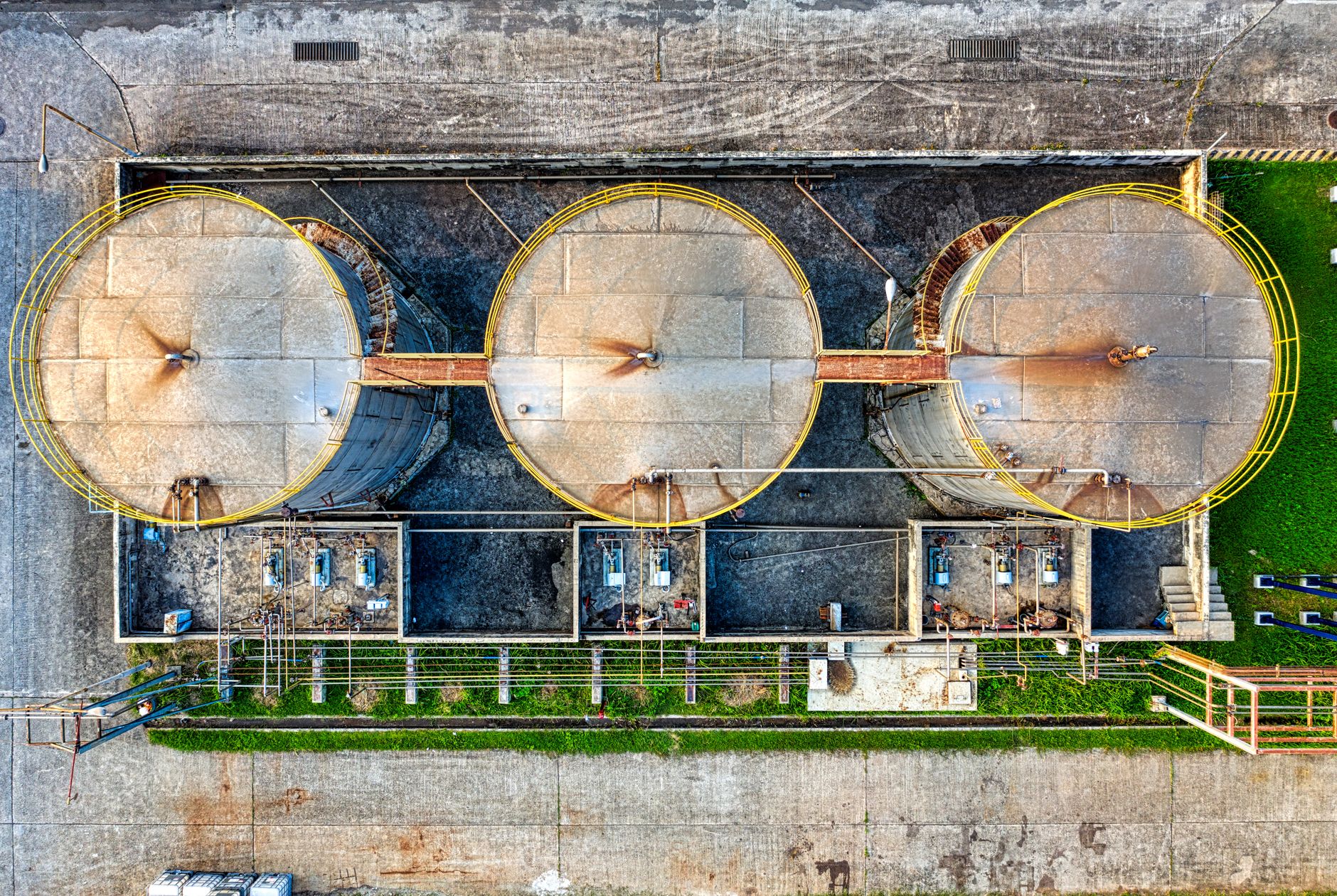
Comparison of Dispute Resolution Forums
| Feature | Nigerian High Court | International Arbitration | Local Arbitration |
|---|---|---|---|
| Confidentiality | Proceedings are public | Proceedings are private | Proceedings are private |
| Enforceability | Judgments enforceable in Nigeria | Awards enforceable globally under New York Convention | Awards enforceable in Nigeria |
| Choice of Decision-Maker | Assigned Judge | Parties select arbitrators with relevant expertise | Parties select arbitrators |
| Speed | Can be slow due to court dockets and appeals | Generally faster than court litigation | Can be faster than court litigation |
| Cost | Lower official filing fees, but can be lengthy | Higher administrative fees and arbitrator costs | Moderate costs |
| Procedural Flexibility | Rigid court rules of procedure | Flexible; parties can agree on procedures | Flexible, governed by the Arbitration and Mediation Act |
FAQ
What is the first legal step for oil exploration in Nigeria?
The very first step is to obtain a Petroleum Exploration Licence (PEL) from the Nigerian Upstream Petroleum Regulatory Commission (NUPRC). This non-exclusive license allows a company to perform initial reconnaissance work, such as seismic surveys and geological studies, to identify potential hydrocarbon reserves before committing to more extensive and costly operations.
How does the Petroleum Industry Act (PIA) 2021 affect existing oil and gas leases?
The PIA provides a mechanism for holders of existing Oil Prospecting Licences (OPLs) and Oil Mining Leases (OMLs) to convert them into the new licensing framework of Petroleum Prospecting Licences (PPLs) and Petroleum Mining Leases (PMLs). The conversion is not automatic and requires an application to the NUPRC. The terms of conversion can have significant fiscal and operational implications.
What are the main environmental obligations for an exploration company?
The primary environmental obligations include conducting a comprehensive Environmental Impact Assessment (EIA) before starting work, obtaining all necessary environmental permits, implementing an approved oil spill contingency plan, and complying with regulations on gas flaring. The “polluter pays” principle is strictly enforced, meaning companies are liable for the remediation of any environmental damage they cause.
What is the Host Communities Development Trust (HCDT)?
The HCDT is a mandatory trust established under the PIA 2021. It’s a legal obligation designed to create a more direct and stable relationship between companies and their host communities.
Can foreign companies fully own an exploration project in Nigeria?
However, they are still subject to all Nigerian laws, including the Nigerian Oil and Gas Industry Content Development (NOGICD) Act, which mandates giving first consideration to Nigerian companies for contracts and services, and requires a detailed plan for promoting local content.
Embarking on an oil and gas exploration project in Nigeria is a complex undertaking with immense potential rewards. Successfully navigating this terrain requires more than just technical expertise and capital; it demands a sophisticated understanding of a multifaceted legal and regulatory environment. From licensing under the PIA to environmental compliance and community engagement, every step is governed by law. Engaging experienced legal counsel early is the surest way to build a strong foundation for your venture. If you are considering an investment in Nigeria’s upstream sector, contact our team to discuss how we can help you address these critical legal considerations.
Related reading
- Oil & Gas Legal Consultant Africa: Expert Legal Guidance
- Registering an Oil & Gas Company in Nigeria: Step-by-Step.
About the author

Sandra Adeniran
Principal Partner
Adebola Adeniran is the Founding Partner of Ardnas Legal Practitioners. She is a dynamic and forward-thinking lawyer with a passion for providing innovative legal solutions to businesses and individuals. Adebola combines deep legal expertise with a practical, business-oriented approach, ensuring that clients receive advice that is both strategic and actionable.