

Many see Africa’s oil and gas sector as a monolith. They picture a single, uniform market. This is a costly mistake. The reality is a complex mosaic of over 50 different legal systems, production-sharing contract (PSC) regimes, and local content requirements. An effective oil and gas legal consultant in Africa must be a specialist not just in energy law, but in the specific jurisdictions of your operation. They act as your navigator through disparate regulatory environments, from Nigeria’s complex Petroleum Industry Act (PIA) 2021 to emerging frameworks in Mozambique and Senegal. Your success depends on finding a firm that understands these local nuances intimately.

Understanding Africa’s Oil & Gas Landscape
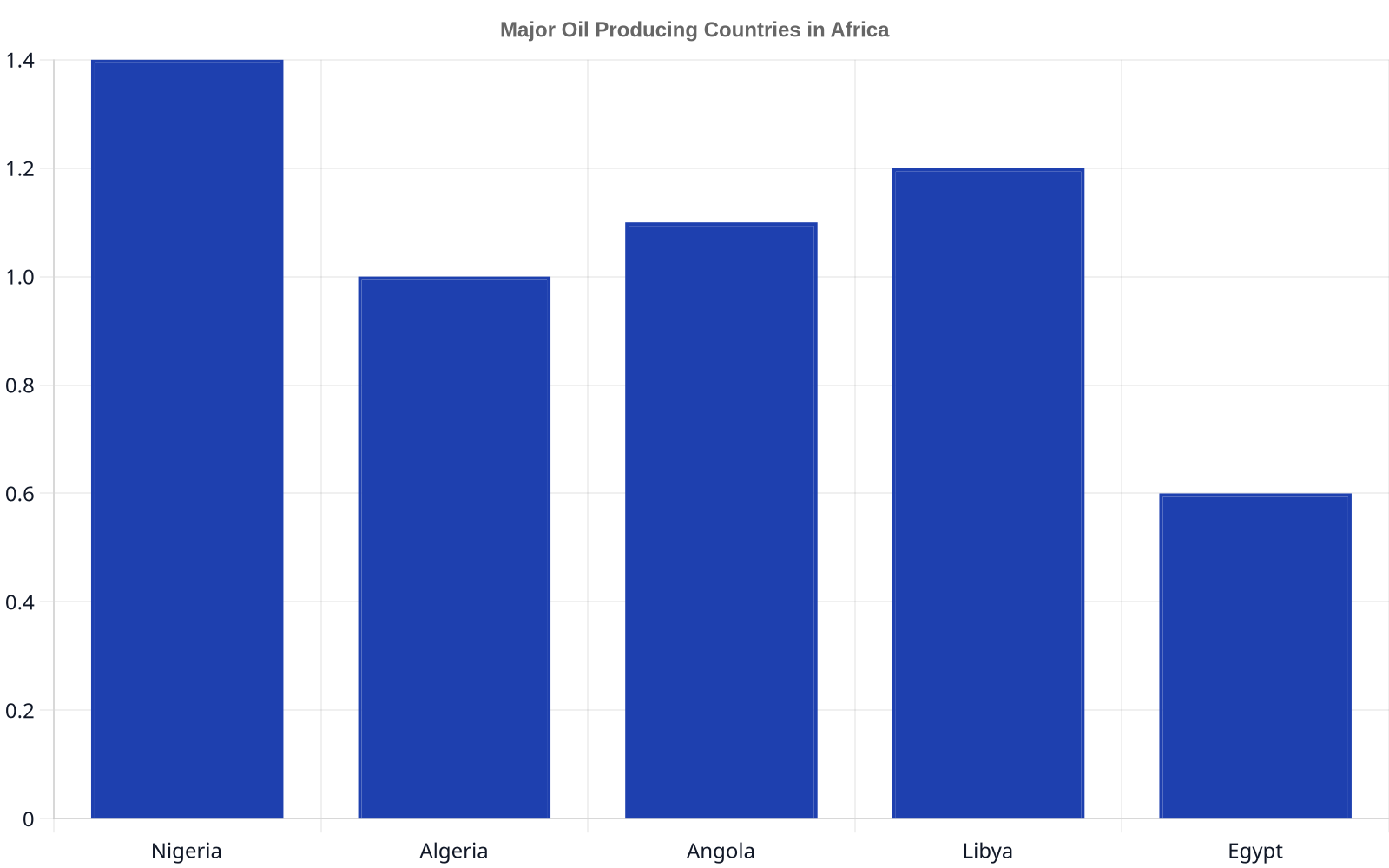
Africa isn’t a single oil-producing bloc; it’s a continent of distinct regions with vastly different operational realities. An investor’s legal needs in an established producer like Nigeria are fundamentally different from those in an emerging gas hub like Mozambique or a frontier exploration zone like Namibia.
In West Africa, particularly Nigeria, you encounter a mature and highly regulated environment. The Petroleum Industry Act of 2021 reshaped the fiscal and administrative landscape, creating new regulators like the Nigerian Upstream Petroleum Regulatory Commission (NUPRC) and the Nigerian Midstream and Downstream Petroleum Regulatory Authority (NMDPRA). Legal counsel here focuses heavily on PIA compliance, host community development trusts, and gas commercialization obligations. As a firm with a deep-rooted Oil & Gas law practice in Nigeria, we see international companies frequently needing guidance on navigating these specific, localized requirements.
Contrast this with East Africa, where massive natural gas finds in Mozambique and Tanzania have created a different set of legal challenges. Here, the focus is on large-scale LNG project financing, complex multi-party unitization agreements, and ensuring compliance with local content laws (LCLs) that are still evolving. According to harnessing these natural gas resources is pivotal for the continent’s industrialization, making the legal frameworks surrounding them critically important.
Finally, frontier territories like Namibia, Guyana’s geological twin, are attracting massive exploration investment. Here, legal consultants are primarily engaged in advising on exploration licenses, negotiating initial PSC terms, and conducting due diligence on block acquisitions. The legal risks are higher, but so are the potential rewards.

Navigating Regulatory Frameworks and Investment Trends
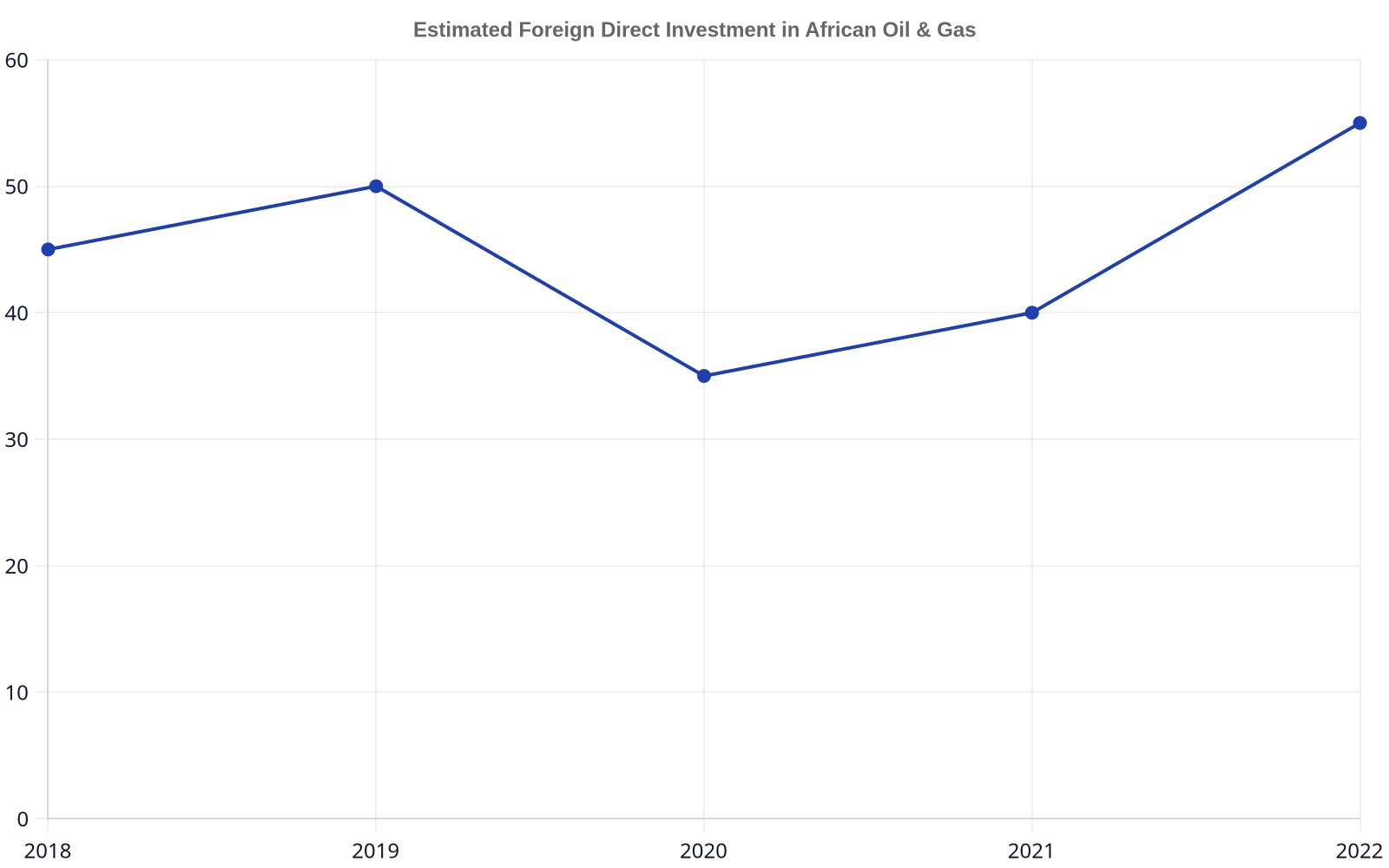
Foreign direct investment (FDI) in African energy requires a sharp understanding of the regulatory currents. The trend across the continent is toward stronger local content requirements and more assertive national oil companies (NOCs). An oil and gas legal consultant in Africa spends a significant portion of their time helping clients meet these obligations, which go far beyond simple tax compliance.
For example, Nigeria’s local content laws, governed by the Nigerian Content Development and Monitoring Board (NCDMB), set specific targets for using local personnel, goods, and services. Failure to submit and adhere to a Nigerian Content Plan can result in significant penalties and project delays. These aren’t just suggestions; they are hard-coded requirements. We often work with foreign law firms and their clients to structure investments and operational plans that satisfy these NCDMB mandates from day one.
The most common mistake international entrants make is underestimating the power of local regulators. They treat local content as a box-ticking exercise, not as a core pillar of their license to operate.
Investment trends are also shifting. While oil remains dominant, gas is the continent’s strategic transition fuel. Legal expertise in gas commercialization is now paramount. This includes drafting Gas Sale and Purchase Agreements (GSPAs), advising on pipeline infrastructure projects, and understanding the regulatory nuances of gas-to-power projects. An analysis by the IEA highlights that Africa holds vast, untapped gas resources that could transform its energy future, but unlocking this requires navigating above-ground risks, which is precisely where legal counsel comes in.
Furthermore, environmental, social, and governance (ESG) considerations are no longer a “nice-to-have.” Lenders and investors increasingly scrutinize a project’s carbon footprint and community impact. Your legal team must be proficient in international ESG standards and how they intersect with local environmental protection laws, such as Nigeria’s Environmental Impact Assessment (EIA) Act.
Key Services an African Oil & Gas Legal Consultant Provides
A top-tier oil and gas legal consultant in Africa offers more than just contract review. They provide strategic counsel across the entire project lifecycle.
1. Market Entry & Licensing:
Before a single dollar is spent on exploration, you need to acquire the legal right to operate. This involves conducting due diligence on available blocks, advising on the most suitable legal structure for your local entity, and negotiating the terms of your PSC or license with the host government. This is a high-stakes negotiation where the fiscal terms for the next 20-30 years are set.
2. Regulatory Compliance and Permitting:
Once operational, the compliance burden is immense. Your legal team will manage the slew of permits required for everything from drilling and seismic surveys to facility construction and crude oil export. In a country like Nigeria, this means interfacing with the NUPRC, NMDPRA, NCDMB, and various environmental agencies. It’s a full-time job ensuring a project remains in good standing.
3. Transaction Advisory (M&A and Farm-ins):
The African oil and gas landscape is dynamic, with assets frequently changing hands. Whether you are acquiring a stake in an existing block (a “farm-in”) or selling one, you need rigorous legal support. This includes conducting due diligence on the asset, drafting and negotiating the sale and purchase agreement, and securing ministerial consent for the transfer of interest, a critical step mandated by laws like the Nigerian Petroleum Industry Act.
4. Dispute Resolution:
Disputes are an unfortunate reality of the business. They can arise with government bodies over fiscal terms, with partners over joint operating agreement (JOA) interpretations, or with local communities. An experienced legal team will be adept at resolving these issues through negotiation, mediation, or, if necessary, arbitration. A 2022 report on global arbitration confirmed that energy disputes remain a major component of international arbitration, making this a core competency for any serious energy law practice.

Emerging Opportunities: Gas & Renewable Integration
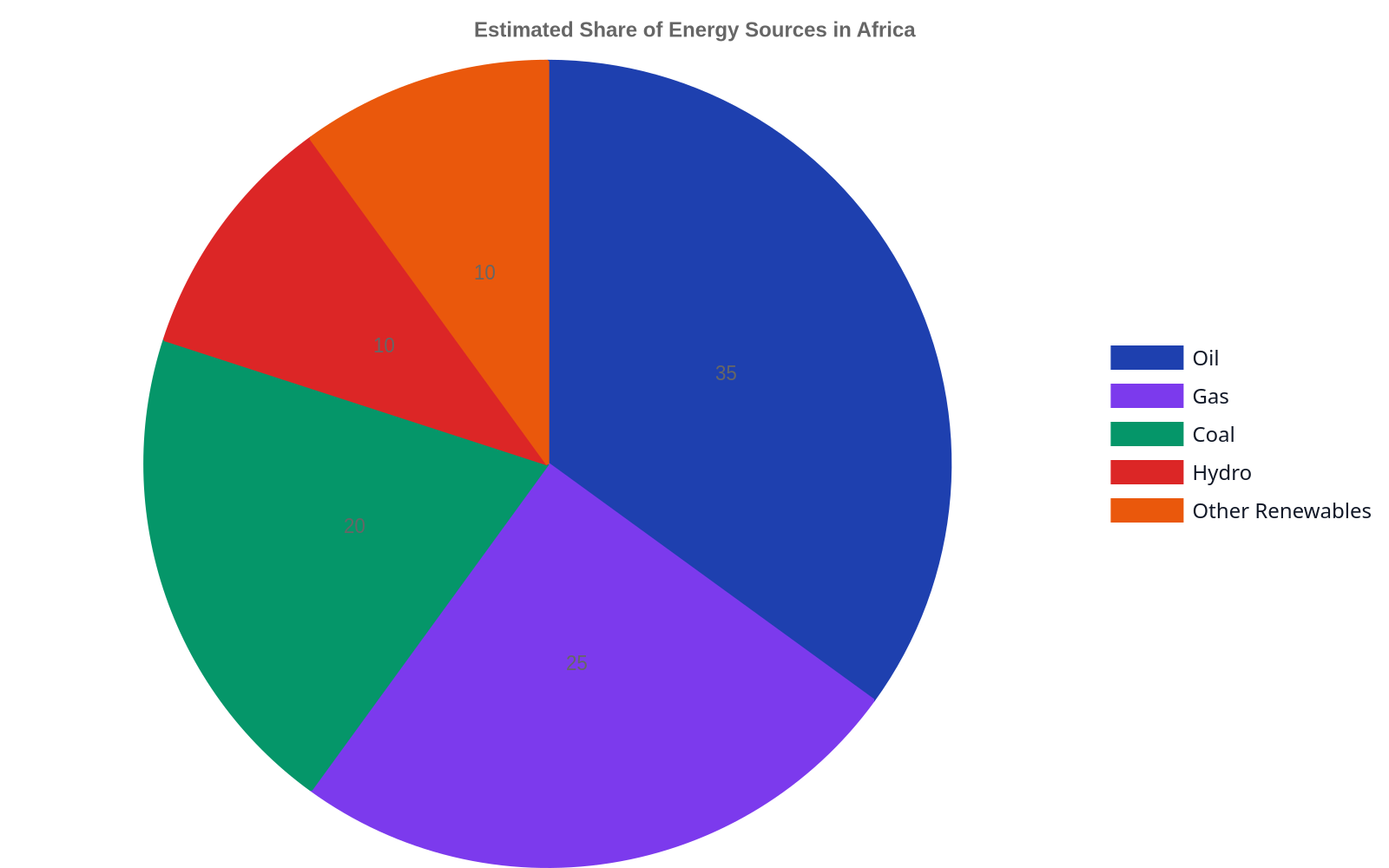
The future of energy in Africa isn’t solely about crude oil. Two major shifts are creating new legal frontiers: the monetization of natural gas and the integration of renewable energy into oil and gas operations.
The “Decade of Gas” initiative in Nigeria is a prime example of a government-led push to develop domestic gas resources. This creates a need for legal experts who understand gas infrastructure financing, pricing regulations, and the specific agreements needed to supply gas to power plants and industrial users. The legal work here is less about export and more about building a domestic market.
Simultaneously, pressure to decarbonize operations is growing. Major operators are now looking to power their offshore platforms and onshore facilities with renewable energy sources like solar and wind to reduce their operational emissions. This creates a novel legal intersection. Your consultant must now understand not only oil and gas law but also power purchase agreements (PPAs), electricity grid regulations, and the legal framework for renewable energy projects. As a full-service law firm, we recognize that our Oil & Gas law practice must evolve to cover these integrated energy projects.
A recent PwC strategy paper underscores this transition, noting that African oil and gas companies must adapt to the energy transition or risk being left behind. Legal advisors are on the front lines of enabling this adaptation.
FAQ
What is a Production Sharing Contract (PSC)?
A Production Sharing Contract, or PSC, is the most common agreement between a host government and an international oil company (IOC). Under a PSC, the IOC bears the financial risk of exploration and production. If a commercial discovery is made, the company is allowed to recover its costs from the produced oil (“cost oil”). The remaining oil (“profit oil”) is then split between the government and the company according to a pre-agreed formula.
What are “local content” requirements?
Local content requirements are laws or regulations that mandate a certain level of participation from a country’s own citizens, businesses, and materials in the oil and gas value chain. This can include hiring quotas for local staff, mandatory use of locally manufactured goods, and requirements to partner with indigenous companies. Nigeria’s Nigerian Oil and Gas Industry Content Development (NOGICD) Act of 2010 is a well-known example.
How are oil and gas disputes typically resolved in Africa?
While litigation in national courts is possible, most significant disputes, especially those involving international parties, are resolved through international arbitration. The governing contracts (like PSCs and JOAs) will almost always specify an arbitration clause, designating a neutral venue like London, Paris, or Singapore and a set of procedural rules (e.g., ICC, LCIA). This provides a more predictable and enforceable dispute resolution mechanism.
What is the difference between an upstream and downstream consultant?
An upstream legal consultant focuses on the exploration and production (E&P) phase of the industry. This includes licensing, drilling, and bringing oil and gas to the surface. A downstream consultant advises on activities that occur after production, such as refining, transportation, marketing, and distribution of petroleum products.
How does the Petroleum Industry Act (PIA) 2021 impact investors in Nigeria?
The PIA is a comprehensive piece of legislation that overhauled Nigeria’s oil and gas sector. For investors, its key impacts include creating new regulatory bodies, introducing new fiscal terms (like royalties and taxes) that are different for onshore, shallow water, and deepwater, and mandating the creation of Host Community Development Trusts to channel funds directly to communities in operating areas. Compliance is not optional and requires expert legal guidance.
Can foreign law firms advise on oil and gas matters in Nigeria?
While foreign law firms play a crucial role in advising on international aspects of transactions like financing and arbitration, they cannot directly practice Nigerian law or appear in Nigerian courts. They must work in close partnership with a qualified Nigerian law firm. This collaborative approach ensures that an investor receives seamless advice covering both international standards and mandatory local legal requirements.
Navigating the legal intricacies of Africa’s oil and gas sector is a formidable task, but it is not impossible with the right guidance. The key is to engage a legal consultant with demonstrated, on-the-ground experience in your specific country of operation. If you are exploring opportunities in Nigeria or require counsel on complex energy transactions, our team is ready to assist.
About the author

Sandra Adeniran
Principal Partner
Adebola Adeniran is the Founding Partner of Ardnas Legal Practitioners. She is a dynamic and forward-thinking lawyer with a passion for providing innovative legal solutions to businesses and individuals. Adebola combines deep legal expertise with a practical, business-oriented approach, ensuring that clients receive advice that is both strategic and actionable.