

Is the land you just bought truly yours? For many investors in Nigeria, the answer is a devastating no. Property fraud in Nigeria is the intentional deception or misrepresentation in a real estate transaction for financial gain, depriving the rightful owner of their property or funds. This isn’t just a minor risk; some sources claim that a staggering 50% of real estate transactions in Nigeria involve some form of fraud. The problem is so pervasive it affects everyone from individuals buying their first home to public and private companies making substantial investments.

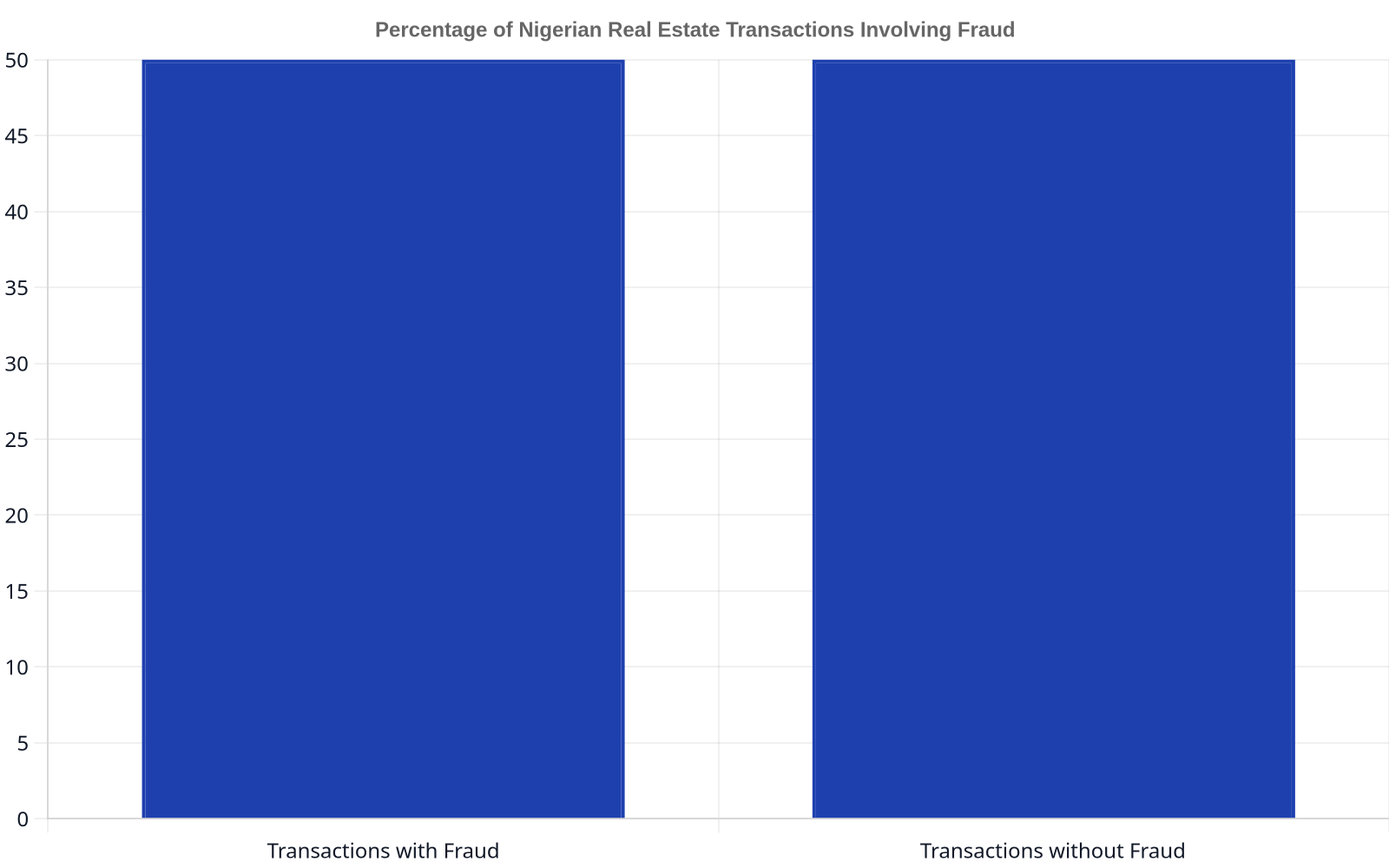
The scale of property fraud in Nigeria is immense, creating a crisis of trust in the market. It’s not a niche problem affecting a few unlucky buyers. It’s a systemic issue with deep roots. The human cost is measured in shattered dreams and lost life savings. For businesses, it translates into project failures, litigation costs, and a chilling effect on both Nigerian and foreign investors looking to enter the market. The financial damage is equally stark, with one report highlighting a case involving proceeds from real estate scams.
The Financial Impact of Property Fraud
The economic consequences are profound. When capital is lost to fraudulent schemes, it’s removed from productive use, stunting economic growth. A single complex mortgage fraud scheme can involve staggering amounts, such as one case where a Nigerian national was extradited for a scheme valued at $8 million and involving approximately 20 residential properties. The constant threat of fraud increases transaction costs for everyone, as legitimate buyers must spend more on legal services and due diligence to protect themselves. We see this firsthand when assisting clients, including governments and financial institutions, who now require exhaustive verification before committing funds.
A property title isn’t just a piece of paper. It’s the legal proof of your existence on that piece of earth. In a high-fraud environment, verifying that proof is not a formality; it is the most critical step of the entire transaction.
Common Real Estate Fraud Schemes
Fraudsters use a variety of tactics, often preying on a buyer’s lack of knowledge about the legal process. Understanding these schemes is the first step toward avoiding them.
Sale of Government-Acquired Land
One of the most frequent scams involves the sale of land that the government has already acquired for public use. Unsuspecting buyers purchase the property, only to have it demolished later with no compensation. Always verify a property’s status at the relevant state’s lands registry to confirm it is free from government acquisition.
Multiple Sales of a Single Property
Here, a fraudulent seller sells the same plot of land or building to multiple buyers. They collect payments from everyone and then disappear. This creates a complex legal battle for the victims to prove who the legitimate owner is. The first to register their title at the lands registry often has the strongest claim.

Forged Title Documents
Sophisticated criminals forge documents like a Certificate of Occupancy (C of O), Deed of Assignment, or survey plans. These fakes can look incredibly convincing. Without expert verification, a buyer might pay millions for a worthless piece of paper. It is essential to conduct a thorough legal search to confirm the authenticity of every document. A proper land due diligence process is non-negotiable.
How to Protect Yourself from Property Fraud
Avoiding property fraud in Nigeria requires vigilance and professional guidance. It’s not about being cynical; it’s about being diligent.
First, never rush a transaction. High-pressure sales tactics are a major red flag. Fraudsters want you to make emotional decisions before you have time to think or investigate.
Second, engage a qualified property lawyer from the very beginning. A lawyer will conduct the necessary searches to verify the seller’s identity and the property’s title. They will confirm the authenticity of the survey plan, check for any government acquisition, and ensure there are no existing mortgages or liens on the property.
Hiring a lawyer to vet a property transaction is not an expense. It is insurance against the total loss of your investment.
Third, verify the documents yourself, in addition to your lawyer’s search. Visit the land registry for the state where the property is located. For properties in Lagos, this would be the Lagos State Lands Registry. The Federal Land Registry also handles federal government land. Confirm that the title documents presented by the seller match the records held by the government.
Finally, document everything. Insist on a formal Deed of Assignment and ensure it is registered. This document is the primary evidence of the transfer of ownership. Without it, your claim to the property is weak.

FAQ
What is the first thing to do if I suspect property fraud?
Immediately contact a lawyer experienced in property litigation. They can advise you on the best course of action, which may include filing a petition with the Economic and Financial Crimes Commission (EFCC) or initiating a civil lawsuit to recover your money or property. Do not delay, as time is critical.
Can I recover land I lost to fraud?
Recovery is possible but can be a long and difficult legal process. Success often depends on the specific facts of your case, the quality of your evidence, and whether you can prove your title is superior to the other party’s claim. Swift legal action is crucial to increase your chances of success.
What is a Certificate of Occupancy (C of O)?
A Certificate of Occupancy is a document issued by a state government in Nigeria to a landowner as proof of ownership. It is a vital document, but it can be forged. You must verify its authenticity at the issuing state’s land registry.
How can I verify a property title in Nigeria?
A qualified lawyer must conduct a search at the relevant land registry. In Lagos, this is the Lagos State Lands Registry. The search will reveal the true owner of the property, its dimensions, and whether there are any encumbrances like mortgages or legal disputes attached to it.
What is the role of the EFCC in property fraud?
The Economic and Financial Crimes Commission (EFCC) is a Nigerian law enforcement agency that investigates financial crimes, including advance-fee fraud and property scams. As highlighted in a case on the official EFCC website, they can investigate, prosecute perpetrators, and help in the recovery of assets. Victims should file a petition with the EFCC with all supporting evidence.
Related reading
About the author

Sandra Adeniran
Principal Partner
Adebola Adeniran is the Founding Partner of Ardnas Legal Practitioners. She is a dynamic and forward-thinking lawyer with a passion for providing innovative legal solutions to businesses and individuals. Adebola combines deep legal expertise with a practical, business-oriented approach, ensuring that clients receive advice that is both strategic and actionable.