

Buying property from a family member in Nigeria seems like the simplest transaction imaginable. It’s often based on trust, a handshake, and the assumption that blood is thicker than legal trouble. This is a costly mistake. An informal family deal can unravel into disputes, unexpected tax liabilities, and a property you don’t legally own. Properly structuring the purchase is critical for securing your investment and preventing family conflict. For any foreigner or Nigerian investor, this means treating the transaction with the same legal diligence as a purchase from a stranger.
Yes, you can legally buy property from a family member in Nigeria, but the process must be formally documented to be valid. This involves conducting due diligence, executing a formal contract of sale and deed of assignment, and ensuring the governor’s consent is obtained and the title is properly registered in your name. Relying on verbal agreements or informal payments creates significant legal and financial risks, including future ownership challenges from other family members and an inability to legally prove your ownership.

1. Formal Valuation: The Uncomfortable but Crucial First Step
The biggest landmine in a family property transaction is the price. A price that’s too low can be challenged later as a disguised gift, creating tax problems or grounds for other family members to contest the sale. A price that’s too high means you’ve overpaid out of a sense of obligation. The solution isn’t a casual agreement; it’s an independent, professional valuation.
Engage a registered estate surveyor and valuer to assess the property’s fair market value. This provides a neutral, defensible benchmark for your negotiation. It moves the conversation from emotion to economics. For instance, if a property in Lekki is valued at ₦150 million, that figure becomes the starting point. The family can still agree on a “family price,” but this decision is now informed and transparent. The valuation report is also a critical document for calculating property taxes and will be required by the state lands registry during the registration process.
2. Unassailable Legal Documentation: Your Only Real Protection
Trust is not a legal document. Many family property deals are sealed with a simple payment receipt or nothing at all. This is legally insufficient and leaves the buyer catastrophically exposed. A receipt is not a title. To secure ownership, you need a specific set of documents executed by a lawyer.
First, a Contract of Sale is prepared once the price is agreed upon. This document outlines the terms: the parties, the property details, the price, and the payment plan. Once the full payment is made, a Deed of Assignment (or Deed of Conveyance) is executed. This is the primary document that legally transfers ownership from the family member (the Assignor) to you (the Assignee). Without a properly executed and registered Deed, you have no legally recognized claim to the property. Our firm regularly works with both Nigerian and foreign investors, and the first thing we demand is a review of the seller’s title documents before any money changes hands.

3. Independent Legal Counsel: Avoiding Conflicts of Interest
It might feel awkward to hire your own lawyer when buying from a relative, but it is non-negotiable. The family member selling the property has different interests than you do. A single “family lawyer” attempting to represent both sides is in a conflict of interest. Who are they protecting if a disagreement arises?
Your lawyer’s job is to protect your interests exclusively. They will conduct due diligence, review (or draft) the contract of sale and deed, and ensure your rights are protected. For example, what if the property is part of a larger family estate with multiple beneficiaries? Your lawyer will verify that the selling family member has the sole and legal authority to sell. This is a common issue in Nigeria, where properties are often passed down through generations without formal documentation, as noted by sources like The Africanvestor. A lawyer prevents you from buying a lawsuit.
4. Due Diligence: Verifying Title and Exposing Liabilities
Just because your uncle says he owns the land doesn’t make it legally true. Due diligence is the process of investigating the property to confirm ownership and uncover any hidden problems. This is arguably the most important criterion, yet the one most often skipped in family transactions.
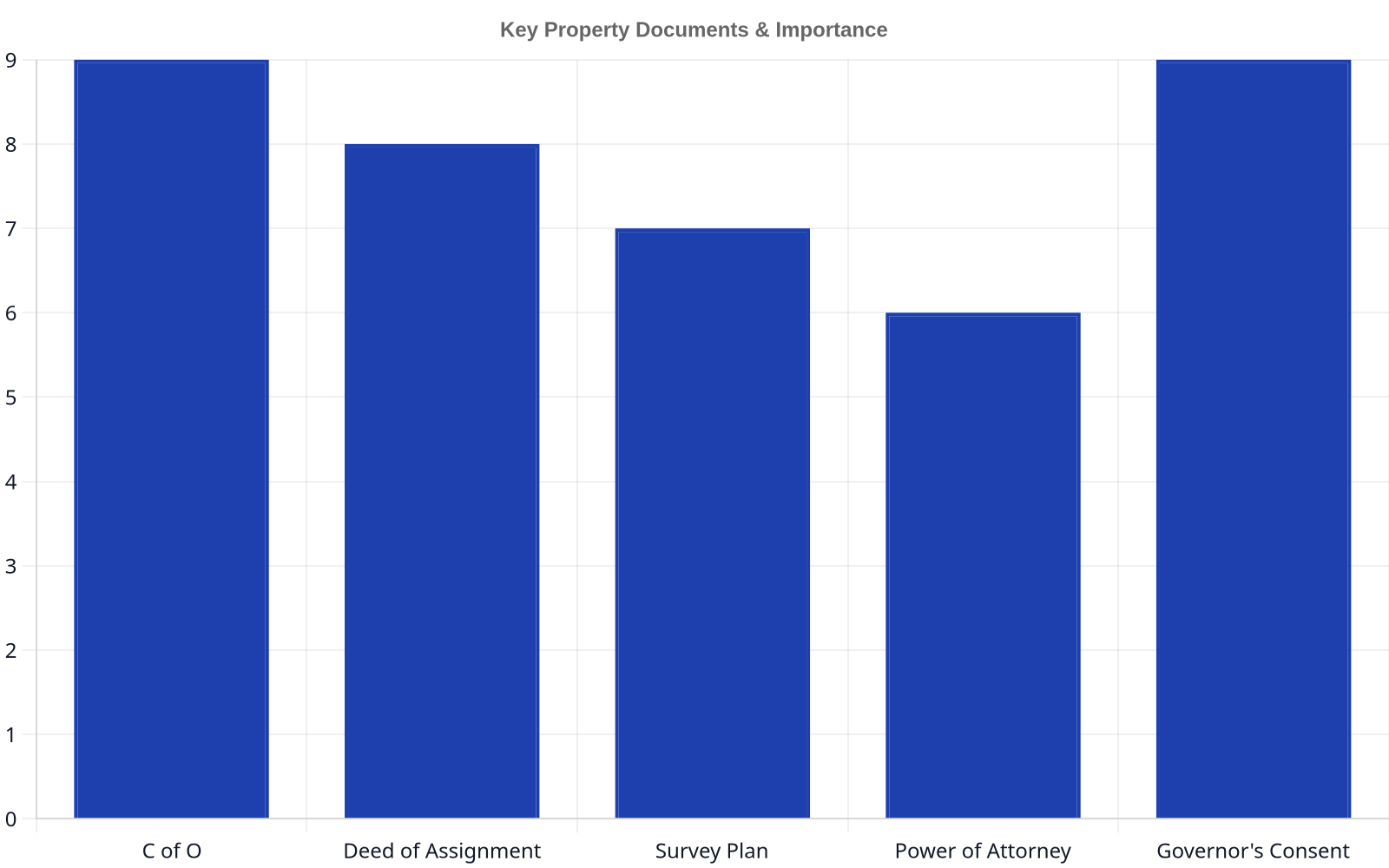
Your lawyer will conduct a search at the relevant state’s Lands Registry. In Lagos, for example, this search verifies the details in the seller’s title document (like a Certificate of Occupancy or Deed of Assignment) and checks for any registered encumbrances, such as a mortgage or a court judgment. They will also verify the property’s survey plan at the Surveyor General’s office to ensure the coordinates are correct and the land is free from government acquisition. According to report from the Nigeria Mortgage Refinance Company, perfecting title registration is a crucial step for securing housing finance and is a key part of formal ownership.
A property transaction within a family isn’t less risky, it’s just differently risky. The legal threats are compounded by emotional ones, and only a formal, documented process can mitigate both.
Navigating Legal Due Diligence
5. Governor’s Consent: The Overlooked Hurdle to Full Ownership
Under Nigeria’s Land Use Act of 1978, all land in a state is vested in the State Governor. For any transfer of land with a Certificate of Occupancy to be legally valid, it must have the Governor’s consent. Obtaining this consent is a formal process that involves submitting an application, including the Deed of Assignment and other documents, and paying the required fees.
Skipping this step to save money or time is a false economy. A Deed of Assignment without the Governor’s consent is an incomplete title. It is considered an “inchoate” or equitable interest, which is weaker than a full legal interest. It cannot be registered at the lands registry, and you will face major hurdles if you ever try to sell the property or use it as collateral for a loan. This step is mandatory, whether you are buying from a stranger or your own sibling.
Understanding the Costs Involved
6. Cultural Nuances and Family-Wide Communication
In Nigeria, property, especially ancestral land, is often seen as a collective family asset, even if the legal title is in one person’s name. Selling property to a family member without consulting key elders or other siblings can be perceived as a major sign of disrespect and can sow the seeds of future conflict.
While this is a cultural consideration, it has very real legal implications. A disgruntled family member could later emerge to challenge the sale, claiming it was done without their consent. To prevent this, it’s wise to have an open conversation with the wider family. In some cases, having other principal family members sign the Deed of Assignment as witnesses or even as “consenting parties” can provide an extra layer of protection against future disputes. Documenting this family consent is a smart legal strategy, especially for public and private companies acquiring land with complex family histories.
Red Flags to Watch for in a Family Property Deal
- Resistance to a Lawyer: If a family member says “we don’t need lawyers, we’re family,” that is the single biggest red flag. It suggests they either don’t understand the legal risks or they intend to exploit the informal nature of the deal.
- No Original Title Documents: Excuses like “the original C of O is lost” or “it’s with my brother in London” are major warnings. Without the original documents to inspect, you cannot verify the title.
- Pressure for a Quick Cash Payment: Urgency can be a tactic to prevent you from performing proper due diligence. Never be rushed into making a payment.
- Refusal to Sign a Formal Contract: A seller who will only accept payment but won’t sign a Deed of Assignment is not truly selling you the property. They are simply taking your money.
- The Property is Part of an Undivided Estate: If the selling family member has not gone through the process of probate to have the property legally vested in their name, they have no right to sell it.

Questions to Ask Before You Commit
- Can I see the original title document (e.g., Certificate of Occupancy, Deed of Assignment)?
- Has a professional estate surveyor and valuer provided a current valuation report?
- Do you have an approved and lodged survey plan for the property?
- Are you the sole legal owner, or is this property part of a joint inheritance?
- If it’s an inherited property, has the Letter of Administration or probate been granted?
- Are there any other family members who believe they have a claim to this property?
- Are you willing to have both of us represented by separate, independent lawyers?
- Will you sign a formal Contract of Sale and Deed of Assignment?
- Are there any existing tenants or occupants on the property?
- Are there any outstanding property taxes or land use charges?
- Are you prepared to go through the official process of obtaining the Governor’s Consent?
A Decision Framework for Buyers
Your approach to buying property from a family in Nigeria should be weighted by the nature of the property and your relationship. Use this as a guide:
- If the property is ancestral family land with no formal title: Prioritize #6 (Cultural Nuances) and #2 (Legal Documentation). Your biggest risk is disputes from other relatives. The goal is to create a new, clean title, which requires documenting the full family’s consent before proceeding with the legal transfer.
- If the seller is a distant relative or there’s a history of family disputes: Prioritize #3 (Independent Legal Counsel) and #4 (Due Diligence). Trust is low, so your legal protection must be high. Operate as if you are buying from a stranger.
- If you are a foreigner or expatriate buying from a Nigerian relative: Prioritize #5 (Governor’s Consent) and #4 (Due Diligence). Your primary goal is securing a perfect and defensible title that complies with all Nigerian laws, such as the Nigerian Investment Promotion Commission Act. Your status as a foreigner adds scrutiny, making every legal step critical.
- If the transaction is a gift, not a sale: Do not just accept the property. You must still execute a Deed of Gift and obtain Governor’s Consent to perfect your title. Nigeria’s tax laws on gifts and capital gains also apply, making a formal valuation important even when no money changes hands.
Buying property from family can strengthen bonds and build generational wealth. But doing it the wrong way can destroy both. A formal, transparent process managed by legal professionals isn’t a sign of distrust; it’s a mark of respect for the law and for your family.
Further reading
FAQ
What are the tax implications of buying property from a family member in Nigeria?
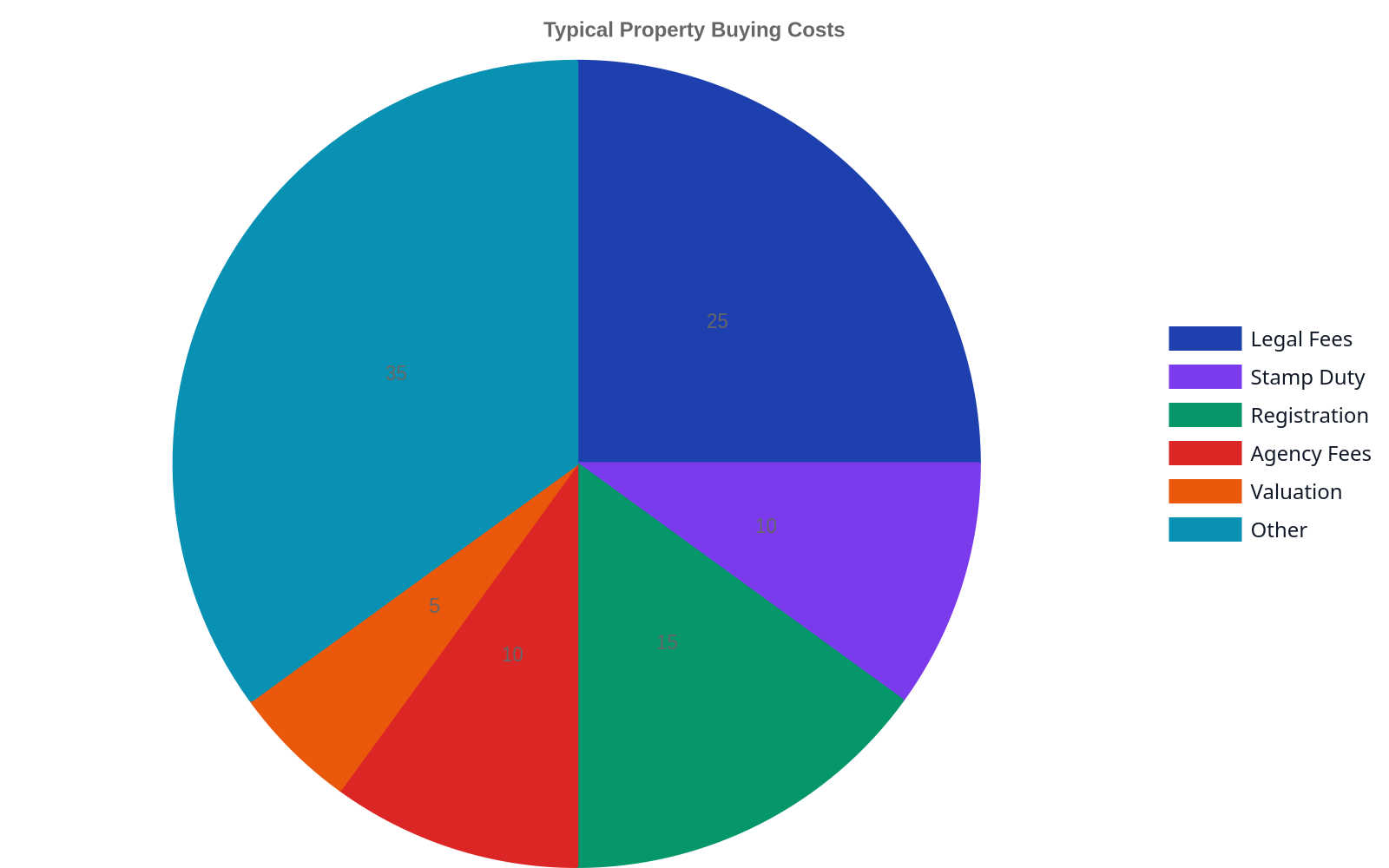
You will be liable for Capital Gains Tax (CGT), stamp duties, and registration fees, just as in any other property transaction. Even if the price is discounted, tax authorities may assess the property at its fair market value to calculate the taxes due. It is a mistake to assume a family deal is exempt from tax.
Can a foreigner buy land from a family member in Nigeria?
Yes, a foreigner can legally buy land from a family member. The process is the same as buying from any Nigerian citizen and requires a formal Deed of Assignment and obtaining the Governor’s Consent. There are no laws preventing a foreigner from acquiring land from a relative, provided the transaction is properly documented. We often assist foreign law firms whose clients are navigating these exact scenarios.
What happens if I buy property from a family member without a Deed of Assignment?
Without a Deed of Assignment, you have no legally recognized title to the property. You have only an equitable interest at best, which can be defeated by a later sale to another buyer who does register their deed. You cannot use the property as collateral, and you will be unable to sell it legally. You are also vulnerable to challenges from other family members.
How can I prevent future family disputes over the property?
The best prevention is a transparent process. Use a professional valuer, involve independent lawyers, sign a formal Deed of Assignment, and consider getting key family members to witness the document. Clear documentation and open communication are the most effective tools for preventing future misunderstandings and legal challenges.
Can I get a mortgage to buy property from a relative in Nigeria?
Yes, it is possible, but banks will be extra diligent. A financial institution will insist on a professional valuation, a registered title (or one that can be registered), and a perfectable Deed of Assignment. They will not finance a deal based on an informal agreement. The property must have a clean, legal title.
Related reading
- Nigerian Property Law: Navigating Title & Governor’s Consent
- 7 Steps to Trademark Registration in Nigeria.
About the author

Sandra Adeniran
Principal Partner
Adebola Adeniran is the Founding Partner of Ardnas Legal Practitioners. She is a dynamic and forward-thinking lawyer with a passion for providing innovative legal solutions to businesses and individuals. Adebola combines deep legal expertise with a practical, business-oriented approach, ensuring that clients receive advice that is both strategic and actionable.