

A cheetah is the fastest land animal alive, and it still loses most of its hunts. Speed alone doesn’t catch dinner; positioning, timing and knowing where the prey is headed matter more. Protecting a brand or a piece of software in Nigeria works the same way. Building something fast and distinctive gets you to the starting line. It does nothing to stop the next person who copies your logo, repackages your app, or walks off with “their share” of a company you built alone.
Founders tend to treat intellectual property as paperwork they’ll get to after the business works. That’s backwards. By the time a competitor is selling a near-identical product under a confusingly similar name, that paperwork is often what stands between you and a drawn-out legal fight.
How do you secure copyright protection for creative assets?
Nigeria’s copyright law covers literary works, music, films, broadcasts, sound recordings and artistic works, and protection runs for 70 years, administered by the Nigerian Copyright Commission. That is a long window. It covers a lot of what a creative business produces: a film script, a jingle, a game’s artwork, a photograph used in marketing.
Here’s what trips people up: copyright in Nigeria exists automatically the moment the work is created, the same way the Berne Convention framework works in other countries. No registration is needed to own it. The catch is proving it’s yours, and proving when you made it, if someone else claims the same work later. Registration with the Commission exists mainly for that evidentiary reason, not because the law demands it before protection starts.
The bigger problem sits with enforcement, not the law itself. Nigeria’s 2022 Copyright Act improved the rules governing copyrighted material, but enforcement by customs officials and law enforcement remains inconsistent with how often violations happen, according to the US government’s trade guide to Nigeria. Translation: having the right on paper and getting someone to act on it when it’s breached are two different battles. A software founder whose code gets lifted by a former contractor can rely on copyright law, but chasing it through to a result takes persistence most people underestimate going in.

The practical move is boring but effective: keep dated records, drafts, source code commits, contracts with collaborators, from day one. When a dispute lands, that paper trail does more work than any certificate.
File formal trademark applications through the commercial registry
A name or logo with no trademark filing is a name anyone can pick up once your business gets visible enough to copy. Trademark filings in Nigeria go through the Trademarks, Patents and Designs Registry, sitting inside the Commercial Law Department of the Federal Ministry of Industry, Trade and Investment, according to Global Law Experts’ guide for investors.
Before filing anything, an availability search checks whether your proposed mark is already taken or too close to an existing one. That search carries a statutory fee of ₦1,500, per the registry’s published fee schedule. Skip this step and you risk spending months building a brand around a name you can’t legally keep.
Filing the actual trademark application costs ₦16,749 as the initial statutory fee. If someone else tries to register a mark too similar to yours after it’s been advertised, you can file a notice of opposition to challenge it, which carries its own registry fee of ₦8,000.
The trade-off most founders miss: a quick, cheap search now is far less expensive than discovering two years in that a bigger competitor registered something similar first and can legally force you to rebrand. Filing early, even before the product fully launches, buys priority over whoever files next.
Register security charges on intellectual property under CAMA 2020
Companies can formally register a charge against goodwill or intellectual property, the same way they’d register a charge against land or equipment, under the Companies and Allied Matters Act 2020. This matters more than it sounds. If your company ever pledges its brand, patents or software as security for a loan or investment, that charge needs registering to be enforceable and visible to anyone else dealing with the company.
The law caps the registration, filing and release fees connected with this charge at a maximum of 0.35% of the charge’s value. That’s a ceiling, not a fixed cost, so the actual fee scales with how much the charge is worth.
Timing discipline, not cost. Where a charge affects property in Nigeria, a certified true copy of the instrument needs to reach the Commission within 90 days of its creation, and the same 90-day window applies when the charge involves property or an instrument created outside Nigeria. Miss that window and the registration can fail, leaving the charge unprotected even though the underlying agreement still exists. Founders raising investment on the strength of their IP assets need their lawyers tracking that clock from day one, not from whenever paperwork gets around to being filed.
When founders assume a verbal agreement protects ownership
A common failure point: two or three people build a product together, nobody writes down who owns what, and the business only works out ownership once it’s making money, or once someone leaves angry. Verbal understanding feels fine until it doesn’t.
The fix is a written assignment or ownership agreement signed before real work starts, stating plainly who owns the code, the brand, the design, and what happens if a co-founder exits. This isn’t a registry filing; it’s a contract between the people involved, but it’s the document that decides who even has standing to register anything later.
Picture three co-founders building a fintech app. One writes the backend, one designs the interface, one brings in capital but doesn’t touch the product. Without an agreement, the designer could later claim joint ownership of the whole product, not just the interface. A short assignment agreement signed at the start, stating the company owns all IP created by each founder in connection with the business, closes that gap before it becomes a dispute.
Registering patents and industrial designs protects function and form separately
A patent protects how something works; an industrial design protects how it looks. Nigerian founders building physical products, packaging, or distinctive hardware often confuse the two, filing for the wrong protection or assuming one filing covers both.
The mistake to avoid: treating a product’s visual packaging as covered by the same filing as its underlying mechanism. They’re different applications, filed through different categories, and a competitor can legally copy the look of your product while you only hold a patent on its function, or copy the mechanism while you only protected the design. Founders building both a proprietary device and distinctive packaging generally need separate filings for each.
Keep ownership records that match what the registries actually check
Before filing anything, look at what documents exist proving who created the work and when. Registries and courts care about dated evidence: signed contracts, commit histories, early design files, emails discussing the work before it existed publicly.
This matters because Nigeria’s IP system runs on multiple registries depending on the asset, copyright sits with the Nigerian Copyright Commission, trademarks and patents sit with the Trademarks, Patents and Designs Registry, and each one eventually asks for proof of origin if a dispute arises. A founder who can’t produce that proof, even holding a valid registration, weakens their own position in a dispute.
Comparing the main IP protections available to a Nigerian business
| Protection | Covers | Administering body | Needs registration to exist |
|---|---|---|---|
| Copyright | Literary works, music, film, broadcasts, sound recordings, artistic works | Nigerian Copyright Commission | No, automatic on creation; registration helps as evidence |
| Trademark | Brand names, logos, distinctive marks | Trademarks, Patents and Designs Registry | Yes, formal filing required for registered rights |
| Security charge on IP | Goodwill or IP pledged as collateral | Corporate Affairs Commission (under CAMA 2020) | Yes, must be registered within the stated time window |
A worked example: a Lagos fashion label designs a print pattern, builds a logo, and later takes a loan using the brand as collateral. The pattern and artwork sit under copyright automatically. The logo needs a trademark filing to stop competitors using something similar. The loan agreement needs the charge against the brand registered with the Commission within the 90-day window, or the lender’s claim over that brand isn’t properly secured if the business runs into trouble.
Checking what a competitor has already filed before you build further
Run a search against the existing register before investing more money in a name, logo or product line, not after a competitor sends a cease-and-desist. This is the same availability search described earlier for trademarks, but the habit matters beyond the first filing: new product lines, sub-brands, and expansions all deserve the same check.
A furniture brand expanding into a new product category, say launching a mattress line under a name close to an existing registered mark, could spend months on packaging and marketing before discovering the clash. A quick search against the register before committing budget avoids that.
Skipping this check doesn’t just risk a rebrand. It risks a dispute with a business that already holds registered rights, and those disputes rarely resolve quickly or cheaply once they start.
Frequently Asked Questions
Do I need to register copyright in Nigeria before I’m protected?
No. Copyright exists automatically once a work is created, under the framework the Nigerian Copyright Commission administers. Registration isn’t a precondition for protection; it exists to give you stronger evidence of ownership if a dispute arises later.
What’s the first thing to do before registering a trademark?
Run an availability search against the register first. It checks whether your proposed name or logo is already taken or too similar to an existing mark, and it’s cheaper and faster than discovering the clash after you’ve filed and built a brand around it.
Can I lose my intellectual property if I don’t register anything?
You can lose the practical ability to stop others using it, even where copyright exists automatically. Trademarks specifically need formal registration to give you enforceable rights against someone using a similar mark. Unregistered brands are far harder to defend once a dispute starts.
What happens if I pledge my brand or software as loan security?
That arrangement needs registering as a charge with the Corporate Affairs Commission under the Companies and Allied Matters Act 2020, within the stated 90-day window for delivering the certified instrument. Missing that window can leave the charge unregistered and the lender’s claim over the asset weaker than intended.
Intellectual property in Nigeria rewards the founder who registers early and documents everything, not the one who moves fastest without covering the basics. If you’re building a product, brand or software asset worth protecting, get the filings and agreements in place before a dispute forces the issue. Book a call with Ardnas Legal and we’ll walk through what needs registering, in what order, and what’s already exposed.
About the author
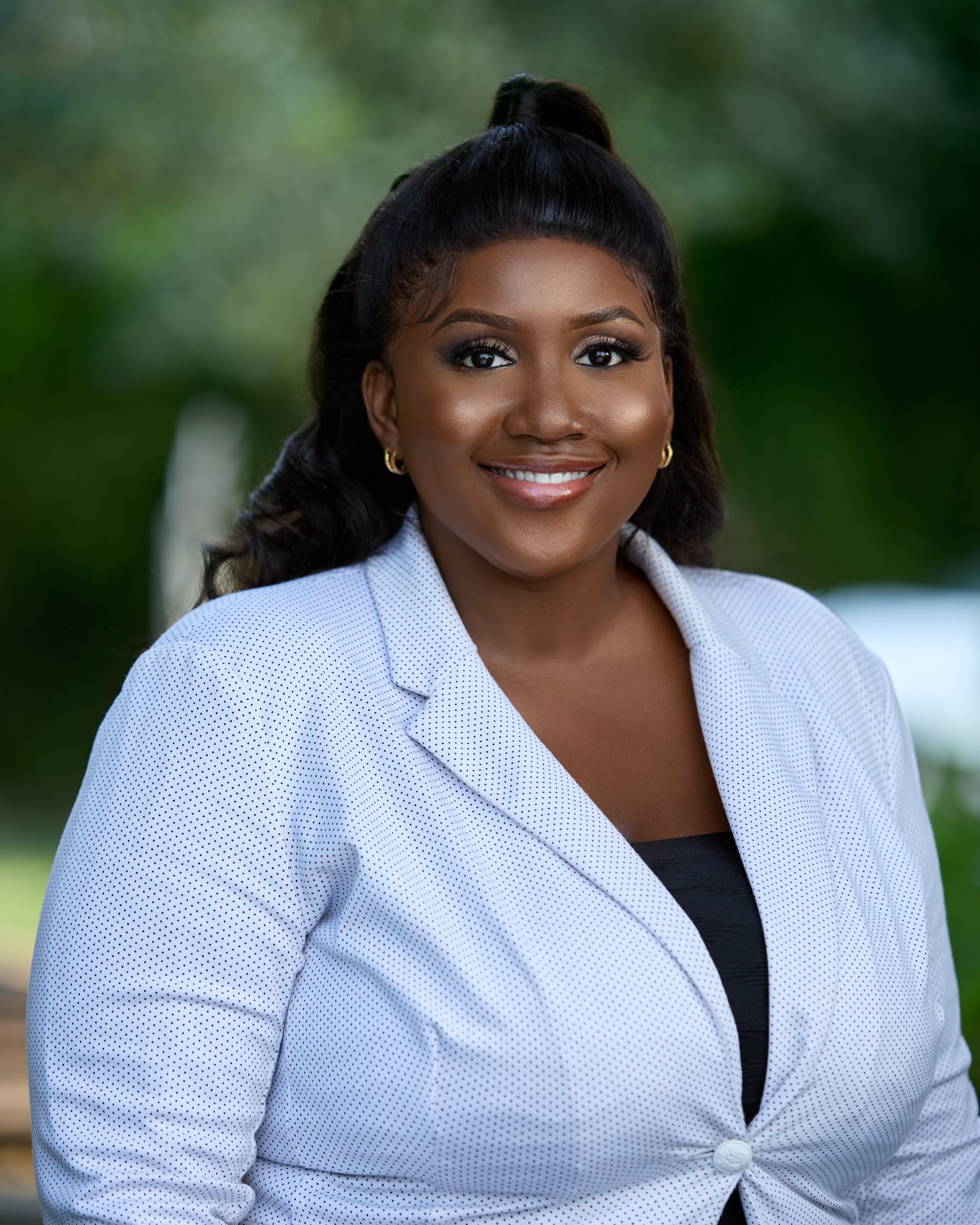
Sandra Adeniran
Principal Partner
Adebola Adeniran is the Founding Partner of Ardnas Legal Practitioners. She is a dynamic and forward-thinking lawyer with a passion for providing innovative legal solutions to businesses and individuals. Adebola combines deep legal expertise with a practical, business-oriented approach, ensuring that clients receive advice that is both strategic and actionable.