

Is your corporate legal strategy built for the world of 2023? If so, it’s already obsolete. The ground beneath corporate law is not just shifting; it’s undergoing a tectonic upheaval driven by technology, regulation, and global economic pressures. By 2026, the critical new corporate law trends will revolve around the mandatory integration of artificial intelligence for efficiency, a massive expansion of ESG (Environmental, Social, and Governance) compliance, and navigating increasingly complex cybersecurity and data privacy regulations, such as Nigeria’s NDPA. These are not future hypotheticals; they are active, present-day forces demanding immediate strategic realignment from every general counsel and corporate board.

The Great Disconnect: Aligning Legal with C-Suite Expectations
There is a dangerous perception gap between the C-Suite and the corporate legal department. While legal teams are working harder than ever to manage risk and ensure compliance, their contributions are often misunderstood or undervalued by executive leadership. A staggering 86% of General Counsels believe their function is aligned with business objectives, yet a separate study found that only 17% of C-Suite executives see their legal departments as true business partners. This chasm is one of the most significant challenges for in-house legal teams heading into 2026.
Moving from Cost Center to Value Driver
For too long, the corporate legal department has been viewed as a cost center, a necessary function that consumes resources without directly generating revenue. This perception is a relic of a bygone era. The modern legal department is, or should be, a strategic asset. By proactively identifying regulatory opportunities, mitigating risks before they materialize, and streamlining contract lifecycles, legal teams can directly impact profitability. In our Corporate & Commercial Law practice, we consistently advise clients on how to structure their legal operations to demonstrate tangible ROI, turning legal counsel from a defensive necessity into a competitive advantage.
Speaking the Language of Business: Metrics and KPIs
To bridge the perception gap, legal departments must learn to communicate their value in the language the C-Suite understands: data. Vague assurances of “risk mitigation” are no longer sufficient. General Counsels must adopt and report on key performance indicators (KPIs) that quantify their department’s efficiency and impact. Metrics such as contract cycle time, litigation spend versus budget, cost per transaction, and the number of compliance issues averted are powerful tools. By presenting a data-backed narrative of performance, legal leaders can shift the conversation from cost to value, proving their department’s strategic importance.
The Challenge of Limited Resources
The pressure to do more with less is universal, and corporate legal departments are no exception. Rising workloads, expanding regulatory complexity, and flat or shrinking budgets create a perfect storm. Nearly half of GCs surveyed admit to facing significant resource constraints. This is precisely where targeted technology adoption, particularly AI, becomes a strategic imperative. Automating routine tasks like document review and contract analysis frees up experienced lawyers to focus on high-value strategic work, a core tenet of building a resilient legal function for 2026.
The AI Acceleration in Corporate Legal Operations
The theoretical discussions about artificial intelligence in law are over. For corporate legal departments in 2026, AI adoption is not a matter of if, but how fast and how effectively. From generative AI for first-draft creation to predictive analytics for litigation outcomes, technology is becoming the central nervous system of efficient legal operations. Ignoring this trend is not just falling behind; it’s functional negligence.
The lawyer of 2026 will not be replaced by AI, but they will be replaced by a lawyer who uses AI effectively. Resistance is not a strategy; it is a liability.
From Manual Review to AI-Powered Analysis
Consider the due diligence process in a corporate merger or acquisition. Traditionally, this involved teams of junior lawyers manually reviewing thousands of documents, a process that was both time-consuming and prone to human error. Today, AI-powered platforms can analyze these documents in a fraction of the time, flagging risks, identifying non-standard clauses, and even summarizing key terms. This allows senior counsel to focus on strategic negotiation and risk assessment rather than getting bogged down in low-level review. This efficiency is critical for firms in every sector, but especially in complex, high-stakes fields where our Oil & Gas law practice operates, where M&A due diligence can be incredibly dense.
Generative AI and the First Draft
Generative AI tools, like those based on large language models, are transforming how legal documents are created. These systems can produce solid first drafts of contracts, policies, and legal memos based on specific prompts and internal templates. This doesn’t eliminate the need for expert human oversight. Instead, it reframes the lawyer’s role from a drafter to a strategic editor and validator. This “human-in-the-loop” approach significantly speeds up workflows and ensures consistency across the organization. This technological shift has profound implications for our Intellectual Property & Technology law practice, as we help clients navigate the legalities of implementing and using AI tools.

Predictive Analytics in Litigation and Risk Management
Another powerful application of AI is in the realm of predictive analytics. By analyzing vast datasets of past case law and judicial decisions, these tools can forecast potential litigation outcomes, estimate potential damages, and identify the most effective legal arguments. This data-driven approach allows General Counsels to make more informed decisions about whether to settle or litigate a case, allocate resources more effectively, and proactively manage the company’s overall risk profile. Report, companies that adopt a data-driven approach to legal matters report higher levels of satisfaction with outcomes and better cost control.
The Rise of ESG and Sustainable Finance Regulations

Environmental, Social, and Governance (ESG) has evolved from a niche corporate social responsibility initiative into a primary driver of corporate strategy and a major area of legal risk. By 2026, robust ESG compliance and reporting will be non-negotiable for any company seeking access to global capital markets or maintaining a positive public image. Stakeholders, from investors to consumers, are demanding transparency and accountability on ESG metrics.
Mandatory ESG Reporting and Disclosure
Jurisdictions around the world, including emerging frameworks in Africa, are moving towards mandatory ESG disclosure. Companies will be legally required to report on everything from their carbon footprint and water usage to their diversity and inclusion metrics and supply chain labor practices. This requires a sophisticated data collection and verification process, overseen by the legal department to ensure accuracy and compliance with a patchwork of international standards, such as those from the International Sustainability Standards Board (ISSB). Failure to comply can result in regulatory penalties, investor lawsuits, and severe reputational damage.
“Greenwashing” and Litigation Risk
As ESG reporting becomes more prevalent, so does the risk of “greenwashing”making false or misleading claims about a company’s environmental or social credentials. Regulators and activist shareholders are aggressively targeting companies for greenwashing, leading to a new wave of litigation. The legal department’s role is to scrutinize every public statement, marketing campaign, and corporate report to ensure that all ESG-related claims are substantiated with verifiable data. This proactive legal review is essential to mitigate the growing risk of costly litigation and reputational harm.
Navigating Data Privacy and Cybersecurity Laws
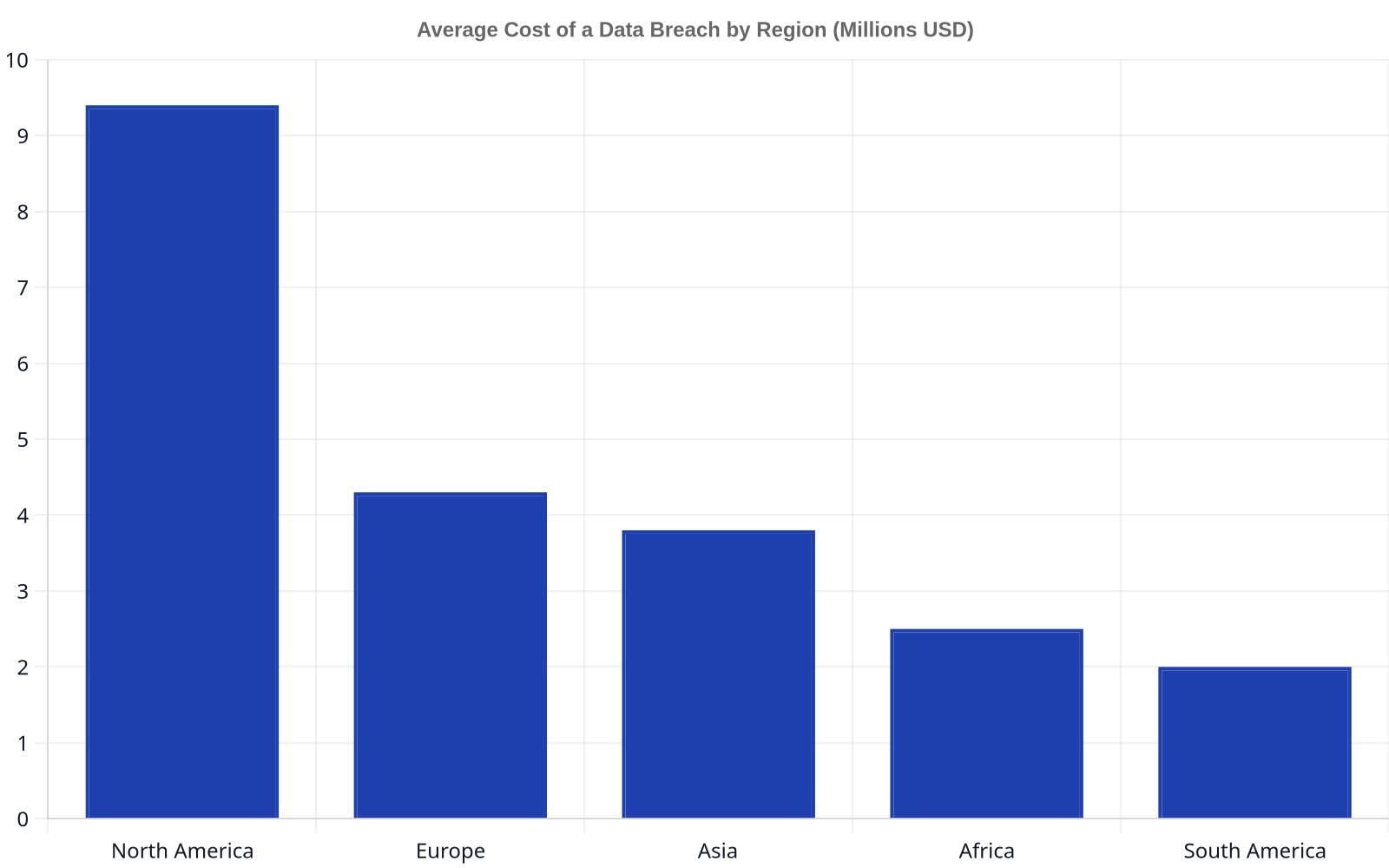
The digital economy runs on data, making its protection a paramount concern for corporate legal departments. The legal landscape for data privacy and cybersecurity is becoming more complex and punitive. In Nigeria, the Nigeria Data Protection Act (NDPA) 2023 has established a framework similar in principle to Europe’s GDPR, imposing significant obligations on companies that process the personal data of Nigerian citizens. By 2026, enforcement will be in full swing, and the financial and reputational costs of non-compliance will be substantial.
The Expanding Scope of Data Protection
The definition of “personal data” is continually expanding, and regulations like the NDPA have extraterritorial reach, applying to any organization that processes the data of Nigerians, regardless of where the company is based. Corporate legal teams must conduct thorough data mapping exercises to understand what data they collect, where it is stored, and who has access to it. This forms the foundation of a compliant privacy program, which includes drafting clear privacy policies, managing data subject access requests, and implementing robust data processing agreements with vendors.
In the digital economy, a data breach is not just a technical failure; it is a corporate governance crisis. The legal department must lead the response, not just clean up the aftermath.
Cybersecurity as a Fiduciary Duty
Regulators and courts are increasingly viewing cybersecurity as a core responsibility of the board of directors. A failure to implement adequate cybersecurity measures can be seen as a breach of fiduciary duty, exposing directors and officers to personal liability. Legal departments must work closely with IT to develop and implement a comprehensive cybersecurity program that includes regular risk assessments, employee training, and an incident response plan. Ashighlights, the global nature of cyber threats requires a globally coordinated and legally sound response.
Blockchain, Smart Contracts, and the Future of Transactions
While still an emerging area, the impact of blockchain technology and smart contracts on corporate law is undeniable and will be significantly more pronounced by 2026. These technologies offer a way to create self-executing, tamper-proof agreements that can automate a wide range of business processes, from supply chain management to royalty payments. As a firm with a deep practice in Corporate & Commercial Law, we are actively guiding clients through the novel legal questions these technologies present.
Smart Contracts: Automation and Enforceability
A smart contract is essentially a piece of code that automatically executes the terms of an agreement when certain conditions are met. For example, a smart contract could automatically release payment to a supplier once a shipment is verified as delivered by an IoT sensor. This has the potential to drastically reduce transaction costs and disputes. However, it also raises complex legal questions about enforceability, liability for coding errors, and how to handle disputes when there is no traditional legal text to interpret.
Comparison of Traditional vs. Smart Contracts
| Feature | Traditional Contract | Smart Contract |
|---|---|---|
| Execution | Manual; relies on parties to perform. | Automated; self-executing code. |
| Record | Paper or digital document, often held centrally. | Immutable, distributed ledger (blockchain). |
| Trust | Relies on legal system and reputation. | Relies on cryptographic certainty of the code. |
| Dispute Resolution | Litigation, arbitration, mediation. | Often requires pre-defined coded resolution or off-chain legal intervention. |
| Modification | Can be amended by mutual agreement. | Difficult or impossible to alter once deployed. |
The Legal Framework for Digital Assets
Beyond smart contracts, the rise of digital assets, including cryptocurrencies and non-fungible tokens (NFTs), presents another frontier for corporate law. Companies are beginning to hold digital assets on their balance sheets, use them for transactions, and incorporate them into their business models. This requires legal guidance on a host of issues, including custody, taxation, securities law compliance, and anti-money laundering (AML) regulations. As a firm that helps clients protect their brand, our work in intellectual property and technology law is increasingly intersecting with the digital asset space.

The Evolving Role of Outside Counsel
The relationship between corporate legal departments and their external law firms is also transforming. The traditional model of outsourcing entire matters is giving way to a more strategic, disaggregated approach. Companies are using a mix of traditional firms, alternative legal service providers (ALSPs), and technology to create a more cost-effective and efficient external legal supply chain.
From Full-Service Retainer to “Right-Sourcing”
Instead of relying on a single law firm for all their needs, savvy General Counsels are “right-sourcing” legal work. This means breaking down legal matters into their component parts and sending each part to the most appropriate and cost-effective provider. High-stakes strategic advice might still go to a premier law firm, routine contract review might be handled by an ALSP, and e-discovery might be managed using a specialized technology platform. This unbundling of legal services is a major trend driven by client demand for greater value and cost predictability.
Data-Driven Evaluation of Law Firms
How do you choose the right firm for the right task? The decision is increasingly data-driven. Legal departments are now using sophisticated analytics to track the performance of their outside counsel. They are evaluating firms based on metrics like billing rates, matter outcomes, budget adherence, and efficiency. This data allows them to build a panel of preferred providers who have a proven track record of delivering value, moving beyond relationships and reputation to a model based on empirical performance.
FAQ
What is the most significant new corporate law trend for 2026?
The most significant trend is the mandatory integration of technology, especially AI, into legal operations. This is not just about efficiency; it’s about survival. Legal departments that fail to adopt AI for tasks like contract review and legal research will be unable to keep pace with business demands and will deliver inferior, slower, and more expensive results compared to their tech-enabled peers.
How is ESG impacting corporate legal departments in Nigeria?
ESG is creating a new and complex compliance burden. While mandatory reporting frameworks are still solidifying in Nigeria, global investor pressure is already here. Legal departments must advise boards on international standards, manage risks of “greenwashing” in public statements, and build internal systems to track and verify ESG data across the company’s operations, from supply chains to human resources.
Will AI replace corporate lawyers?
No, AI will not replace corporate lawyers. However, it will fundamentally change their roles. AI will automate repetitive, low-value tasks, freeing up lawyers to focus on strategic advice, complex negotiations, and novel legal challenges. Lawyers who learn to use AI as a tool will become far more effective and valuable than those who resist the change.
What is a “smart contract” and is it legally binding?
A smart contract is a computer program that automatically executes the terms of an agreement. Its legal status can be complex. While the underlying agreement it represents may be legally binding, the code itself is not a traditional contract. Enforceability depends on the jurisdiction and the specific facts. In Nigeria, the legal framework is still developing, and parties using smart contracts should have a traditional legal agreement sitting alongside it to govern disputes and interpretation.
How can a legal department prove its value to the C-Suite?
By using data and metrics. Legal departments must move beyond qualitative descriptions of their work and adopt Key Performance Indicators (KPIs). Track metrics like contract cycle time, legal spend as a percentage of revenue, and the cost of resolving disputes. Presenting this data in regular reports to the C-Suite translates legal work into the language of business: efficiency, cost-savings, and measurable value.
As we look toward 2026, the message is clear: the corporate legal function must evolve or risk irrelevance. The new corporate law trends 2026 demand a proactive, technology-fluent, and business-aligned approach. At Ardnas Legal, we are committed to helping our clients navigate this new landscape, providing the strategic counsel needed to turn these challenges into opportunities for growth and resilience. If you are re-evaluating your corporate legal strategy, we invite you to start a conversation with our team.
Related reading
About the author

Sandra Adeniran
Principal Partner
Adebola Adeniran is the Founding Partner of Ardnas Legal Practitioners. She is a dynamic and forward-thinking lawyer with a passion for providing innovative legal solutions to businesses and individuals. Adebola combines deep legal expertise with a practical, business-oriented approach, ensuring that clients receive advice that is both strategic and actionable.