

A photograph proves nothing about ownership unless you can show when and where it was taken. Copyright works the same way. Your song, your codebase, your logo exists in law the moment you create it, but proving that in front of a judge, a platform, or a buyer is a different problem entirely. Registration is how you solve the second problem.
By the end of this, you’ll know what registering a copyright actually buys you in Nigeria, which works qualify, what documents the Nigerian Copyright Commission asks for, and where people commonly trip themselves up.
Prerequisites
- A finished creative work (literary, musical, artistic, audiovisual, sound recording, or broadcast)
- Proof of when the work was made and in what format
- Contact and ownership details for every author or co-owner
- A digital copy of the work ready to upload
Why should you register your creative work if protection is automatic?
Nigerian copyright law doesn’t wait for paperwork. The Copyright Act is explicit that eligibility “shall not be subject to any formality including registration,” according to the bill text published by the National Assembly. Write the song, finish the short film, commit the code, and copyright already belongs to you.
So why bother registering at all?
Because automatic protection and provable protection are two different things. Nobody disputes that your work was protected from the day you made it. People dispute whether it was You who made it, and when. Without a dated, verifiable record sitting with a government body, you’re relying on screenshots, email timestamps, and whatever else you can scrape together to convince a court or a platform that the work is yours.
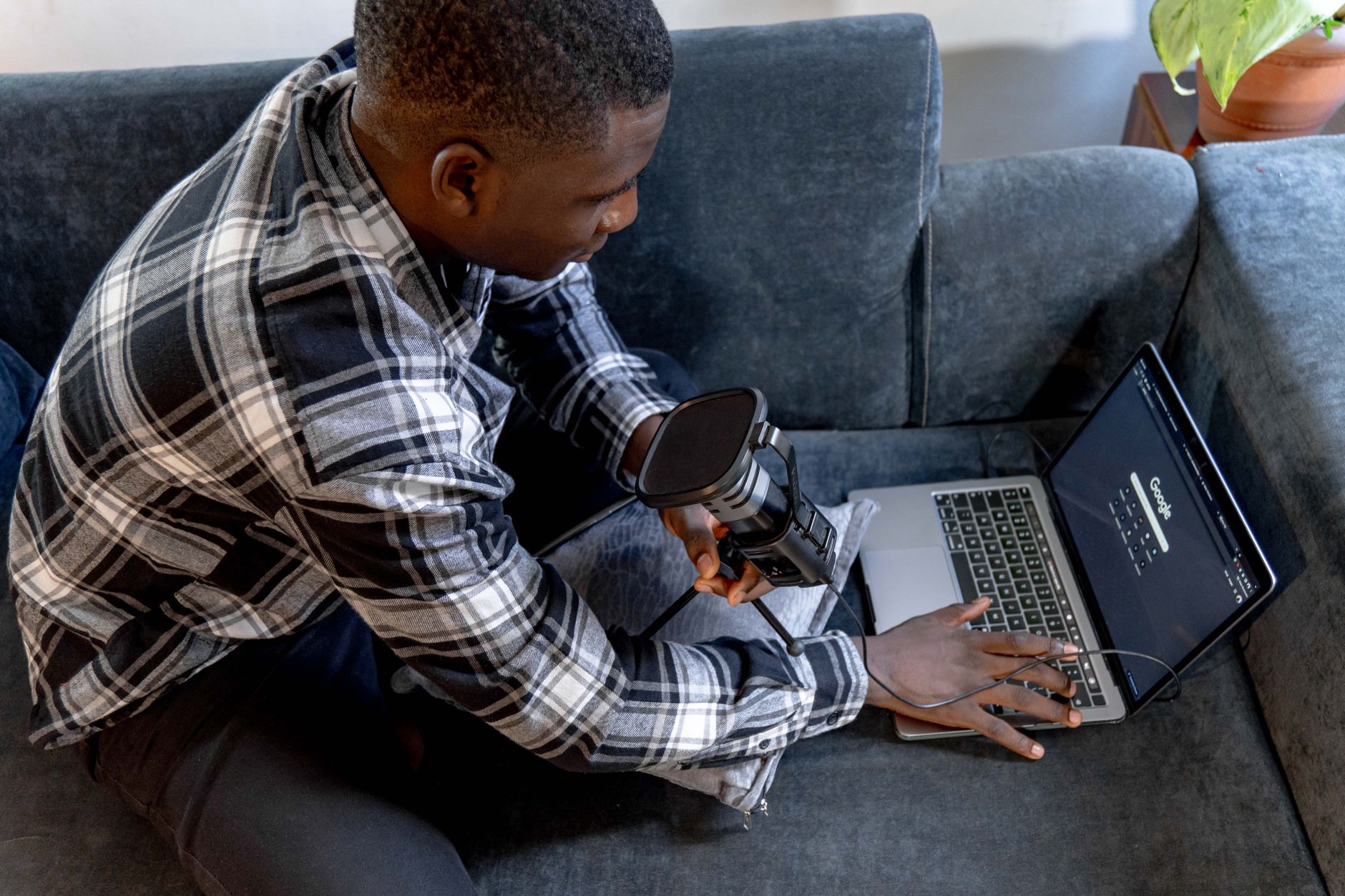
That’s the trade-off. Registration costs you time and a filing fee instead of nothing. In exchange, you get a document the Nigerian Copyright Commission issued, with your name on it, tied to a specific work, on a specific date. If someone else uploads your beat to a streaming platform next month, or forks your app and sells it as their own, that certificate does the heavy lifting a verbal claim never could.
Understand which creative categories qualify for formal protection
Not everything you make gets the same treatment. Nigeria’s Copyright Act 2022 sets out specific categories eligible for protection: literary, musical, artistic, audiovisual works, sound recordings, and broadcasts, each running for the life of the author plus 70 years where the author is identified, according to a summary of the Act’s provisions. That’s a long runway, longer than most business plans, let alone most platform disputes.
The filing system reflects this. When you register online, you’re required to pick a category, literary, musical, artistic, audiovisual, or sound recording, as laid out in the Commission’s own filing guidance. This isn’t a throwaway field. It determines how the work is filed, searched, and referenced if a dispute lands in court.
For a developer, this matters more than it first seems. Source code generally sits under literary works, a classification most non-lawyers wouldn’t guess. A music video straddles audiovisual and musical categories depending on what’s actually in dispute, the visuals or the song. Picking the wrong category doesn’t void your copyright, but it can slow down how convincingly your registration supports a claim later. If you’re unsure which bucket your work falls into, that’s worth confirming with an NBA-licensed lawyer before you file, not after someone’s already copied it.
Assemble your documentation before filing with the registry
The Commission’s intake form doesn’t ask for anything exotic, but it does ask for specifics, and vague answers here create problems later. You’ll need your full name, address, email, phone number, and applicant status, exactly as listed in the registration help documentation. If you’re applying as a company rather than an individual, that status field matters.
Beyond your own details, the form wants the medium of fixation, meaning the format the work exists in, and the year it was created, alongside a deposit copy submitted directly to the Commission.
Think about what that combination is doing. Medium plus year plus a physical or digital copy creates a timestamped, evidentiary chain. If you’re a developer registering software, that deposit copy is often a redacted version of your codebase or a build, not the whole repository. Get this wrong, submit an incomplete or mismatched file, and you’ve created a record that doesn’t actually match what you’re trying to protect.
Submit your online application to obtain a certificate of registration
Here’s a detail that catches people out. The certificate of registration, the actual document you’ll need in a dispute, doesn’t always go to you. If you supply an agent’s contact details on the application, the Commission sends the certificate and all related correspondence straight to that agent instead of to the named author or copyright owner, per the eregistration help guidance.
For a solo creator filing their own work, this is a non-issue. But founders who hand registration off to a staff member, a consultant, or a lawyer need to think about who actually ends up holding the paperwork. If that agent leaves the company, loses the document, or simply isn’t reachable when you need proof fast, you’ve added a step between you and your own evidence.
The fix is straightforward: only list an agent if you have a reason to, and if you do, make sure there’s a clear internal record of where the certificate physically sits once it arrives. Once you’ve logged into the system, following account activation, you file the application itself, according to the Commission’s step-by-step guidance. That’s the stage where all the groundwork from the previous steps gets submitted as one package.
Step-by-step guide to registering your copyright

Filing isn’t a single click. It runs through sequential stages: account activation, logging in, completing the applicant and work details, uploading the deposit copy, and submitting for the Commission’s review. Each stage depends on the one before it being complete, which is why assembling your documentation first saves you from stalling halfway through an online form.
What registration gives you that automatic protection doesn’t
The fix here is documentary weight, and it comes down to one thing: a government-issued record with a date on it. The mistake people make is assuming that because protection is automatic, registration is optional paperwork with no real function.
It isn’t paperwork for its own sake. A registration certificate becomes the first thing you produce when a platform takedown request needs backing, when a licensing negotiation needs proof you own what you’re licensing, or when a dispute ends up in front of a tribunal. Without it, you’re reconstructing a timeline from scattered digital traces, hoping they’re convincing enough.
The error that trips up most creators is treating registration as something to do after a problem appears. By then, you’re racing to register a work that’s already being disputed, which undercuts the very evidence you’re trying to build. Registration works best as a routine step taken when a work is finished, not as emergency triage once someone else has already uploaded your track or cloned your app.
Where ownership disputes actually get decided
Look at where copyright disputes land before you decide registration doesn’t matter to you. They don’t get resolved on social media, whatever the public argument looks like. They get resolved in front of a dispute resolution panel or a court, where the question isn’t who shouted loudest online but who can produce verifiable proof of authorship and date of creation.
This is why the registration categories matter as much as they do. A sound recording and the musical composition inside it are treated as separate rights under Nigerian law. If you’re a producer and the vocalist both claim the same track, the category each of you registered under, and what the deposit copy actually shows, becomes central to how that dispute gets untangled.
Software founders face a sharper version of this problem. Code changes constantly. A deposit copy filed in 2024 won’t reflect a product rebuilt in 2026. If your platform has gone through two full rewrites since you first registered, your registered deposit copy may no longer match what a competitor is accused of copying. That gap is exactly where a dispute can stall, because the registered evidence and the current product have drifted apart.
A worked example: two creators, one dispute
Picture two situations side by side. A photographer uploads a brand campaign’s images to a personal portfolio site the same week they’re shot, with no registration filed. A videographer, doing similar commercial work, registers the raw footage and final cut with the Commission shortly after delivery, listing the year of creation and medium of fixation as required.
Six months later, both discover their work reused without permission, on unrelated marketing material. The photographer has upload timestamps and an email thread with the client. The videographer has a certificate from the Commission, tied to a specific deposit copy, a specific date, and a specific category of work.
Neither creator is wrong about ownership. Copyright attached to both the moment the work was made, under the exemption confirmed in the Act. But one of them is handing a lawyer, or a platform’s rights team, a document that answers the ownership question outright. The other is handing over a pile of circumstantial material and hoping it’s persuasive enough.
That’s the entire case for registration in one comparison. It doesn’t create the right. It makes the right provable, quickly, to someone who has no reason to simply take your word for it.
Troubleshooting
Your deposit copy doesn’t match the current version of your work. File an updated registration when a work changes substantially, particularly for software that’s been rebuilt or re-released.
You listed an agent and lost track of the certificate. Contact the agent directly first; if they’re unreachable, you may need to apply again with your own details as the primary contact.
You’re unsure which category your work falls under. Don’t guess on a form with legal consequences. Get it confirmed before submission rather than after a dispute forces the question.
Frequently Asked Questions
Does copyright exist in Nigeria without registration?
Yes. Nigerian law doesn’t make copyright depend on any formality, including registration, so protection attaches automatically once a qualifying work is created, as confirmed in the Copyright Act provisions. Registration adds proof; it doesn’t create the right.
What categories of work can be registered?
Literary, musical, artistic, audiovisual works, sound recordings, and broadcasts all qualify, and the online filing system requires you to select one of these categories when applying, per the Commission’s guidance.
How long does copyright protection last in Nigeria?
For works with an identified author, protection runs for the life of the author plus 70 years, according to the Copyright Act 2022 summary. Works without a named individual author may be treated differently; confirm the specifics with a lawyer if your work falls into that category.
Who receives the certificate of registration?
The named copyright owner receives it, unless an agent’s contact details were listed on the application, in which case the certificate and related correspondence go to the agent instead, as stated in the eregistration help documentation.
Is registering a copyright the same as registering a trademark?
No. Copyright protects the creative work itself, a song, a design, a piece of software, while a trademark protects a name, logo, or brand identifier used to distinguish goods or services. If you’re trying to work out which one applies to you, our comparison of trademark and copyright protection breaks down the difference in more detail.
Registering your copyright won’t stop someone from copying your work, nothing fully does that, but it decides how fast and how convincingly you can act once it happens. Skip it, and you’re building your case from scratch at the worst possible moment, usually while the infringing version is still live and earning someone else money. If you’re sitting on finished creative or commercial work with no registration behind it, that’s the gap to close now, not after a dispute forces your hand.
Talk to our team at Ardnas Legal about getting your copyright registration filed correctly the first time.
This article is general information only and is not legal advice. It does not take account of your particular circumstances. You should obtain advice specific to your situation before acting.
About the author

Sandra Adeniran
Principal Partner
Adebola Adeniran is the Founding Partner of Ardnas Legal Practitioners. She is a dynamic and forward-thinking lawyer with a passion for providing innovative legal solutions to businesses and individuals. Adebola combines deep legal expertise with a practical, business-oriented approach, ensuring that clients receive advice that is both strategic and actionable.