

Understanding Lease Agreements in Nigeria: A Comprehensive 2026 Guide
A lease agreement in Nigeria is a legally binding contract granting exclusive possession of a property from a landlord (lessor) to a tenant (lessee) for a fixed term, typically exceeding three years, in exchange for rent. It is distinct from a tenancy, which covers shorter periods. A proper understanding of lease agreements is critical because they define the precise rights, obligations, and remedies for both parties, creating a stable framework for long-term property use and preventing future disputes.
Thinking of a lease as merely a ‘rent receipt’ for a long period is a fundamental error. It is better viewed as a detailed business partnership agreement concerning a specific asset. Every clause, from rent reviews to repair obligations, shapes the relationship’s financial and operational future. Our experience with diverse property transactions confirms that the most contentious disputes arise not from malice, but from ambiguity left unresolved in the initial document.
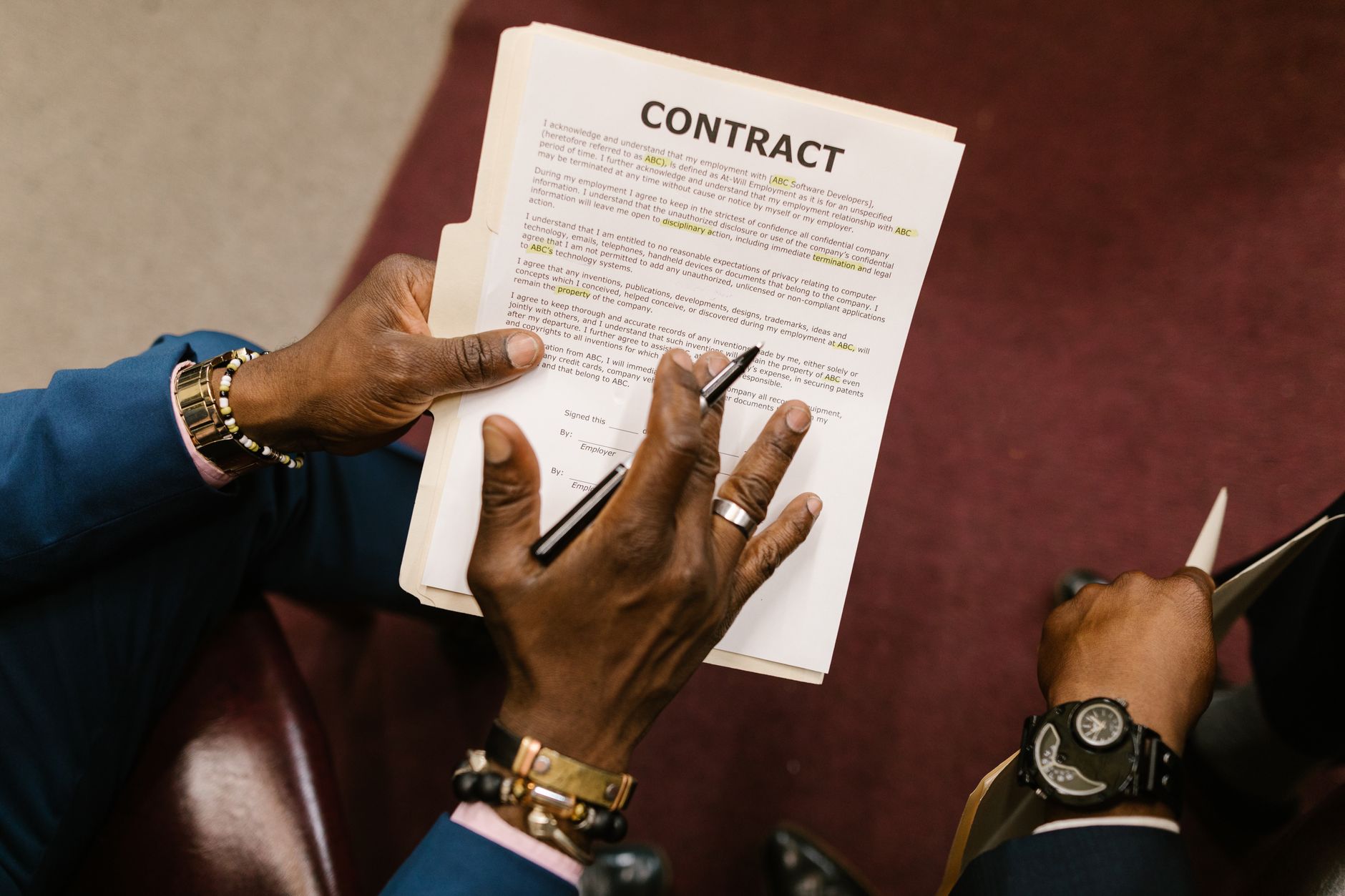
What Defines a Lease Agreement in Nigeria?


A lease is a legal instrument that creates an interest in land for a fixed period. The owner of the land or property (the Lessor) grants another person (the Lessee) the right to exclusive possession of the property for a defined duration, in exchange for a payment known as rent. This transfer of interest, not ownership, is the core of the leasehold relationship.
The Critical Distinction: Lease vs. Tenancy
The primary difference between a lease and a tenancy in Nigeria lies in the duration. A tenancy agreement is generally for a shorter term, such as monthly, quarterly, semi-annually, or annually. In contrast, a lease is specifically for a term that is certain and exceeding 3 years. This distinction is crucial because it affects the nature of the interest created, the applicable legal procedures for termination, and registration requirements.
While a tenancy grants possession, a lease grants a legal interest in the property for the duration of the term. This makes the lessee’s rights more robust and secure, provided the lease is properly documented and, where required, registered.
The Parties: Lessor and Lessee
Correctly identifying the parties is the first step in any valid lease.
- The Lessor (Landlord): This is the person or entity who holds legal title to the property and is granting the lease. The lessor must have the legal capacity and authority to grant the lease for the specified term.
- The Lessee (Tenant): This is the person or entity who is granted exclusive possession of the property under the terms of the lease. The lessee must also have the legal capacity to enter into the contract.
For companies, this involves ensuring the act of entering the lease is within their corporate powers, a process simplified under Section 43 of the Companies and Allied Matters Act 2020, which gives companies the powers of a natural person.
The Legal Framework for Lease Agreements
Lease agreements in Nigeria do not exist in a vacuum. They are governed by a combination of federal and state laws, as well as common law principles. A comprehensive understanding of lease agreements requires familiarity with this framework.
Key Governing Legislation
The primary law governing land matters is the Land Use Act of 1978, which vests all land in a state in the hands of the state governor. This means that what is typically transferred is a right of occupancy, and any long-term lease requires the governor’s consent.
Beyond this, several other laws apply:
- State Tenancy/Property Laws: Each state has its own laws governing property relationships. In Lagos, the Tenancy Law of Lagos State 2011 is paramount for residential and commercial tenancies, though some of its provisions can influence leasehold practices. For example, Section 4 of this law explicitly makes it unlawful for a landlord to demand or receive rent in excess of one year from a new tenant.
- Contract Law: As a contract, a lease is subject to the principles of Nigerian contract law, which govern offer, acceptance, consideration, and intention to create legal relations.
- Equipment Leasing Act, 2015: For leases involving equipment rather than real estate, this is the principal legislation. The ELRA registration procedure requires an equipment lease to be registered within 14 days after the lease agreement begins, regardless of its value.
The Role of Common Law
Where statutes are silent, the principles of English common law and doctrines of equity, as received in Nigeria, often fill the gaps. These principles have established many of the implied rights and obligations that exist between a lessor and lessee, such as the covenant for quiet enjoyment.

Types of Lease Agreements
| Feature | Residential Lease | Commercial Lease | |
|---|---|---|---|
| Primary Use | Personal or family dwelling | Business operations | |
| Parties Involved | Landlord, Tenant | Landlord (or Lessor), Tenant (or Lessee) | |
| Regulatory Framework | Strong consumer protection laws (e.g., tenancy acts) | Contract law principles, fewer specific tenant protections | |
| Lease Term | Often 6-12 months, can be month-to-month | Typically 3-10+ years, often with renewal options | |
| Rent Structure | Fixed rent, often includes utilities | Base rent + additional rent (e.g., CAM, property taxes, insurance) | |
| Negotiability | Less negotiable, standard forms | Highly negotiable, custom terms | |
| Maintenance & Repairs | Landlord typically responsible for major repairs | Tenant often responsible for significant repairs and maintenance | |
| Assignment/Subletting | Often restricted or requires landlord consent | Commonly permitted with landlord’s consent, often with conditions |
Leases can be structured to suit a wide variety of assets and purposes. While property leases are the most common, it is essential to recognise other forms, each with unique characteristics. Our practice involves advising on everything from straightforward residential agreements to complex industrial arrangements like advice on leases and Production Sharing Contracts (PSC) in the oil and gas sector.
Residential vs. Commercial Leases
The most common distinction is between residential and commercial leases. Their objectives are different, and so are their typical terms.
| Feature | Residential Lease | Commercial Lease |
|---|---|---|
| Purpose | Dwelling / living space | Business / commercial activities (office, shop, factory) |
| Term Length | Typically 1-5 years | Often longer, 3-20+ years, sometimes with renewal options |
| Rent Structure | Usually a fixed annual or monthly rent. | Can be complex: base rent + turnover percentage, service charges, rates. |
| Regulations | Heavily regulated by state laws like the Lagos Tenancy Law 2011 to protect tenants. | More contractual freedom; parties are considered to have equal bargaining power. |
| Repair Obligations | The landlord is typically responsible for external and structural repairs. | The lessee may be responsible for all repairs under a “Full Repairing and Insuring” (FRI) lease. |
| Alterations | Usually prohibited or highly restricted. | Often permitted with the landlord’s consent to allow for business-specific fit-outs. |
Equipment Leases
An equipment lease is an agreement where a lessor (the owner of the equipment) grants a lessee the right to use the equipment for a specified period in return for periodic payments. This is common for high-value assets like construction machinery, medical devices, or office technology. It allows businesses to access necessary tools without the large capital outlay of purchasing them outright. The Equipment Leasing Act of 2015 governs these arrangements.
Finance Leases vs. Operating Leases
Within equipment and commercial leasing, a further distinction exists:
- Finance Lease: This is a long-term lease that transfers substantially all the risks and rewards of ownership to the lessee. The lease term often covers most of the asset’s economic life. At the end of the term, the lessee may have the option to purchase the asset for a nominal price.
- Operating Lease: This is a shorter-term lease where the risks and rewards of ownership remain with the lessor. The lessee is only using the asset for a fraction of its life. This is common for assets that require regular upgrading, like IT hardware.
Essential Clauses in Every Nigerian Lease Agreement
A lease is only as strong as its clauses. A well-drafted document anticipates potential conflicts and provides a clear roadmap for resolving them. Vague language is the primary source of future litigation.
A vague clause is not a minor oversight; it is a future lawsuit waiting to happen.
Our extensive experience in Legal drafting has shown that focusing on the clarity of these key sections at the outset is the best investment in a peaceful landlord-tenant relationship.
Parties and Property Description
- Parties: The full legal names and addresses of the Lessor and Lessee must be stated. If a company is a party, its registration number should be included.
- Property Description: The leased property must be described with absolute certainty. For land or buildings, this means the full address, and preferably a survey plan attached as a schedule to the lease. A vague description like “the shop at 123 Broad Street” is insufficient if there are multiple shops at that address.
Term and Rent
- Term (Duration): The commencement date and the end date of the lease must be clearly specified. A lease for “five years” is only certain if its start date is unambiguous. Any options to renew the lease should also be detailed, including the conditions for exercising the option.
Rent: The amount of rent must be stated. Equally important are the details of how and when* it is to be paid (e.g., “N1,000,000 per annum payable on the 1st day of January each year”). The clause should also address rent reviews if applicable, specifying the method and frequency of review.
Covenants: The Promises of Both Parties
Covenants are the promises made by the lessor and lessee that govern their conduct during the lease. They are the heart of the agreement.
- Lessee’s Covenants: Common promises by the tenant include the covenant to pay rent, to pay utility bills and rates, not to sublet the property without the landlord’s consent, to keep the property in a good state of repair (the extent of which must be defined), and to permit the landlord to enter and inspect the property upon giving reasonable notice.
- Lessor’s Covenants: The most important promise from the landlord is the covenant for quiet enjoyment. This does not mean silence; it is a legal guarantee that the tenant’s possession will not be disturbed by the landlord or anyone acting on their behalf. The landlord also typically covenants to ensure the property is habitable and to be responsible for major structural repairs.
Termination and Forfeiture Clauses
This clause specifies how the lease can end. It will cover expiration at the end of the term, but more critically, it details the circumstances under which the landlord can terminate the lease early. This is known as forfeiture. Typically, forfeiture can be triggered by a breach of a major covenant, most commonly non-payment of rent for a specified period (e.g., 21 or 30 days).
The Step-by-Step Drafting and Registration Process
Creating an enforceable lease agreement is a structured process. Skipping steps can render the document weak or void.
- Negotiation and Heads of Terms: Before any legal drafting, the parties should negotiate and agree on the core commercial terms. These are often captured in a non-binding document called “Heads of Terms” or a “Memorandum of Understanding.” This includes rent, term, renewal rights, and repair obligations.
- Professional Legal Drafting: Once terms are agreed, a legal practitioner should draft the formal Deed of Lease. Using a generic online template is risky as it may not comply with Nigerian law or reflect the specific terms agreed by the parties.
- Review by Both Parties: Each party, preferably with their own legal counsel, should review the draft lease to ensure it accurately reflects their understanding and protects their interests.
- Execution (Signing): The parties sign the final document. For a Deed of Lease, the signatures must be witnessed. If a company is a party, it must execute the document in accordance with its articles of association, typically by a director and secretary or two directors.
- Governor’s Consent: For leases exceeding a certain duration (which varies by state but is typically 3 years or more), the Land Use Act requires the consent of the State Governor to be obtained.
- Stamping and Registration: The executed lease must be stamped at the relevant stamp duties office within 30 days of execution. After stamping, it should be registered at the state’s Lands Registry. Registration provides official public record of the lessee’s interest, which protects against subsequent fraudulent transactions on the same property. The ELRA provides a procedure for registering equipment leases.

Common Misconceptions and Pitfalls to Avoid
Many disputes arise from common misunderstandings about how leases work in Nigeria. Avoiding these pitfalls is key to a successful leasehold relationship.
Misconception: A Verbal Agreement is Good Enough
While a verbal agreement for a tenancy of less than three years can be legally binding, it is incredibly unwise. For leases (terms exceeding three years), the law requires them to be made by deed. A verbal lease is unenforceable. Without a written agreement, proving the terms, especially rent, duration, and repair duties, becomes a matter of “he said, she said,” which is a recipe for disaster.
Misconception: The Landlord Can Enter at Any Time
Once a lease is signed, the lessee has the right to exclusive possession and quiet enjoyment. The landlord cannot enter the property at will. The lease agreement must specify the conditions for entry, which is typically for inspection or repairs, and requires the landlord to give the tenant reasonable prior notice.
Pitfall: Ignoring the Repair Clause
The most frequent source of friction is repairs. Tenants often assume landlords are responsible for all repairs, while landlords assume the opposite. The lease agreement MUST clearly state who is responsible for what. Is the tenant responsible for only internal, non-structural repairs? Or is it a “Full Repairing and Insuring” lease where the tenant bears all costs? This ambiguity must be eliminated during drafting.
Pitfall: Not Seeking Governor’s Consent
Failing to obtain the Governor’s consent for a long lease can have serious consequences. While the contract may be valid between the two parties, the leasehold interest is not perfected legally. This can make the lease difficult to enforce against third parties and may be grounds for a subsequent purchaser to challenge its validity.
Relying on a verbal agreement for a multi-year property commitment is like navigating the Lagos-Ibadan expressway blindfolded.
Enforcement of Lease Terms and Dispute Resolution
When a party breaches a covenant in the lease, the other party has legal remedies available. If a tenant fails to pay rent, the landlord can initiate proceedings for forfeiture and recovery of possession. If a landlord breaches the covenant of quiet enjoyment, the tenant can sue for damages and/or an injunction.
Most modern leases include an arbitration clause, requiring the parties to attempt to resolve disputes through arbitration before going to court. This is often a faster and more cost-effective method of dispute resolution. Where no such clause exists, or arbitration fails, the aggrieved party must seek redress at the High Court, as the Magistrates’ Courts typically lack jurisdiction over matters involving title to land.
Ultimately, the strength of your position in any dispute comes back to the quality of your lease agreement. A clear, comprehensive, and professionally drafted document is your best defence. Proper understanding of lease agreements is not just a preliminary step; it is ongoing risk management for the duration of the term.
For any complex contractual agreements, whether for property or other assets, a detailed review is essential. If you are a landlord preparing to lease a property or a tenant about to sign a multi-year commitment, securing professional legal advice is not an expense: it is an investment in certainty and peace of mind. To ensure your interests are fully protected, schedule a consultation with our team of experts.
Further reading
FAQ
What is the main difference between a lease and a tenancy in Nigeria?
The primary legal distinction is the duration. A lease is for a fixed term exceeding three years and creates a legal interest in the property for the tenant (lessee). A tenancy is for a shorter period (e.g., monthly, yearly) and is governed more closely by state tenancy laws, which often provide greater statutory protection for the tenant.
Can a landlord increase rent during a fixed-term lease?
No, a landlord cannot unilaterally increase rent during the fixed term of a lease unless there is a specific “rent review” clause in the agreement. This clause must clearly state when the review can occur (e.g., every two years) and the method for calculating the new rent. Without such a clause, the rent is fixed for the entire term.
What happens if I need to break my lease early?
Breaking a lease early is a breach of contract. The lease agreement itself may contain a “break clause” that specifies conditions under which the tenant can terminate early, often with a penalty or by giving a long notice period. If there is no break clause, you remain liable for the rent for the entire term, although you may be able to negotiate a surrender of the lease with the landlord or find a new tenant to take over.
Is it mandatory to register a lease agreement in Lagos?
Yes, under the Lagos State Lands Registration Law, any lease for a term exceeding one year must be registered at the Lagos State Lands Registry. Registration is crucial as it serves as official notice to the public of your interest in the property and protects you against subsequent dealings or claims on the same property. An unregistered lease may not be admissible in court as evidence of title.
Who is responsible for repairs in a leased property?
Responsibility for repairs should be explicitly defined in the lease agreement. Generally, for residential properties, the landlord is responsible for major, external, and structural repairs. The tenant is usually responsible for minor, internal repairs and keeping the property clean. In commercial leases, it is common for the tenant to be responsible for all repairs under a Full Repairing and Insuring (FRI) lease. Always check the covenant to repair clause carefully before signing.
Related reading
About the author

Sandra Adeniran
Principal Partner
Adebola Adeniran is the Founding Partner of Ardnas Legal Practitioners. She is a dynamic and forward-thinking lawyer with a passion for providing innovative legal solutions to businesses and individuals. Adebola combines deep legal expertise with a practical, business-oriented approach, ensuring that clients receive advice that is both strategic and actionable.
This article is general information only and is not legal advice. It does not take account of your particular circumstances. You should obtain advice specific to your situation before acting.