

A Full Breakdown of Trademark Registration Costs in Africa for 2026
There is no single price for trademark registration in Africa. The total cost is a sum of official government fees, professional agent fees, and the chosen registration path. Businesses can file directly in one of 54 national registries, or use regional systems like ARIPO or OAPI which cover multiple countries. Costs are further influenced by the number of goods or service classes filed. A budget for a single-country, single-class registration in Nigeria, for instance, can see total costs fall between ₦150,000 and ₦350,000, encompassing both official and professional fees.
Protecting your brand across the continent requires a strategic approach, not a one-size-fits-all budget. Understanding the cost structures of the different filing systems is the first step toward securing your most valuable asset without overspending. This guide provides a detailed analysis of the trademark registration costs in Africa, comparing the primary routes and highlighting the factors that will determine your final investment.

Deconstructing Trademark Registration Costs in Africa
The total expense of registering a trademark in any African jurisdiction is composed of several distinct parts. The question “How much does it cost?” has a complex answer because the final figure is an aggregate of fixed statutory fees, variable professional charges, and choices made during the application process. Many agents make it deliberately confusing, but the costs can be broken down logically.
Official Government and Registry Fees
These are the non-negotiable fees charged by the national or regional intellectual property offices. They cover the administrative cost of processing your application. These fees are typically set by law and are publicly available, though finding the correct, up-to-date schedule can be a challenge. For example, Nigeria’s Trademarks, Patents and Designs Registry provides a schedule of fees for various actions. According to the official government fee schedule, the fee for an application for registration is ₦16,749.00, while the application for issuance of a trademark certificate is ₦11,529.80. These fees are per mark, per class.
Professional and Agent Fees
Unless you are a resident legal practitioner, most African IP offices require you to appoint a local agent or attorney to handle your application. This is where the largest cost variation occurs. Professional fees cover the agent’s expertise, labour, and time. This includes:
- Conducting a preliminary search to ensure the mark is available.
- Preparing and filing the application documents correctly.
- Responding to any objections or office actions from the examiner.
- Monitoring the application through to registration and publication.
- Forwarding the registration certificate to you.
Firms’ fee structures vary, from flat-fee packages to hourly billing. Our experience providing intellectual property law services shows that a clear, itemised fee proposal is essential for clients to understand the value they are receiving.
Variable and Contingent Costs
Other costs can arise. These often depend on the complexity of your application and the number of products or services you want to protect. The most common variable is the number of classes of goods or services. Additionally, if the registry raises an objection or a third party opposes your application, you will incur further costs for legal arguments and hearings. Translation fees may also apply in certain jurisdictions if documents are not in the official language.
Comparing ARIPO, OAPI, and National Registration Systems

Your primary strategic decision is how to file. This choice has the single biggest impact on your overall trademark registration costs in Africa. You have three main pathways: filing in individual countries, or using one of two regional systems.
| Feature | National Filing | ARIPO System | OAPI System |
|---|---|---|---|
| Governing Body | Individual National IP Office (e.g., Nigeria’s NIPO) | African Regional Intellectual Property Organization | Organisation Africaine de la Propriété Intellectuelle |
| Geographic Scope | Single country | 12 member states (designation system) | 17 member states (unitary system) |
| Application Process | Separate application for each country | Single application, designate desired countries | Single application covers all member states automatically |
| Cost Structure | Pay full official and agent fees in each country | Pay base filing fee + designation fees per country | Pay one set of fees for a single registration valid in all 17 states |
| Examination | Each country examines the mark by its own laws | Centralised examination by ARIPO, then transmitted to designated states for local acceptance | Single examination by OAPI. If accepted, it is valid everywhere. |
| Best For | Businesses operating in only one or two specific African countries. | Businesses targeting several specific ARIPO member states. | Businesses with interests across French-speaking West and Central Africa. |
Understanding the African Intellectual Property Organization (ARIPO) System
The African Regional Intellectual Property Organization (ARIPO) offers a centralised filing system for its member states. It simplifies the process of seeking trademark protection in multiple countries, but it’s important to understand it is not a single, unitary registration.
ARIPO Member States & Scope
As of early 2026, the ARIPO system for trademarks (governed by the Banjul Protocol) includes 12 contracting states: Botswana, Cape Verde, Eswatini (Swaziland), Gambia, Lesotho, Liberia, Malawi, Mozambique, Namibia, Sao Tome and Principe, Tanzania, and Zimbabwe. When you file through the ARIPO system, you file one application and ‘designate’ which of these member countries you want your trademark to be protected in. Your application is not automatically extended to all of them.
The ARIPO Filing Process & Cost Structure
The process begins with a single application filed with ARIPO, designating your chosen countries. ARIPO conducts a formal examination. If the application meets the formal requirements, it is transmitted to the national IP offices of the designated states. Each national office then examines the application according to its own national laws. This means your mark could be accepted in some designated states and refused in others.
Costs in the ARIPO system consist of:
- ARIPO’s official fees: This includes a base application fee plus a designation fee for each country you select.
- National fees: Some countries may require a second payment at the national level upon acceptance.
- Agent fees: You will need an agent authorised to practise before ARIPO.
This system can be more cost-effective than individual national filings if you are targeting three or more member states.

Understanding the Organisation Africaine de la Propriété Intellectuelle (OAPI) System

The Organisation Africaine de la Propriété Intellectuelle (OAPI), or the African Intellectual Property Organisation, presents a different model. It serves primarily French-speaking African nations and offers a true unitary title.
OAPI Member States & Unitary Title
OAPI’s 17 member states are: Benin, Burkina Faso, Cameroon, Central African Republic, Chad, Comoros, Congo, Côte d’Ivoire, Equatorial Guinea, Gabon, Guinea, Guinea-Bissau, Mali, Mauritania, Niger, Senegal, and Togo.
Unlike ARIPO, a single trademark registration with the OAPI registry is automatically valid and enforceable across all 17 member countries. You cannot pick and choose. This creates a powerful, unified right covering a significant economic bloc. The consequence is that a ground for refusal in just one member state can defeat the entire application.
A rejection in one OAPI country means a rejection in all 17. The unitary nature of the OAPI registration is both its greatest strength and its most significant risk.
The OAPI Filing Process & Cost Structure
You file a single application directly with OAPI or through the national IP office of a member state. OAPI performs a single examination process. If the mark is accepted and no opposition is filed, it is registered and automatically protected in all 17 territories. There is no subsequent national examination phase.
The cost is a single set of official fees for the application and registration. While the upfront official fee might seem higher than a single national filing, it is exceptionally cost-effective if you need protection in even a few OAPI countries, as it provides coverage in all of them for one price.
Country-Specific Trademark Registration
Despite the regional systems, national filing remains the most common route for trademark protection in Africa, especially for major economies like Nigeria, South Africa, Egypt, and Kenya. This route involves engaging a local agent and filing directly with the country’s national IP office. The process and costs vary significantly from one country to another.
Here is a general process for national trademark registration:
- Pre-filing Search: Conduct a comprehensive search of the national trademark register to check for identical or similar prior marks.
- Application Filing: Prepare and submit the application with the national IP office, including the mark, applicant details, and a list of goods/services.
- Formal Examination: The IP office checks if the application complies with all formal requirements.
- Substantive Examination: An examiner reviews the mark to ensure it is distinctive and does not conflict with existing marks or legal prohibitions.
- Publication: If the mark is accepted, it is published in the official trademarks journal to allow for third-party opposition.
- Opposition Period: Third parties have a set period (typically 2-3 months) to oppose the registration.
- Registration and Certification: If no opposition is filed or if an opposition is overcome, the mark proceeds to registration, and a certificate is issued.
Spotlight on Nigeria: A Cost Breakdown
Nigeria, as one of Africa’s largest markets, is a critical jurisdiction for brand protection. The costs are a mix of statutory fees and professional charges. While a total project cost can range from ₦150,000 to ₦350,000, understanding the components is key.
Key statutory fees payable to the Nigerian Trademarks Registry include:
- Application Fee: ₦16,749.00 per class
- Journal Publication Fee: Approximately ₦50,000 (this can fluctuate)
- Certificate Issuance Fee: ₦11,529.80 upon successful registration
These government fees are just one part of the total. You must also account for professional fees for the accredited agent who handles the filing, search, and prosecution of the application. The full process is detailed in the Trade Marks Act, which governs these procedures. Our firm provides a full range of legal services relating to the protection, exploitation and litigation of intellectual property rights in Nigeria, guiding clients through this entire lifecycle.
Spotlight on South Africa: A Comparative Example
South Africa is another major economic hub with a robust IP system. The process is handled by the Companies and Intellectual Property Commission (CIPC). Costs are generally considered moderate. Like Nigeria, the total cost will be a combination of official CIPC fees and the fees of your South African patent attorney. The key difference is the efficiency of the CIPC’s online systems, which can sometimes streamline the process. A preliminary search is highly recommended and is a separate cost from the filing itself.
Spotlight on Kenya: Another Key Market
In Kenya, the Kenya Industrial Property Institute (KIPI) is the responsible body. The process is similar to that in other common law countries. Official fees are paid for application, publication, and registration. It’s worth noting that Kenya is a member of ARIPO, so you can obtain protection there either through a national filing directly with KIPI or by designating Kenya in an ARIPO application. Choosing which route is more cost-effective depends on whether you are also targeting other ARIPO member states.

Key Factors That Drive Your Total Investment
Regardless of the filing route you choose, several universal factors will influence your final bill. Budgeting effectively means accounting for these variables from the outset.
The Nice Classification: How Goods/Services Classes Affect Price
Trademarks are registered in connection with specific goods or services. These are organised into 45 different ‘classes’, 34 for goods and 11 for services, under an international treaty known as the Nice Classification of Goods and Services.
Almost every African jurisdiction operates on a ‘pay-per-class’ basis. This means the official government fees, and often the professional fees, are multiplied by the number of classes you file in. For example, if you sell branded clothing (Class 25) and also operate retail stores (Class 35), you will need to file in two classes, effectively doubling your official fees. A careful analysis of your current and future business activities is crucial to select the right classes without paying for unnecessary coverage.
Professional Fees vs. DIY: A Realistic Assessment
Some entrepreneurs consider filing trademarks themselves to save on professional fees. In Africa, this is rarely feasible or advisable. Most countries mandate the use of a local agent for foreign applicants. Even where it is not strictly required, the procedural complexities, language barriers, and unique local practices of each IP office make self-filing a significant risk. An error in the application can lead to rejection, loss of fees, and, most critically, loss of your priority filing date. Investing in experienced legal counsel is a core part of securing enforceable rights.
The most expensive trademark is one that is rejected due to a preventable error or cannot be enforced when you need it most.
Common Pitfalls and Hidden Costs to Avoid
Careful planning can help you avoid unexpected expenses. Common issues that inflate costs include:
- Failing to conduct a thorough search: Filing for a mark that is already taken is a guaranteed way to lose your application fees.
- Receiving an office action/provisional refusal: If the examiner raises objections, your agent will need to prepare and file legal arguments, incurring additional professional fees.
- Facing an opposition: If a third party opposes your mark after publication, you enter a contentious legal proceeding that can be lengthy and expensive.
- Translation Costs: In OAPI and other jurisdictions, documents may need to be translated into French or another official language, adding to the cost.
The Registration and Renewal Timeline
Your investment in a trademark does not end with the initial filing. It is a long-term asset that requires maintenance.
How Long Does Registration Take?
The timeframe for trademark registration varies dramatically across Africa. In an efficient jurisdiction with no objections, it might take 12-18 months. However, in many countries, backlogs and administrative delays mean the process can take 2, 3, or even more years. During this time, your rights are pending, but proactive brand protection is still essential. We provide comprehensive Intellectual Property & Technology law services, helping clients manage their portfolios from filing through to post-registration enforcement.
Trademark Renewal Costs and Cycles Across Africa
A trademark registration is not permanent. It must be periodically renewed to remain in force. The renewal term differs by jurisdiction:
- Most National Registries (e.g., Nigeria): Renewal is typically due every 7 years for the first renewal, and every 14 years thereafter. The official renewal fee in Nigeria is currently ₦14,909.64, plus agent fees.
- ARIPO and OAPI: Trademarks are renewed every 10 years from the filing date.
Failing to renew a trademark on time can lead to its cancellation and the total loss of your rights. Managing a portfolio of marks across multiple African countries requires a robust docketing system to track these critical deadlines.
Protecting your brand in Africa is a complex but vital investment. The costs involved are manageable when you have a clear strategy that aligns with your commercial goals. By understanding the different systems and planning for all cost components, you can secure the legal foundations for your business’s growth across the continent. If you are considering protecting your brand, it is crucial to get expert advice tailored to your specific needs. To start the process and get a clear cost projection for your brand, get in touch with our IP team.
Frequently Asked Questions
Can I register a trademark in all of Africa with one application?
No, there is no single application that covers all 54 countries in Africa. The closest you can get is filing through the OAPI system, which provides a unitary registration across its 17 member states with one application. For broader coverage, you would need to combine an OAPI filing with an ARIPO filing (designating its member states) and individual national filings in countries not covered by either organisation, such as South Africa or Egypt.
Why are professional agent fees necessary?
Most African countries legally require foreign applicants to be represented by a locally qualified and accredited agent or attorney. This ensures that the application complies with local laws and procedural rules. These agents provide invaluable expertise in navigating the local IP office’s practices, responding to examinations, and overcoming potential objections that a foreign applicant would be unequipped to handle.
How much does it cost to renew a trademark in Africa?
Renewal costs, like registration costs, vary by country. The cost consists of the official government renewal fee and the professional fee of the agent handling the renewal. In Nigeria, for example, the official renewal fee is ₦14,909.64. In ARIPO and OAPI, there are also official fees for renewal, which cover the 10-year term. Costs can be higher if a mark has lapsed and requires late renewal or restoration.
Does the Madrid Protocol work for Africa?
Yes, the Madrid Protocol can be a very effective tool for Africa. Many African countries, as well as both ARIPO and OAPI, are members of the Madrid System. If you have an existing trademark registration (a ‘basic mark’) in another member country, you can use the Madrid System to file a single international application, designating your chosen African member states or regions. This can often be more streamlined and cost-effective than direct filings, especially for a multi-country strategy.
What is the biggest mistake that increases trademark costs?
The most common and costly mistake is failing to conduct a thorough and professional trademark search before filing. Many businesses try to save money on a search, only to find out months or years later that their chosen name is already taken. This results in a rejected application, the loss of all official and professional fees paid, and the need to rebrand and start the entire process over again. A proper search is a critical investment, not an optional expense.
Related reading
About the author
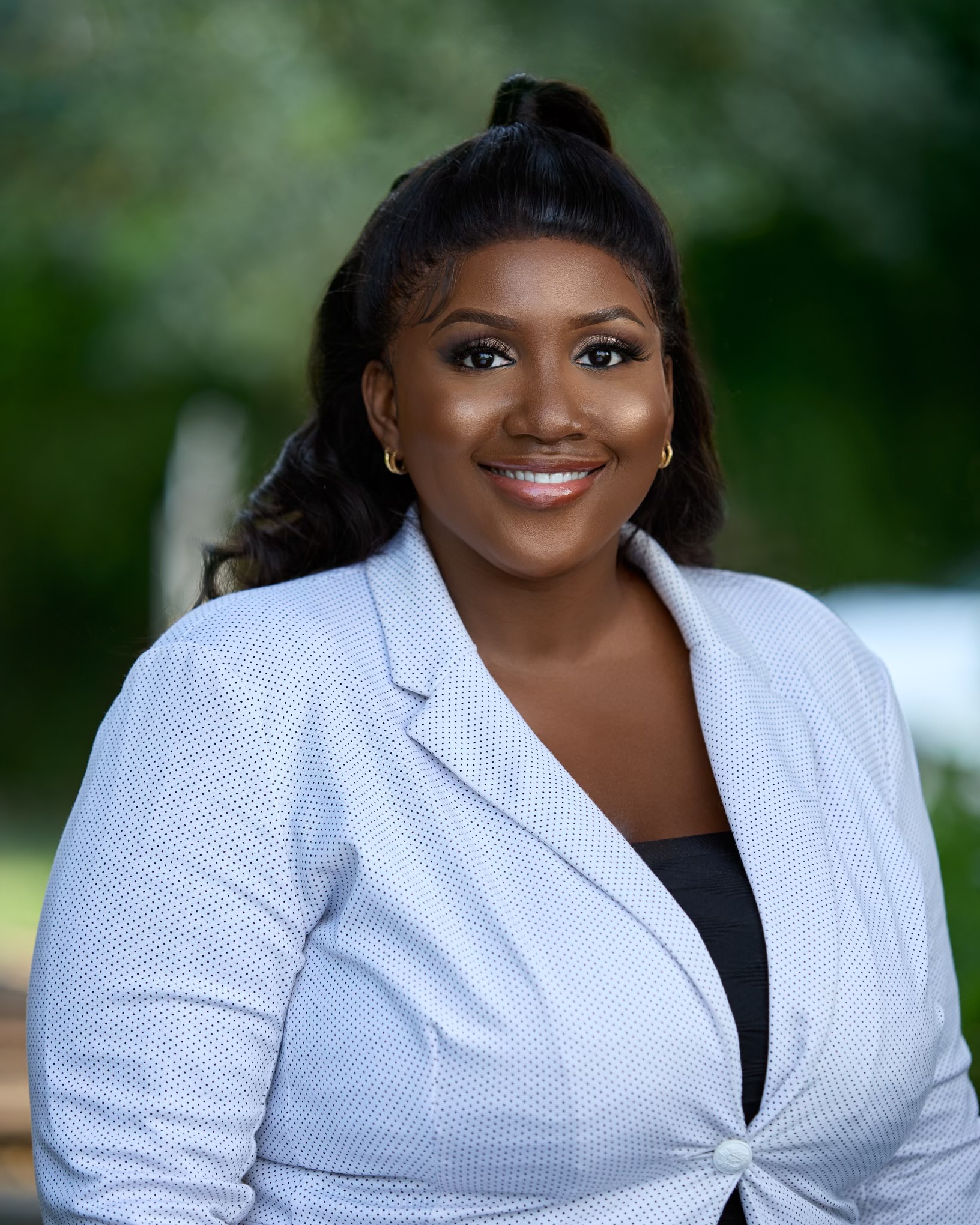
Sandra Adeniran
Principal Partner
Adebola Adeniran is the Founding Partner of Ardnas Legal Practitioners. She is a dynamic and forward-thinking lawyer with a passion for providing innovative legal solutions to businesses and individuals. Adebola combines deep legal expertise with a practical, business-oriented approach, ensuring that clients receive advice that is both strategic and actionable.